
Iran Reviews U.S. Peace Proposal As Pakistan Army Chief Asim Munir Heads To Tehran
Key Takeaways
- Iran is reviewing Washington's latest peace proposal for ending the Iran-U.S. conflict.
- Pakistan's army chief Asim Munir visits Tehran to mediate between Iran and the United States.
- Marco Rubio says Tehran talks could advance progress toward an Iran-U.S. settlement.
Rubio, Munir, and proposals
Iran said its government is reviewing the latest proposal from the U.S. for a potential deal, as President Donald Trump said he would wait "a couple of days" for an Iranian response to the latest American offer.
“Pakistani Interior Minister Mohsin Naqvi arrived in the Iranian capital Tehran on Wednesday to meet with his Iranian counterpart Eskandar Momeni, Iranian state broadcaster IRIB reported”
U.S. Secretary of State Marco Rubio told reporters on Thursday, "I believe the Pakistanis will be travelling to Tehran today," as Pakistan’s army chief Field Marshal Asim Munir was expected to arrive for talks and consultations with Iranian authorities.
The TRT World report said the visit comes after Trump warned negotiations to end the war were on the "borderline" between a deal and renewed strikes, and it described an Islamabad-mediated ceasefire on April 8 that halted the war launched weeks earlier by the U.S. and Israel.
Al Jazeera said Pakistani Interior Minister Mohsin Naqvi arrived in Tehran on Wednesday to meet with Iranian counterpart Eskandar Momeni, while the U.S. and Iran continued to exchange proposals for peace amid ongoing hostilities that had not fully stopped.
DW said Munir’s trip was expected to include "talks and consultations" in Tehran, and it tied the diplomatic push to Iran’s review of Washington’s latest peace position after Trump said he could wait a few days to "get the right answers."
Threats, assets, and talks
Iran’s chief negotiator Mohammad Bagher Ghalibaf accused Washington of seeking to restart the war and warned of a "forceful response" if Iran were to be attacked, while Iran’s foreign ministry spokesman Esmaeil Baqaei said Tehran was examining points received from Washington.
TRT World reported that Baqaei repeated Tehran’s demands for the release of its assets frozen abroad and an end to a U.S. naval blockade, and it said Trump told reporters that if the sides do not get the "right answers" it would "go very quickly."

Al Jazeera said Tehran is reviewing the latest U.S. peace proposal conveyed via Pakistan, and it quoted Baghaei saying on Wednesday that the Iranian text was being discussed in Tehran regarding an overarching framework.
The same Al Jazeera account said the submitted text "has narrowed the gaps to some extent," but added that further reductions require an end to the "temptation for war from Washington."
DW added that Rubio said it would be "unacceptable" for Iran to implement a toll system for use of the Strait of Hormuz, saying "It can't happen" and that it would make a diplomatic deal unfeasible.
Hormuz, executions, and risk
The negotiations’ sticking points included the Strait of Hormuz, where Al Jazeera said Iran restricted shipping through the narrow waterway linking the Gulf to the open ocean and required vessels to negotiate transit with the Islamic Revolutionary Guard Corps (IRGC).
“What you need to know - Pakistan's army chief Field Marshal Asim Munir is to visit Tehran as a mediator between Iran and the US - Tehran says it is reviewing Washington's latest peace position after US President Donald Trump said he could wait a few days to "get the right answers" - Iran has hanged two more men in a wave of executions amid the Middle East war Tired of missing our real-time updates”
DW said Rubio warned that a tolling system for Hormuz would be "completely illegal" and even "a threat to the world," while it also noted that before the February 28 war some 20% of the world’s oil and much of its gas passed freely through the strait.
Al Jazeera reported that the IRGC coordinated the transit of 26 vessels through the strait in the past 24 hours as talks between Washington and Tehran remained stalled.
DW also said Iran has hanged two more men in a wave of executions amid the Middle East war, placing the diplomatic effort alongside continued internal punishment.
CBS News tied the economic stakes to the Strait of Hormuz by saying oil prices were yo-yoing because of uncertainty about how long the war with Iran will keep the Strait of Hormuz shut, and it reported that Brent crude briefly got above $109 per barrel before falling 2.3% to settle at $102.58.
More on Iran
Hikmat Al-Hijri Demands Accountability, Rejects Negotiation Over July 2025 Truce Violations in Suwayda
11 sources compared
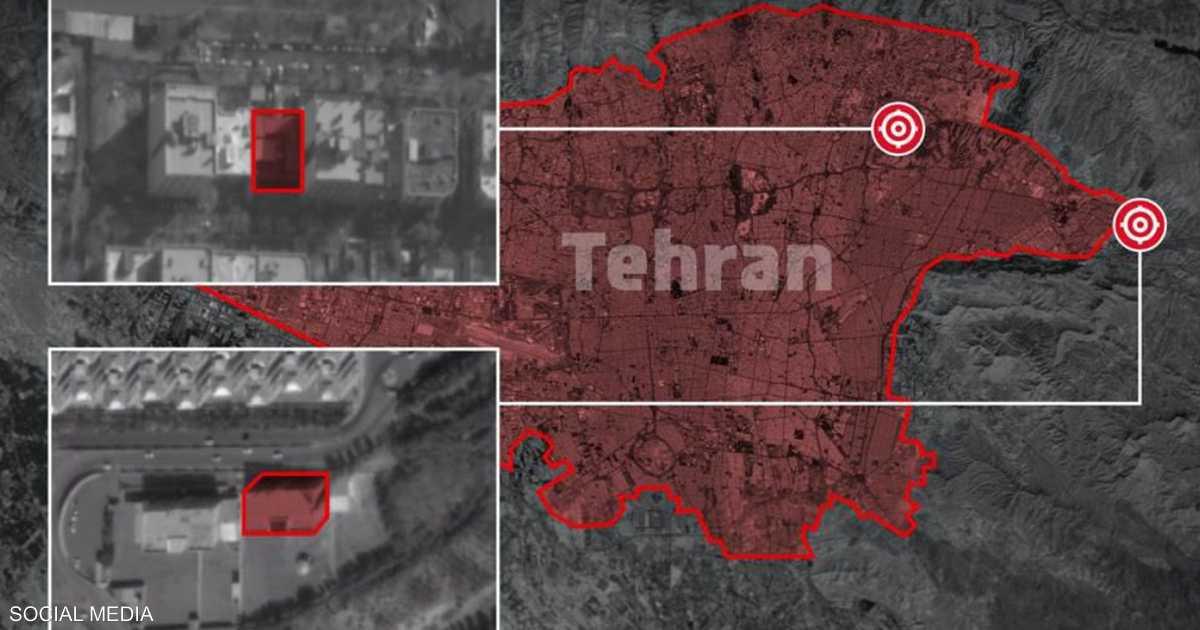
US Intelligence Says Iran Rebuilt Drone Production Faster Than Expected During April Ceasefire
12 sources compared
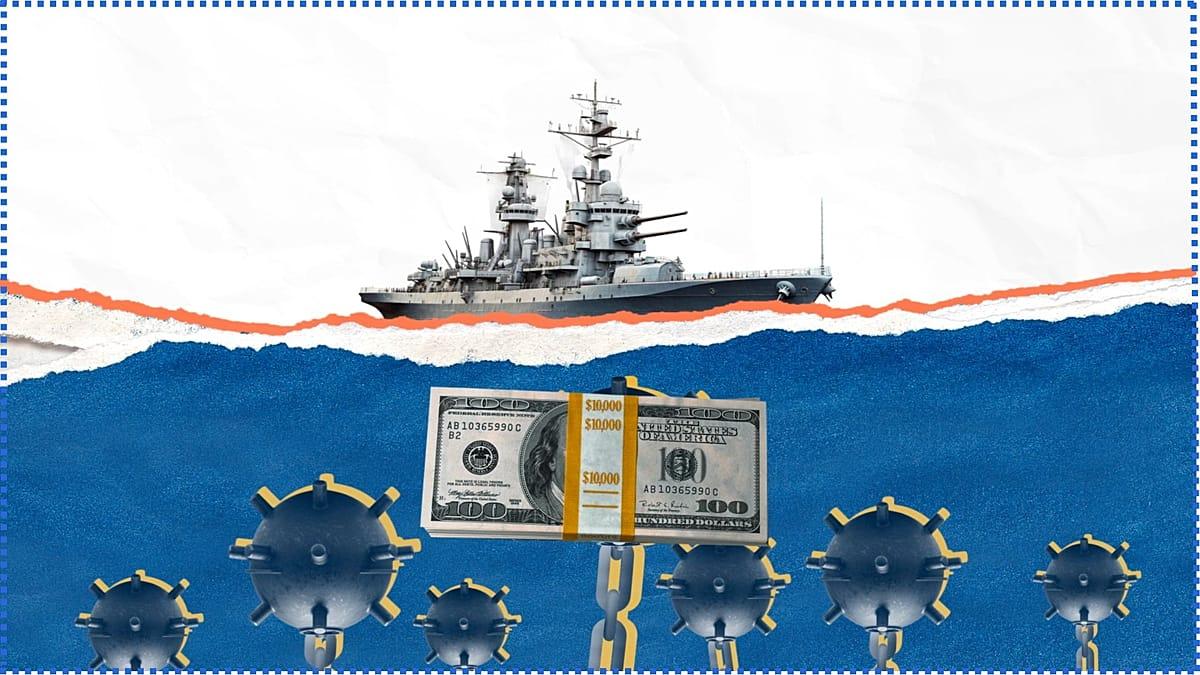
Iran Threatens Ships in Strait of Hormuz With Naval Mines and Suicide Drones
10 sources compared

Maria Zakharova Says Russia Will Help Iran And U.S. Implement Enriched Uranium Agreements
20 sources compared