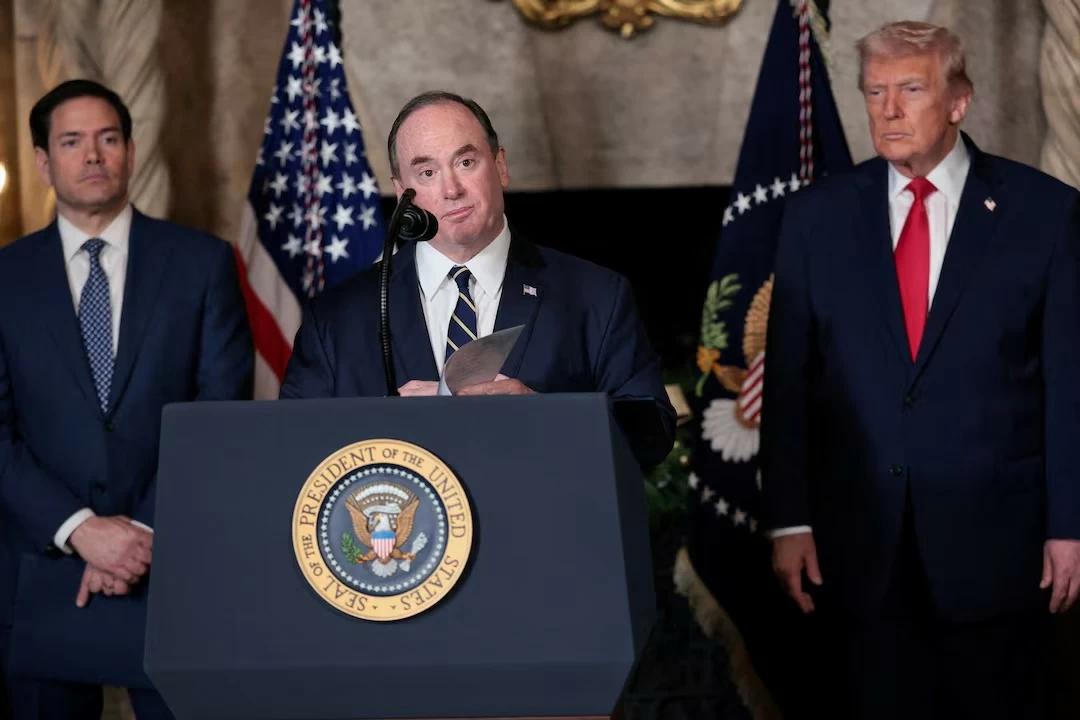
Iran Reviews U.S. Response Via Pakistan as Strait of Hormuz Transit Requires Permission
Key Takeaways
- Iran reviews the U.S. response to its peace proposal delivered via Pakistan.
- Pakistan-mediated diplomacy involves Iran and the United States aiming for a war-ending deal.
- Trump delays a planned strike, citing serious negotiations toward a peace agreement.
Deadlock and leverage
Iran and the United States remained locked in a standoff as Iran’s Ministry of Foreign Affairs reviewed the United States’s response received via mediator Pakistan to Tehran’s latest proposal to end the war, with Iran’s ISNA news agency saying Pakistan’s Army Chief Asim Munir was expected to travel to Tehran later on Thursday.
Iran’s President Masoud Pezeshkian said “all paths” to a diplomatic solution with the US “remain open from our side,” while warning that attempts to force Tehran into surrender through pressure or threats are “nothing but an illusion.”

At the same time, Iran’s newly established Persian Gulf Strait Authority announced the creation of a “supervision area” in the Strait of Hormuz, saying vessels will require permission to transit the strategic waterway and that “passage without permission will be considered illegal.”
Al Jazeera also reported that Iran’s Islamic Revolutionary Guard Corps (IRGC) Navy said it allowed more than 25 vessels, including oil tankers, to transit the Strait of Hormuz over the past 24 hours, adding that the ships passed after “coordination and security provided by the IRGC navy.”
Trump, Miller, and readiness
As negotiations remained deadlocked, White House Deputy Chief of Staff Stephen Miller warned Tehran it faced a choice between accepting a US-backed agreement or facing military consequences “the likes of which has not been seen in modern history,” according to Al Jazeera.
In parallel, Trump said Washington and Tehran were “right on the borderline” between reaching an agreement and resuming war, warning that failure to secure the “right answer” could lead to rapid escalation, and he said he would give diplomacy “a few days” more.

Al Jazeera said Iran’s parliament speaker and chief negotiator Mohammad Bagher Ghalibaf accused the US of trying to reignite the conflict and force Tehran into submission, saying “the enemy’s movements, both overt and clandestine, show that despite economic and political pressure.”
The same report said Israeli army chief Lieutenant General Eyal Zamir told commanders that the military remained on its highest level of readiness, stating, “At this moment, the [military] is on the highest level of alert and prepared for any development.”
Markets and shipping pressure
Financial markets and shipping concerns tracked the Iran-related escalation, with Reuters reporting via KITCO that Brent crude futures jumped 1.8% to $106.93 a barrel after a Reuters report said Iran’s Supreme Leader Ayatollah Mojtaba Khamenei ordered near-weapons-grade uranium not be sent abroad.
KITCO also said the yield on the benchmark U.S. 10-year Treasury note rose to 4.607%, and that investors parsed a fresh batch of corporate earnings as the renewed Iran tensions weighed on equities.
CNN Arabic reported that Pakistani mediators in Tehran continued intensive diplomatic efforts for a third day to defuse tensions, but said the main points of disagreement remained, including the United States’ need for an official statement from Iran that it will not possess nuclear weapons.
CNN Arabic further reported that Trump announced via his Truth Social platform that the United States will continue its blockade of the Strait, and that Iranian officials said the American blockade constitutes a violation of the ceasefire and threatened to revoke the decision to open the strait.
More on Iran
Hikmat Al-Hijri Demands Accountability, Rejects Negotiation Over July 2025 Truce Violations in Suwayda
11 sources compared
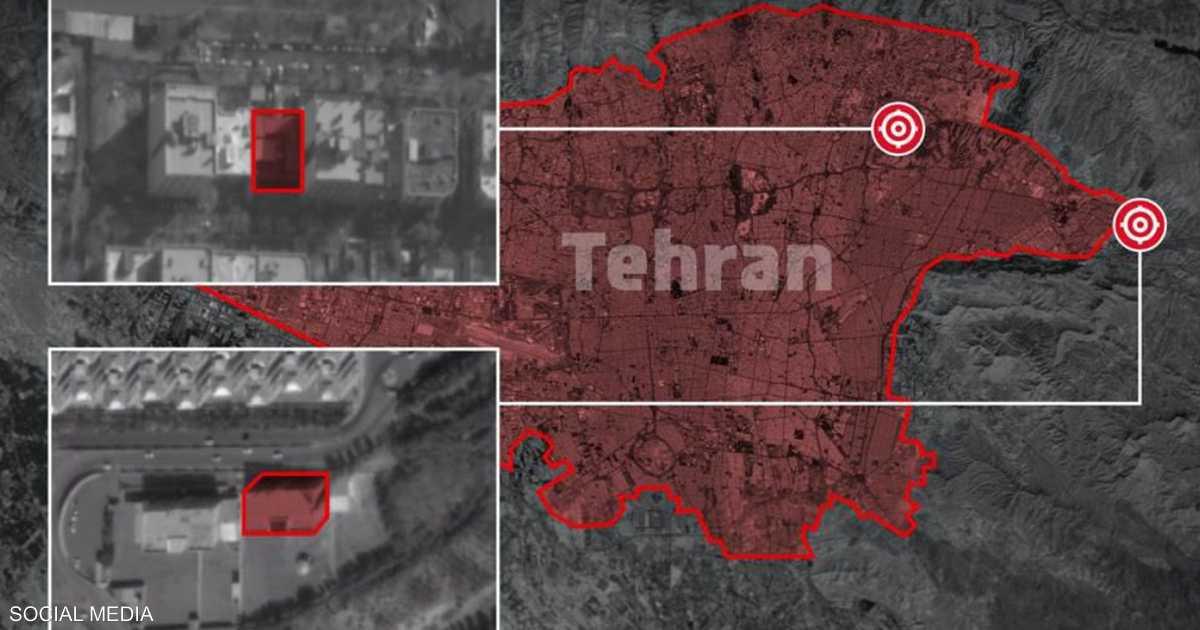
US Intelligence Says Iran Rebuilt Drone Production Faster Than Expected During April Ceasefire
12 sources compared
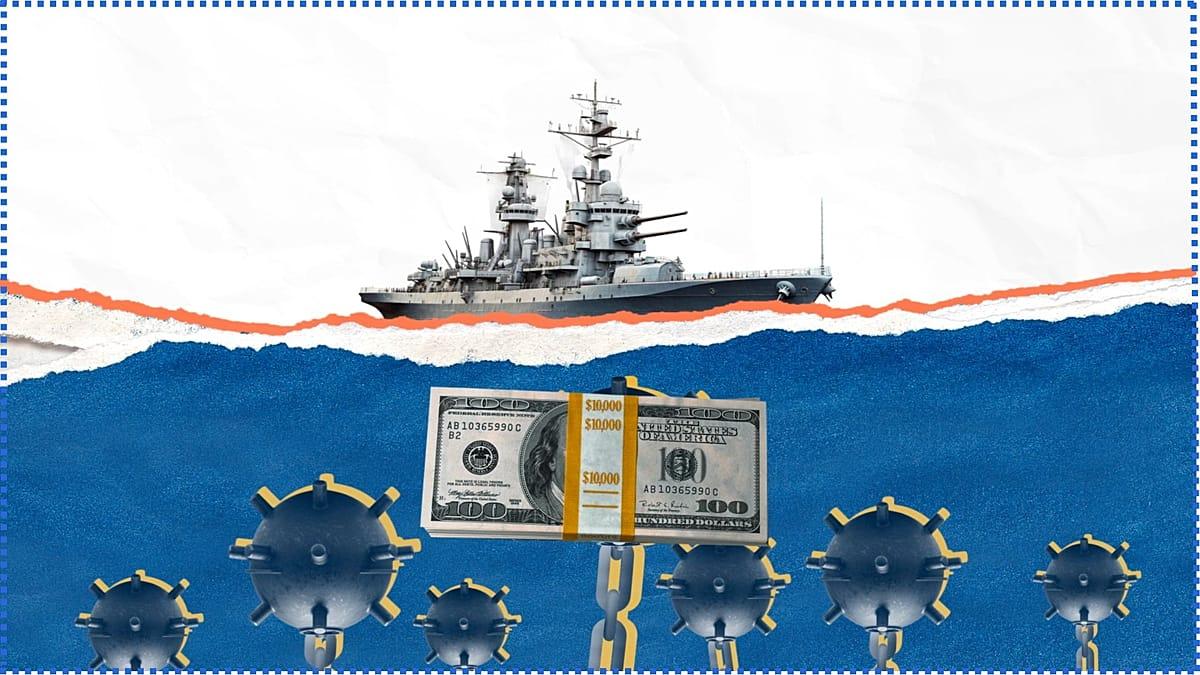
Iran Threatens Ships in Strait of Hormuz With Naval Mines and Suicide Drones
10 sources compared
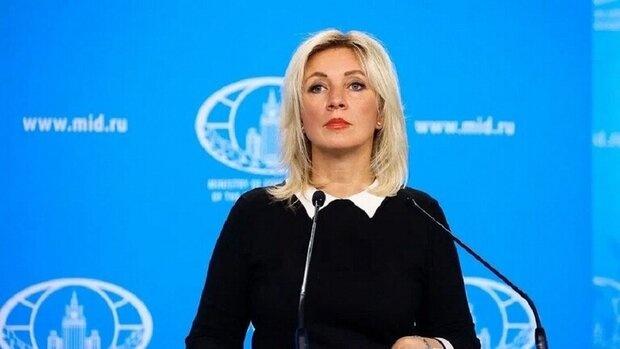
Maria Zakharova Says Russia Will Help Iran And U.S. Implement Enriched Uranium Agreements
20 sources compared