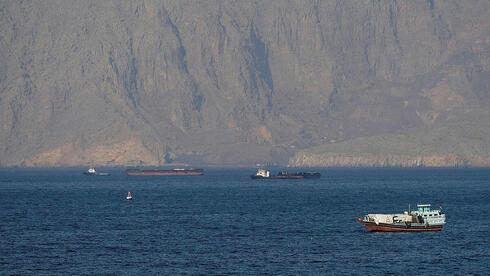
Iran Says It Collects Fees For Navigational Services, Not Transit Tolls In Strait Of Hormuz
Key Takeaways
- Iran says charges are navigational services, not transit tolls, for ships transiting Hormuz.
- Iran and Oman are negotiating a permanent payment system for ships crossing Hormuz.
- Media reports conflict on tolls versus navigational fees; Iran denies imposing transit tolls.
Fees, not tolls
Iran’s Foreign Ministry spokesperson Esmaeil Baqaei said Tehran is not imposing transit tolls on ships passing through the Strait of Hormuz, and instead is collecting fees for “navigational services.”
In a weekly press briefing, Baqaei said, “The services that are provided -- navigational services in addition to the measures necessary to protect the environment of the Strait of Hormuz, the Persian Gulf and the Sea of Oman --require the collectionof certain fees,” while adding that Iran was “not seeking to collect tolls.”

The dispute follows reports that Iran had begun asking some commercial vessels to pay charges while crossing the strategic waterway, and Reuters said Iran increased military monitoring and tightened shipping controls in recent months.
The Marine Insight account also said commercial vessels were required to coordinate movements with Iranian authorities while passing through the strait, and that the Strait of Hormuz carries nearly one-fifth of global oil and liquefied natural gas shipments.
Oman protocol and security
Baqaei said Iran and Oman are working on a mechanism to ensure the safe passage of ships through the Strait of Hormuz, describing the plan as a “responsible step” aimed at improving maritime safety in the region.
He said, “We are not seeking to collect tolls; the actions of Iran and Oman to develop a protocol for the safe passage of ships are a responsible step,” and added that some fees linked to navigation services, maritime safety and environmental protection were natural.
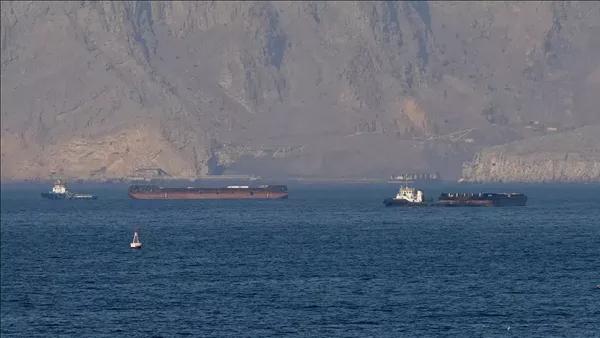
The Tehran Times similarly framed the issue as terminology, with Baqaei saying, “We are not seeking to impose transit tariffs,” while stressing that technical services related to maritime safety, environmental protection, and navigation management involve operational costs.
Tehran Times also reported Baqaei dismissed reports about possible European involvement and argued that instability in the strategic waterway was driven by “unlawful actions” by the United States and the Israeli regime during and after their military aggression against Iran.
Legal fight and global stakes
The Jerusalem Post quoted security analyst Roger Macmillan saying Iran’s “repackaged” charges still violate international law, arguing that “Whatever word appears on the invoice, the substance is the same.”
Macmillan told the outlet that under the United Nations Convention on the Law of the Sea (UNCLOS), the Strait of Hormuz carries the right of transit passage and that coastal states cannot charge for it, suspend it, or impede it.
The same report said military historian and intelligence expert Dr. Lynette Nusbacher argued that if Iran charges tolls it could face “years of arbitration and litigation in maritime courts,” but that if it is a fee for getting safely past obstacles, arbitration and litigation might be quicker.
Marine Insight added that before tensions increased earlier this year, around 125 to 140 ships passed through the strait daily, and it said vessel traffic has fallen sharply in recent months, raising concerns that any disruption or additional shipping costs could affect global energy markets, fuel prices and international supply chains.
More on Iran

Iranians Reconnect After 88-Day Internet Shutdown as Masoud Pezeshkian Orders Access Restored
17 sources compared

CSIS Says U.S. Needs At Least Three Years To Rebuild Tomahawk Stockpiles After Iran War
16 sources compared

IRGC Aerospace Launches 65th Wave Of Va’d-e Sadegh 4, Striking Haifa And Ashdod Refineries
11 sources compared

Iran Accuses U.S. of Ceasefire Violation After Self-Defense Strikes
23 sources compared