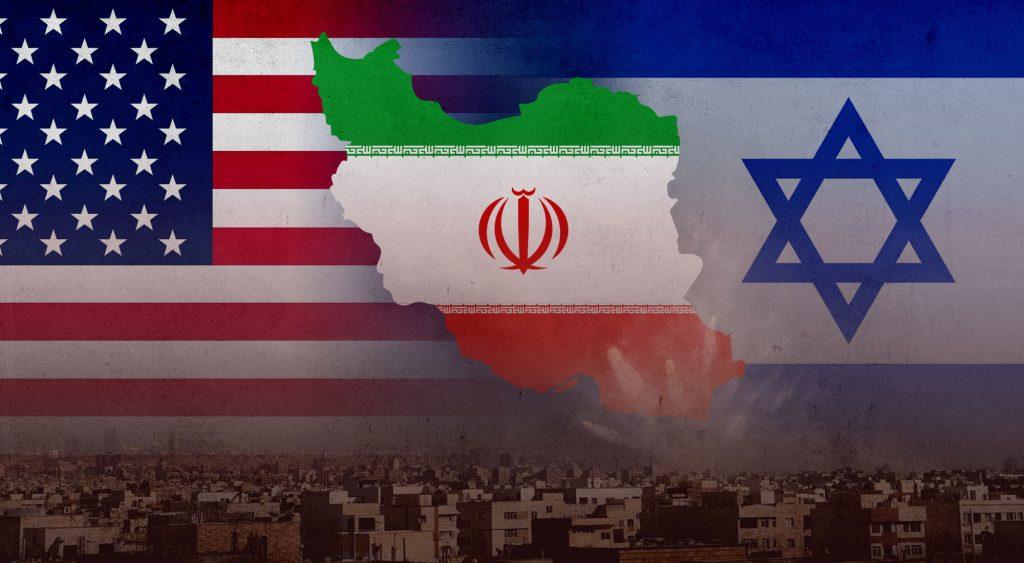
Iran Seized Two Ships In The Strait Of Hormuz After US Called Off Attacks
Key Takeaways
- Iran seized two vessels in the Strait of Hormuz after the US called off attacks.
- The seizure follows escalating Gulf tensions and Tehran tightening control over the Strait.
- Iranian Revolutionary Guard said the seized vessels violated maritime security by operating without authorization.
Hormuz blockade escalates
Iran strengthened its control over the Strait of Hormuz after the United States called off renewed military attacks, tightening its grip on a waterway that multiple outlets described as effectively disrupted.
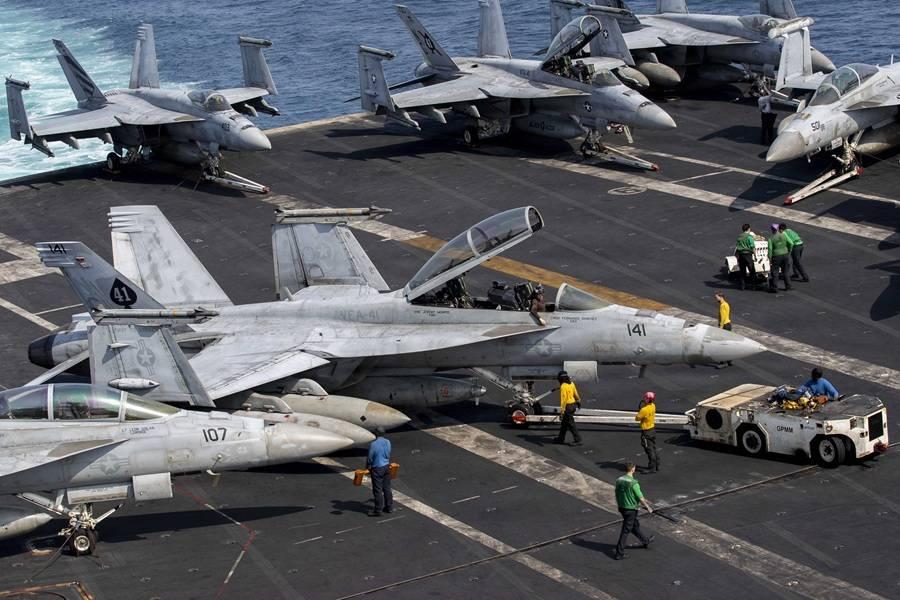
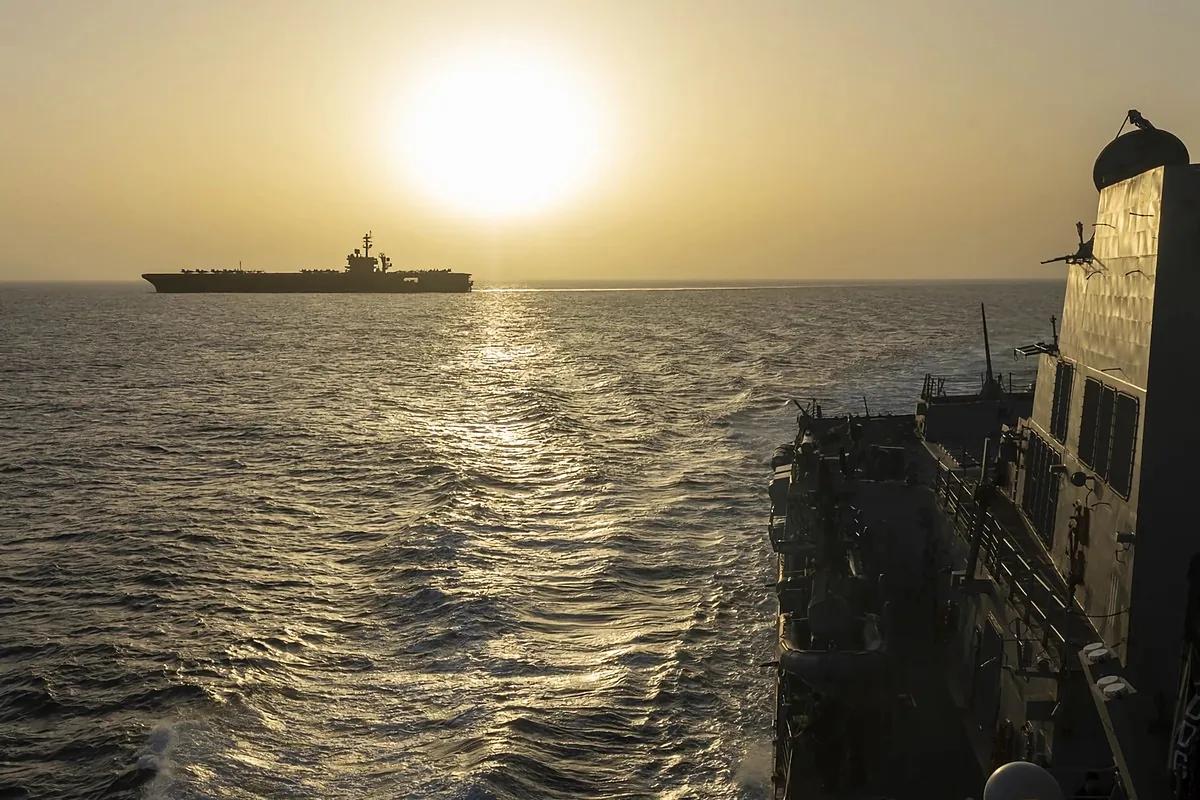
El Mundo reported that Iran seized two ships in the Strait of Hormuz while tightening control over the strategic sea lane, and it said the U.S. ordered 31 ships to turn back or return to port as part of its own "blockade against Iran."
The Daily Times similarly said Iran’s Revolutionary Guard seized two ships and escorted them to Iranian ports, while noting that a third ship was reportedly fired upon but continued its journey without damage.
The South China Morning Post described the U.S. intercepting Iranian tankers near India, Malaysia and Sri Lanka as Washington and Tehran intensified their stand-off over the waterway.
International Business Times said Iran attacked at least three ships going through the Strait of Hormuz on Wednesday, with the revolutionary guard seizing "two violating vessels" and firing on a third vessel that was "stranded on Iranian shores."
Across the reporting, the closure of the strait was tied to energy disruption, with the South China Morning Post saying the closure had disrupted supply of a fifth of the world’s oil and gas supplies and caused a global energy crisis.
Ceasefire extension and uncertainty
The Hormuz standoff unfolded alongside a ceasefire that sources said was extended and remained unclear, with competing signals from Washington and Tehran.
El Mundo said the status of a ceasefire in place for two weeks, which was due to expire at the start of this week, remained unclear, and it described a policy reversal in which Trump announced the United States would extend the ceasefire until after peace talks have discussed an Iranian proposal to end the war, which has lasted two months.
El Mundo also said Iranian officials did not indicate that they had accepted any extension of the truce and criticized Trump’s decision to maintain the U.S. Navy blockade of Iranian maritime trade, which Tehran regards as an act of war.
International Business Times reported that President Donald Trump extended the ceasefire to give Iranian factions the chance to unify positions and decide whether to attend a new round of talks in Pakistan, and it quoted a U.S. source briefed on the matter telling Axios that "Trump is willing to give another three to five days of ceasefire to allow the Iranians to get their sh-t together."
It also said Iranian officials acknowledged the extension but Foreign Ministry spokesperson Esmail Baghaei said the country has not made a decision on whether to continue negotiations, quoting him: "Diplomacy is a tool for securing national interests and security, and whenever we reach the conclusion that the necessary and reasonable conditions exist to use this tool to achieve national interests and to consolidate the achievements of the Iranian nation in thwarting the enemies' malicious objectives, we will take action."
Daily Times similarly said Iranian leaders said a ceasefire would require lifting restrictions on the Strait of Hormuz, and it added that Iranian officials did not confirm any agreement to extend the truce.
Ships, interceptions, and routes
The reporting detailed specific ship actions and geographic pressure points as the U.S. and Iran exchanged moves around the Strait of Hormuz.
South China Morning Post said the U.S. ordered Iranian tankers to move away from their positions as Washington and Tehran intensified their stand-off over the waterway, and it described a closure that disrupted supply of a fifth of the world’s oil and gas supplies.
It said the U.S. has seized an Iranian cargo ship and an oil tanker in recent days, and Iran said it had captured two container ships seeking to exit the Gulf via the Strait of Hormuz on Wednesday after firing on them and another vessel, its first seizures since the war began.
The outlet also said the U.S. diverted at least three more Iranian-flagged oil tankers in recent days, with two US and Indian shipping sources and two separate Western maritime security sources saying so on Wednesday.
International Business Times named vessels, saying the revolutionary guard seized "two violating vessels," called MSC Francesca and Epaminondas, and that the third one, the Euphoria, was fired on and is now "stranded on Iranian shores."
El Mundo said on Saturday, April 18, Iran announced the reopening of the Strait of Hormuz, but it closed again hours later because Washington continued to block Iranian ports, and it said after 26 vessels loaded with raw materials passed through the strait on Saturday, crossings fell to their lowest level.
Markets, famine risk, and officials
The sources linked the Hormuz disruption to economic and humanitarian risks, while also reporting diplomatic and political shifts.
El Mundo said the Hormuz bottleneck threatens the next global harvest and that about 45 million people could fall into famine if the conflict drags on, and it reported that the UN development chief, Alexander De Croo, said on Thursday that more than 30 million people will fall back into poverty due to the effects of Iran's war.
It said the fertilizer shortage—exacerbated by the blocking of cargo ships in the Strait of Hormuz—has already reduced agricultural productivity, and it added that this will probably affect crop yields later this year, also listing other consequences such as energy shortages and the drop in remittances.
Daily Times said the crisis heightened global concerns over energy security and maritime stability and reported that Brent crude stayed above $100 per barrel amid supply fears, while it said the crisis triggered political and military shifts in Washington including the removal of US Navy Secretary John Phelan.
El Mundo also reported Croatia’s confirmation that two of its nationals are aboard the MSC Francesca held by Iran’s Revolutionary Guards, and it quoted Croatia’s Foreign Ministry saying it could not provide further details due to "the sensitivity of the case and to protect Croatian citizens."
El Mundo reported that Reza Pahlavi called for a "humanitarian intervention" and said "It's a golden opportunity; the regime has never been as fragile as now."
European and U.S. framing differences
The outlets diverged in how they framed the same core events—seizures, interceptions, and the ceasefire—while still reporting overlapping details about Hormuz disruption.
“Skip to primary navigation Skip to main content Skip to primary sidebar Skip to footer Trending: Kashmir Elections”
El Mundo emphasized U.S. and Iranian control moves and the ceasefire extension, writing that Trump indefinitely suspended the attacks and then extended the ceasefire until after peace talks discussed an Iranian proposal, while also stressing that Iranian officials criticized the U.S. blockade as an act of war.
Daily Times focused on Iran’s tightening control after the U.S. called off renewed military attacks and described Iran’s Revolutionary Guard seizing two ships and escorting them to Iranian ports, while it also highlighted that Iranian leaders said a ceasefire would require lifting restrictions on the Strait of Hormuz.
South China Morning Post foregrounded the U.S. intercepting tankers near India, Malaysia and Sri Lanka and tied the closure directly to a global energy crisis, saying the closure disrupted supply of a fifth of the world’s oil and gas supplies.
International Business Times centered on the claim that Iran attacked at least three ships on Wednesday and named MSC Francesca, Epaminondas and Euphoria, while also quoting a U.S. source telling Axios that Trump was willing to give "another three to five days of ceasefire" and quoting Trump’s social media claim that "Iran doesn't want the Strait of Hormuz closed, they want it open so they can make $500 Million Dollars a day".
El Mundo, by contrast, included a broader humanitarian and political frame, quoting UN development chief Alexander De Croo on poverty and famine risk and quoting Reza Pahlavi’s argument that the ceasefire could mislead those considering deserting the state apparatus.
More on Iran
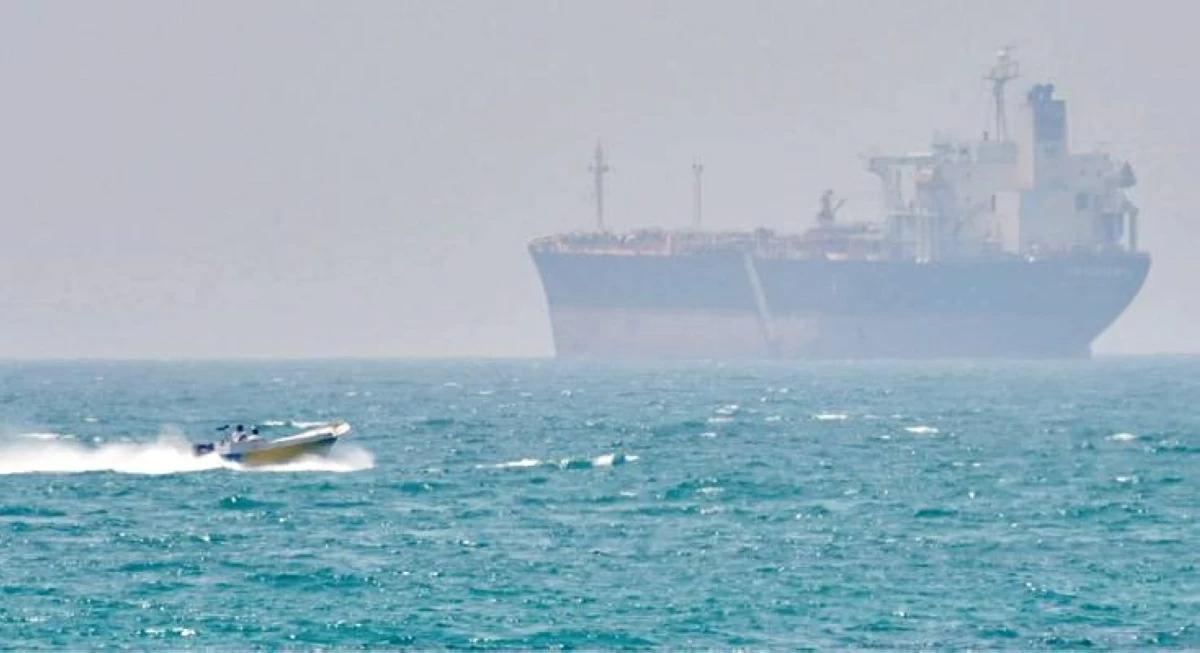
Iran Begins Collecting Strait of Hormuz Transit Fees, Deposits First Revenue in Central Bank
16 sources compared
Donald Trump Says No Timetable for War as U.S. Keeps Naval Blockade on Tehran
27 sources compared
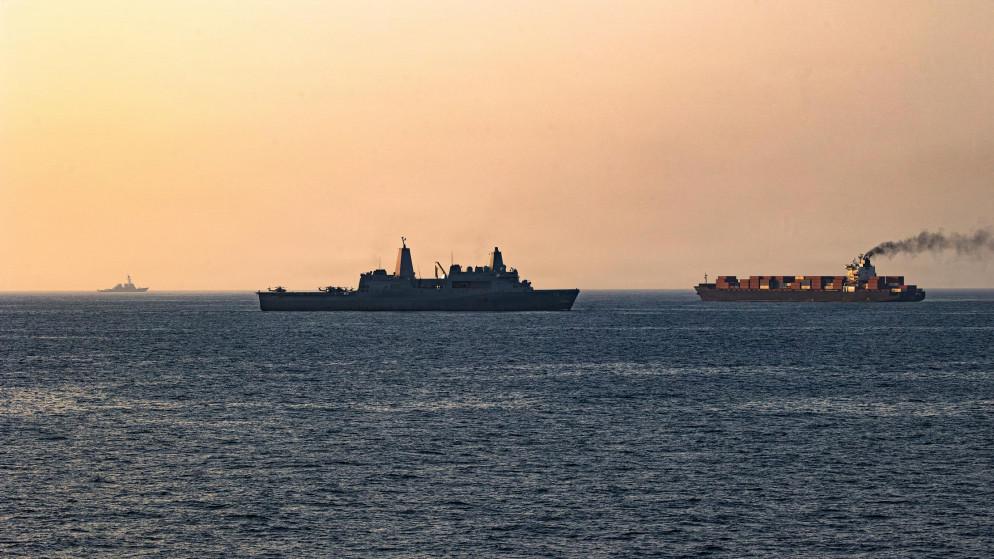
Iran Fires on Three Ships and Seizes Two in Strait of Hormuz, Trump Extends Ceasefire
28 sources compared

Trump Extends Iran Ceasefire While US Keeps Naval Blockade in Strait of Hormuz
18 sources compared