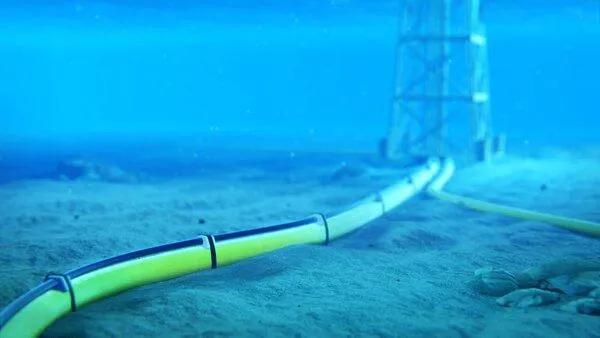
Iran Signals It Will Impose Fees on Undersea Internet Cables Through Strait of Hormuz
Key Takeaways
- Iran plans transit fees for subsea internet cables through the Strait of Hormuz.
- Move follows wartime Hormuz blockade, signaling Tehran's intent to control digital infrastructure.
- Tech firms warn the plan could disrupt global data traffic and cloud services.
Internet toll threat
Iran is signaling it could charge fees for undersea internet cables passing through the Strait of Hormuz, after what CNN described as a successful wartime blockade of the strait.
“Emboldened by its successful wartime blockade of the Strait of Hormuz, Iran is turning to one of the hidden arteries in the global economy: subsea cables beneath the waterway that carry vast internet and financial traffic between Europe, Asia and the Persian Gulf”
Iranian military spokesperson Ebrahim Zolfaghari declared on X, “We will impose fees on internet cables,” as Iranian Revolutionary Guards-linked media said companies including Google, Microsoft, Meta, and Amazon would have to comply with Iranian law.

The reporting also says Tehran’s plan would require submarine cable companies to pay licensing fees for cable passage, with repair and maintenance rights given exclusively to Iranian firms.
CNN reported that state-linked media have hinted that traffic could be disrupted if firms do not pay, while it remained unclear how Iran could compel compliance given U.S. sanctions that bar payments to Iran.
TeleGeography research director Alan Mauldin told CNN that two cables—Falcon and Gulf Bridge International (GBI)—pass through Iranian territorial waters, even as most operators cluster cables along the Omani side.
Transit authority and tariffs
Alongside the cable-fee threats, Iran has launched a formal body to manage and charge ships for transit through the Strait of Hormuz, with the Supreme National Security Council announcing an official X account for the Persian Gulf Strait Authority.
Euronews reported that vessels wanting to transit must apply via the PGSA’s official email address, submit ownership details, insurance, crew manifests, cargo declarations and intended routing, and receive a transit permit only after approval and a fee is paid.
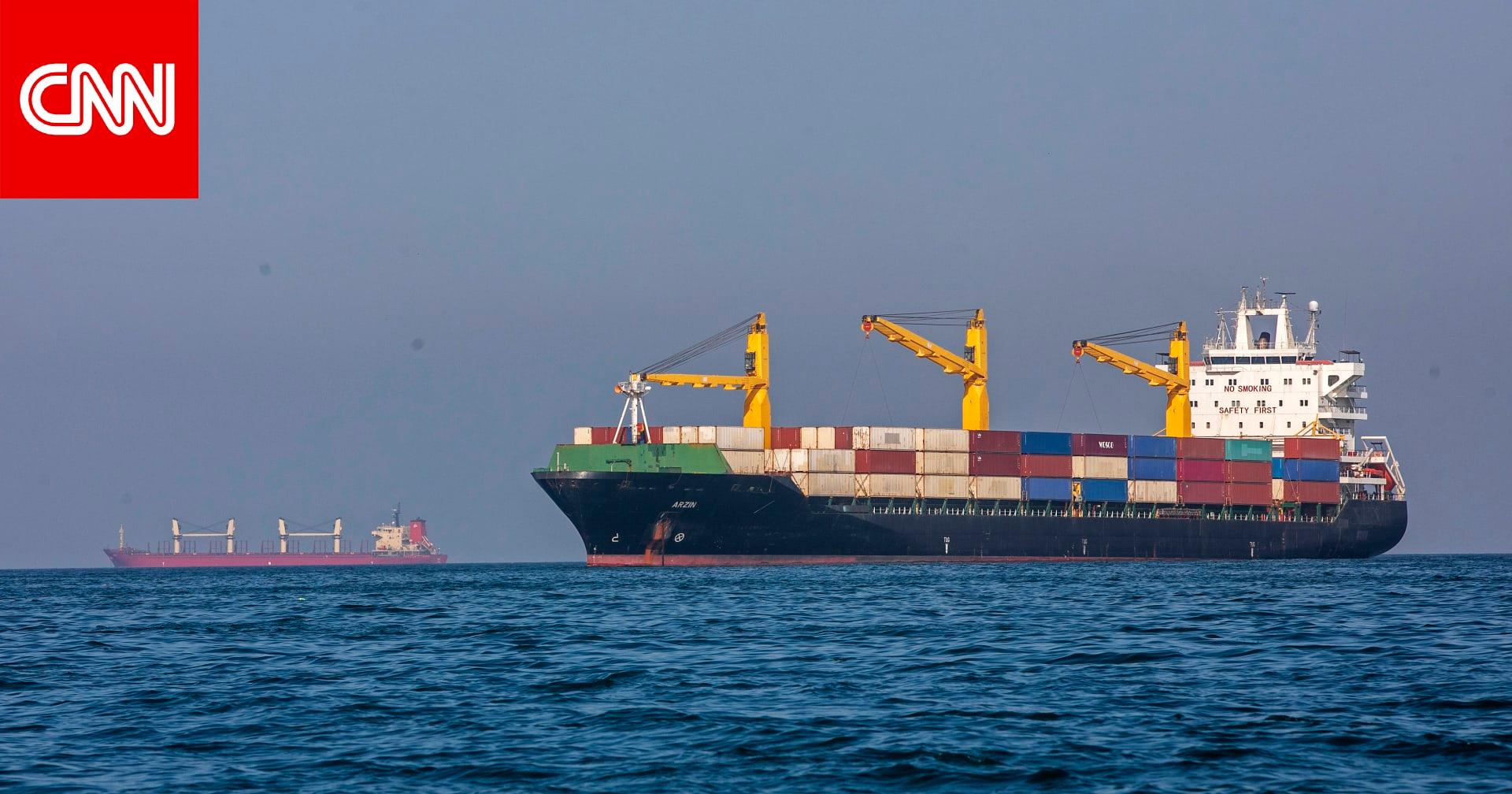
Euronews also said reports indicate some vessels have already paid up to $2 million (€1.7m) per transit, with payment made in Chinese yuan, while no official tariff has been published.
Ebrahim Azizi, chairman of Iran’s parliamentary National Security and Foreign Policy Committee, said in a televised interview that Tehran had prepared a mechanism to manage Hormuz traffic through a designated maritime route and that further details would be announced shortly.
The same Euronews report said the PGSA functions as an administrative interface with the IRGC Navy, which physically controls transits through the waterway, and it noted that the IRGC is designated a foreign terrorist organisation by the US and the EU among others.
Risks to finance and connectivity
Multiple outlets warn that targeting subsea cables could trigger cascading disruption for global finance and communications, even if the cables carry a relatively small share of worldwide bandwidth.
“After closure and levies on Strait of Hormuz, Iran is reportedly considering charging tech companies for using subsea internet cables lying under the strait After closure and levies on Strait of Hormuz, Iran is reportedly considering charging tech companies for using subsea internet cables lying under the strait”
The American Bazaar reported that targeting subsea cables would impact not just internet speeds but also systems like banks, military communications, AI cloud infrastructure, gaming and streaming services, while it cited TeleGeography’s Alan Mauldin on cables passing through Iranian waters.
CNN said an attack on the cables would affect aspects beyond internet speeds, threatening banking systems, military communications, cloud infrastructure for AI, remote work, online gaming, and livestreaming services.
In the same CNN reporting, Dina Esfandiary of Bloomberg Economics said Iran’s threats are part of a strategy “to demonstrate its leverage over the Strait of Hormuz and ensure the survival of the regime,” and she added, “It aims to impose such a hefty cost on the global economy that no-one will dare attack Iran again.”
Euronews further framed the stakes by noting the strait carried roughly one-fifth of the world’s seaborne oil and liquefied natural gas before Iran effectively closed it to commercial shipping when the war began on 28 February.
More on Iran
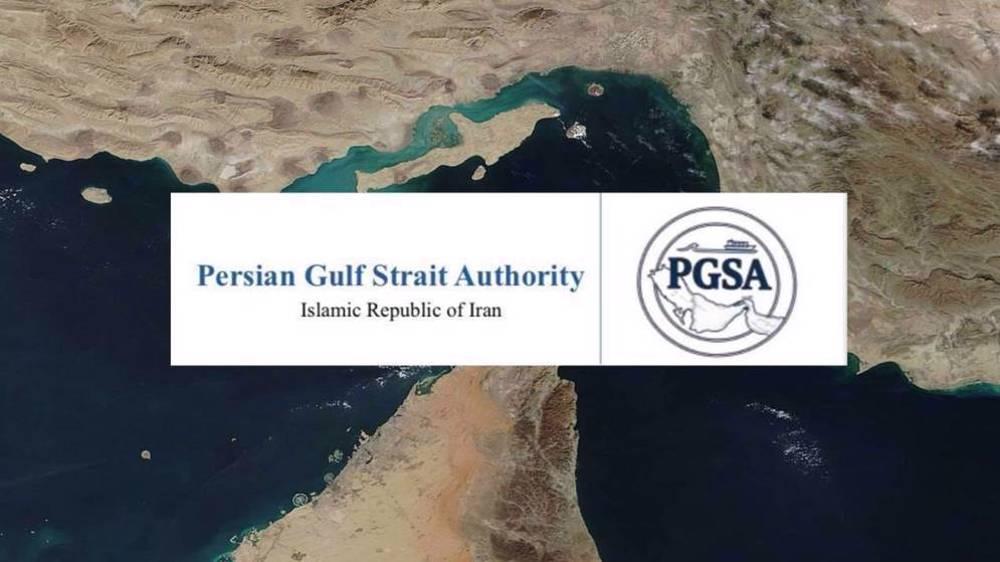
Iran’s Persian Gulf Strait Authority Launches X Account With Real-Time Hormuz Updates
10 sources compared
Trump Cancels Planned Attack on Iran After Emir of Qatar, Saudi Crown Prince Request
15 sources compared

Trump Calls Off Tuesday Iran Attack After Qatar, Saudi Arabia, UAE Leaders Ask Him To Hold Off
40 sources compared
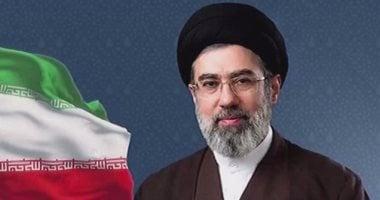
Iran Tightens Strait of Hormuz Control as Mohsen Rezaei Warns Gulf of Oman Graveyard for U.S. Forces
11 sources compared