Iran · 18 May, 2026 · 3 min read
Iran Tightens Strait of Hormuz Control as Mohsen Rezaei Warns Gulf of Oman Graveyard for U.S. Forces
Iran tightens Strait of Hormuz control amid US-Iran tensions. Mohsen Rezaei warns Gulf of Oman could become graveyard for U.S. forces.
Probability of diplomacy vs renewed escalation.
10 of 11 outlets skipped it: netanyahu alleged UAE visit strains Israel-UAE trust..
Al Jazeera was read line by line by the Watchdog: 2.8. See the score →
11outlets compared
Same story, two versions
tap a side to read it in full
Crypto Briefing
“likelihood of a US-Iran diplomatic meeting by June 30 appears to be decreasing”Read the original ↗
New York Post
“on the brink of restarting ‘full-throttle combat operations’ against Iran”Read the original ↗
They diverge on whether markets expect talks or military restart.
Hormuz pressure escalates
Iran tightened control over the Strait of Hormuz amid US-Iran diplomatic tensions, as the “Next US-Iran Diplomatic Meeting” market was priced at 47.8% YES while the “Israel-Iran Permanent Peace Deal” market fell to 12% YES, according to Crypto Briefing. CIn parallel, Mohsen Rezaei, described by Kurdistan24 as a senior Iranian military adviser and former commander of the Islamic Revolutionary Guard Corps (IRGC), warned late Sunday that the Gulf of Oman could become a “graveyard” for U.S. forces if Washington’s naval pressure on Iran continues. Kurdistan24 quoted Rezaei saying, “A naval blockade means war, and we consider confronting it our legitimate right,” and added that he said Iran’s patience “has limits.”
Al Jazeera reported that Pakistan’s Interior Minister Mohsin Naqvi arrived in Tehran on Saturday for a two-day visit, meeting President Masoud Pezeshkian, Interior Minister Eskandar Momeni and Parliament Speaker Mohammad Bagher Ghalibaf as Islamabad tried to keep channels open between the United States and Iran. Al Jazeera also tied the diplomatic effort to the April 8 ceasefire, saying Washington had growing signals it was prepared to restart attacks that had been on pause since the ceasefire in the US-Israel war on Iran.

Trump threats and Iranian replies
As talks continued through Pakistani mediators, Al Jazeera reported that U.S. President Donald Trump issued a warning on Truth Social: “For Iran, the Clock is Ticking, and they better get moving, FAST, or there won’t be anything left of them. TIME IS OF THE ESSENCE!”
Al Jazeera said Iran’s Foreign Ministry spokesman Esmaeil Baghaei responded that Washington had sent “a set of revised points and considerations” through Pakistani mediators, and Baghaei told reporters, “The process is continuing through Pakistan.”
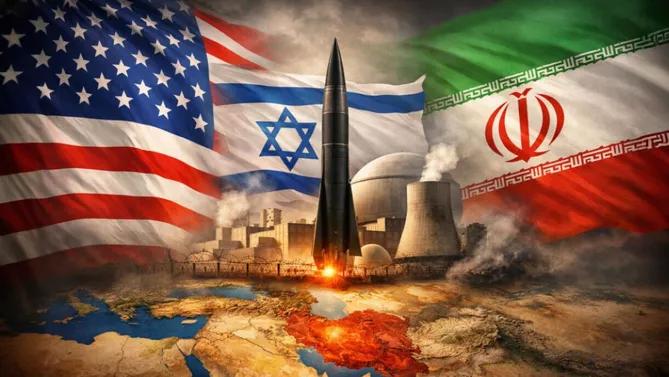
In a separate warning carried by New York Post, retired top general Jack Keane said the U.S. was on the brink of restarting “full-throttle combat operations” against Iran and argued it would be a combined operation with the United States and Israel.N
Keane also claimed that joint American-Israeli airstrikes that began Feb. 28 left only 30% of the allies’ intended targets remaining, and he said the US and Israel would wipe out those targets next.
Kurdistan24 reported that Rezaei also criticized the United Arab Emirates, accusing Abu Dhabi of making “a very big mistake” by supporting Israeli policies in the region and saying “The UAE’s behavior amounts to approval of Israel’s plan to reshape the map of West Asia.”
Negotiations, sequencing, and risks
Al Jazeera said Tehran’s version of events differed from Washington’s, with Baghaei saying Iran had reviewed revised points and responded through the same channel while also describing Iran’s submission to Pakistan as including a 14-point proposal. Al Jazeera further reported that on April 28 Iran submitted a 14-point counterproposal calling for a permanent end to hostilities within 30 days, a US withdrawal from areas near its borders, the lifting of a US naval blockade, the release of frozen assets, war reparations, and a new mechanism governing the Strait of Hormuz. Al Jazeera said Washington responded early May with demands including a 20-year moratorium on uranium enrichment, the transfer abroad of Iran’s stockpile of highly enriched uranium estimated at roughly 400kg (882 pounds) enriched to 60 percent, and the dismantling of nuclear facilities at Natanz, Isfahan and Fordow.
Kurdistan24 added that Rezaei said the Strait of Hormuz was intended for commercial navigation rather than military confrontation, and he warned that Iran would break what he described as a U.S. maritime blockade while Iranian armed forces prepared “the necessary military measures.” In the same Al Jazeera report, Javad Heiran-Nia, an international relations analyst based in Tehran, told Al Jazeera that the dispute over sequencing was fundamental rather than tactical, with Iran wanting the Hormuz issue resolved first to prevent Washington from using the naval blockade as leverage during future nuclear negotiations.