
Iran State TV Says Draft U.S. Deal Would Reopen Strait of Hormuz, End Naval Blockade
Key Takeaways
- Draft MoU would reopen Hormuz and restore shipping to pre-war levels within a month.
- United States would withdraw forces from Iran's vicinity and lift its naval blockade.
- Iranian state TV said Tehran obtained an initial unofficial framework for an MoU.
Draft MoU for Hormuz
Iran’s state TV said on Wednesday, May 27, 2026, that Tehran had obtained an initial, unofficial draft memorandum of understanding with the United States that could include reopening the Strait of Hormuz traffic.
“DUBAI, May 27 (Reuters) - Iran's state TV said Tehran had obtained a draft of an initial unofficial framework for a memorandum of understanding with the United States”
The broadcaster’s proposal said Iran would restore commercial traffic through the strait to pre-war levels within one month, while the U.S. would withdraw military forces from areas near Iranian territory and suspend the naval blockade imposed on the region.
Iran’s state TV also reported that military vessels would not be included in the draft and that, if a final agreement is reached within 60 days, the understanding would be approved as a binding resolution by the United Nations Security Council.
The report said the text was not finalized and that Tehran would take no action without “tangible verification,” with Iran managing ship traffic through the strait in cooperation with Oman.
White House rejects
The White House dismissed the Iranian report in Iranian media as “a complete fabrication,” and the Jerusalem Post said the White House wrote, “Nobody should believe what Iranian state media is putting out.”
Newsweek reported that the White House responded to the draft by rejecting it, while Iranian state TV described the so-called Islamabad memorandum framework as not yet finalized and said Tehran would take no steps without tangible verification.
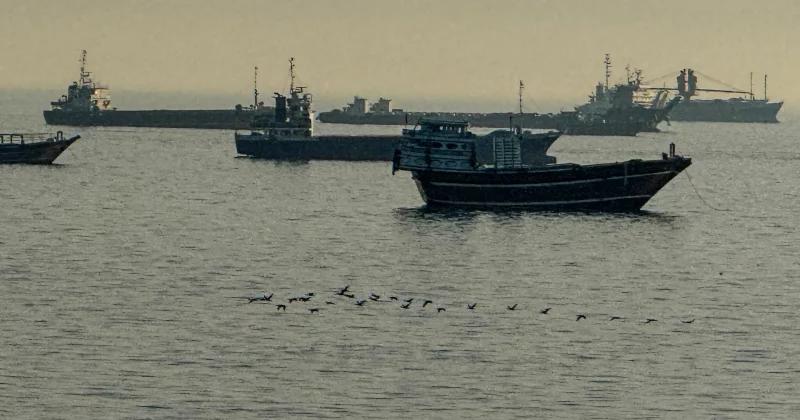
In the draft as described by Iranian state TV, the U.S. would lift its naval blockade and withdraw its military forces from around the country, and the report added that U.S. military vessels would not be covered by the deal.
The draft also said shipping traffic through the strait would be managed by Iran in coordination with Oman, and that if a final agreement is reached within 60 days it could be approved by a binding UN Security Council resolution.
What’s at stake next
The draft framework, as described by Iranian state TV, would end the U.S. naval blockade in place since April 13, and it would restore maritime traffic through the Strait of Hormuz to pre-war levels within a month, according to Crypto Briefing.
“Iran state TV says draft U”
Crypto Briefing said the draft was implemented as a swap in which Iran would remove its own restrictions on shipping through Hormuz while the U.S. lifts its naval blockade and pulls certain naval forces away from Iran’s vicinity, with Iranian and Omani authorities overseeing shipping flows.
Newsweek said the reported deal, if implemented, could mean immediate gains and losses for both sides, and it quoted Trump saying, “It’s got to be perfect,” and “I didn’t do this to get a crummy agreement.”
The Jerusalem Post reported that Trump said Iran would not get sanctions relief in exchange for giving up highly enriched uranium, while Assistant White House Press Secretary Olivia Wales told Walla that negotiations with Iran are “progressing well” and that Trump has “made his red lines very clear.”
More on Iran

Iranians Reconnect After 88-Day Internet Shutdown as Masoud Pezeshkian Orders Access Restored
17 sources compared

CSIS Says U.S. Needs At Least Three Years To Rebuild Tomahawk Stockpiles After Iran War
16 sources compared
IRGC Aerospace Launches 65th Wave Of Va’d-e Sadegh 4, Striking Haifa And Ashdod Refineries
11 sources compared

Iran Accuses U.S. of Ceasefire Violation After Self-Defense Strikes
23 sources compared