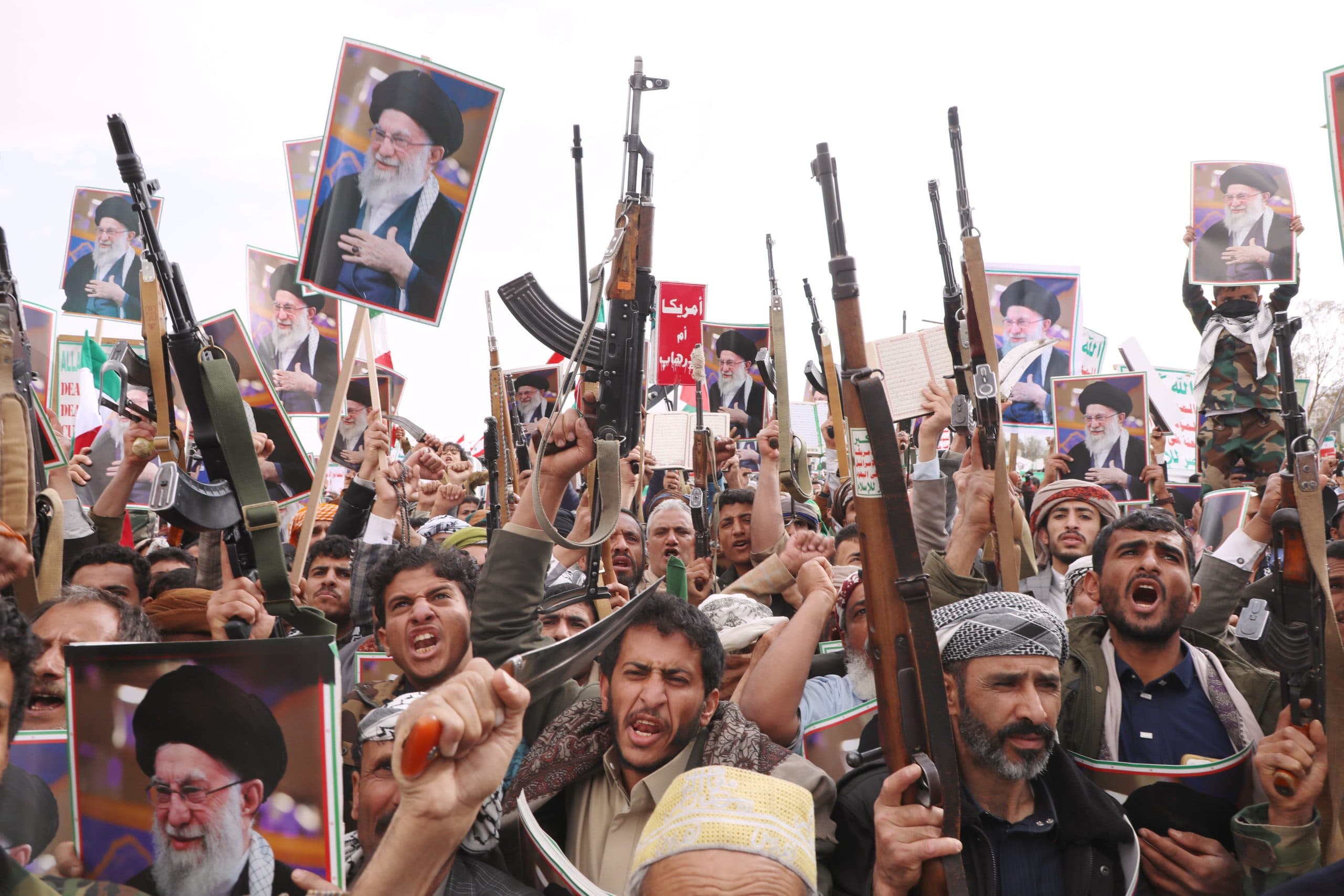
Iran Strikes Gulf Capitals, Escalating Hormuz Confrontation With US and Israel
Key Takeaways
- Houthis have not entered the regional war but can disrupt shipping and Gulf energy infrastructure.
- U.S. and Israeli strikes on Iran escalated into direct state confrontation.
- Escalation marks the first direct military confrontation between states.
Gulf Escalation Begins
The escalation of tensions in the Persian Gulf region has intensified as Iran has conducted strikes against Gulf capitals.
“The Houthis have yet to enter the expanding regional war, but their ability to disrupt shipping, strike Gulf energy infrastructure, and pressure regional rivals makes them the conflict’s most unpredictable actor”
This latest round of hostilities represents a dangerous escalation in the already volatile regional dynamics.
Iran has directly challenged its adversaries through military actions targeting key strategic locations in Gulf states.
The strikes have drawn condemnation from Western powers while Iran has framed them as legitimate responses to aggressive actions by the US and Israel.
The timing and coordination of these attacks suggest a calculated move by Iran to deter further military pressure while demonstrating its regional capabilities and resolve to defend its interests.
Hormuz Confrontation Intensifies
The Strait of Hormuz, a critical chokepoint for global oil supplies, has become the epicenter of the latest confrontation between Iran and Western forces.
Iranian military actions in the strategic waterway have disrupted international shipping and created significant risks for global energy markets.
The United States has responded by deploying additional naval assets to the region, while Israel has increased its own military presence and rhetoric against Iranian activities.
This tripartite confrontation has created a complex web of military posturing, with each side testing the boundaries of what the others will tolerate.
The situation is particularly concerning given the historical significance of Hormuz as a flashpoint for major conflicts and its vital importance to global energy security.
Global Reactions Diverge
International reactions to the Iranian strikes have been sharply divided along geopolitical lines, with Western powers condemning the actions as aggression.
“The Houthis have yet to enter the expanding regional war, but their ability to disrupt shipping, strike Gulf energy infrastructure, and pressure regional rivals makes them the conflict’s most unpredictable actor”
Some regional states have expressed understanding of Iran's security concerns in their public statements.
The United States and its European allies have issued strong statements of condemnation, with the White House calling the strikes 'unacceptable and destabilizing.'
Israel has pushed for even stronger international condemnation and potential military responses to the Iranian actions.
Several Gulf states have issued more measured responses, with some privately acknowledging that Iran has legitimate security concerns.
This divergence in international response reflects the complex web of relationships and competing interests that characterize the current crisis.
Energy Market Impact
The latest confrontation has significant implications for global energy markets, with disruptions to oil flows through the Strait of Hormuz potentially causing major price volatility.
Iran's targeting of Gulf capitals and strategic infrastructure has created uncertainty about the security of oil shipments through the world's most important energy chokepoint.
Energy analysts warn that even limited disruptions could lead to significant price spikes with potential impacts on global economic stability.
The situation is particularly concerning given that the Strait of Hormuz handles approximately one-third of the world's seaborne oil trade.
Major energy consumers and producers are closely monitoring the situation, with some already taking steps to secure alternative supply routes and increase strategic reserves.
Diplomatic Efforts Strained
Diplomatic efforts to de-escalate tensions have been hampered by the rapid escalation of military actions and deep mistrust between the involved parties.
“The Houthis have yet to enter the expanding regional war, but their ability to disrupt shipping, strike Gulf energy infrastructure, and pressure regional rivals makes them the conflict’s most unpredictable actor”
The United Nations has called for an immediate ceasefire and urged all parties to exercise restraint, though diplomatic channels remain strained.
Regional powers have attempted to mediate, with some Gulf states offering to facilitate dialogue between Iran and Western powers.
The situation has been complicated by the involvement of multiple actors with competing interests and a history of failed diplomatic initiatives.
Analysts suggest that a sustainable resolution will require addressing the underlying security concerns of all parties.
This includes Iran's legitimate security interests and the concerns of Western powers about regional stability and nuclear proliferation.
More on Yemen
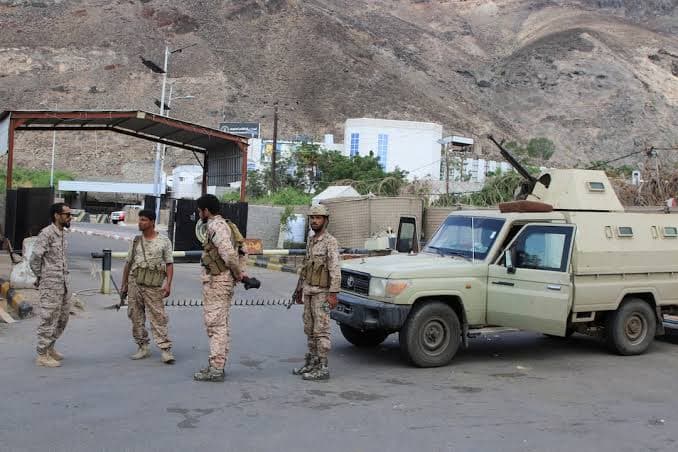
UAE Evacuates Yemeni Separatist Leader Aidarous al-Zubaidi by Boat, Saudi Coalition Alleges
16 sources compared

Southern Transitional Council Declares Disputed Dissolution in Riyadh
10 sources compared

Saudi-Led Coalition Launches Airstrikes on Al-Dhale Province Targeting Southern Transitional Council Leader Aidaros Alzubidi
30 sources compared
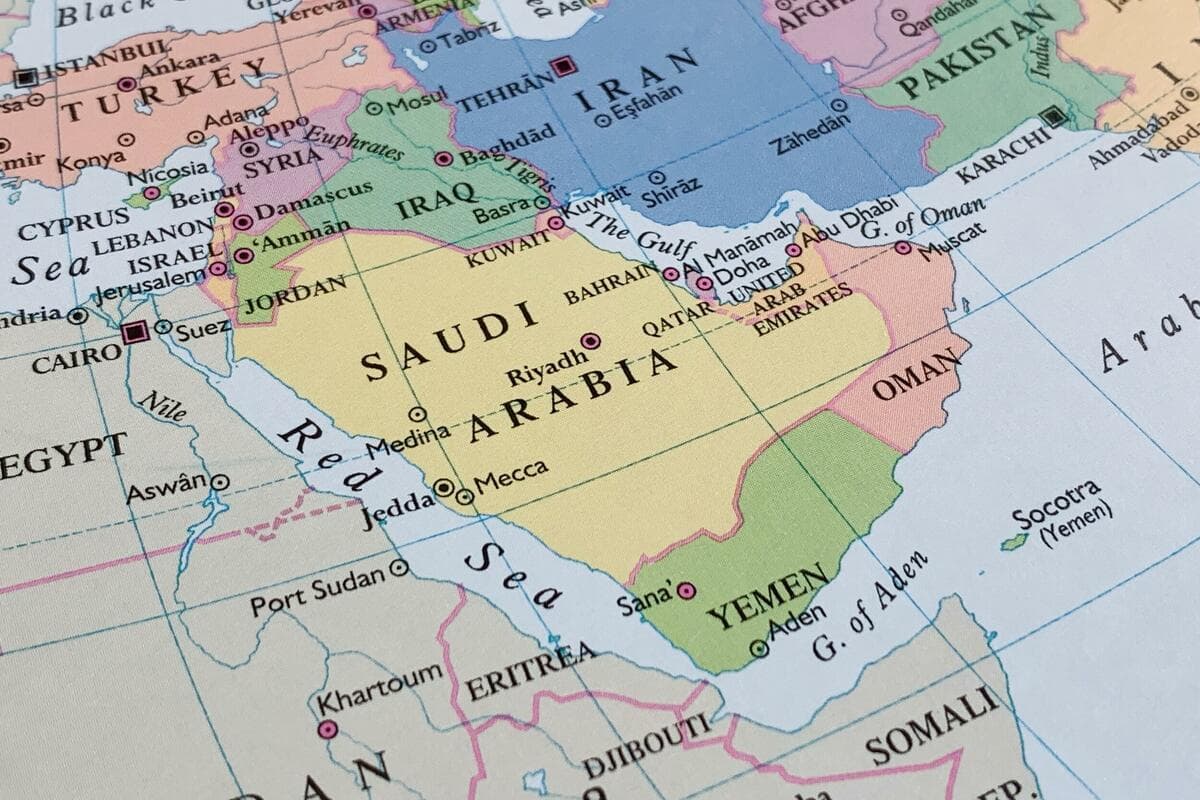
Saudi-Backed Yemeni Forces Reclaim Hadhramaut Military Camps From UAE-Backed Southern Transitional Council
22 sources compared