Israeli Airstrikes Kill At Least 5 Civilians, Wound Others in Qana and Tyre
Key Takeaways
- Israeli airstrikes hit Qana outskirts of Tyre, causing civilian deaths.
- Casualties cited range from 5 to 13 civilians killed across outlets.
- Israeli forces issued evacuation orders for southern Lebanon residents.
Airstrikes and rising toll
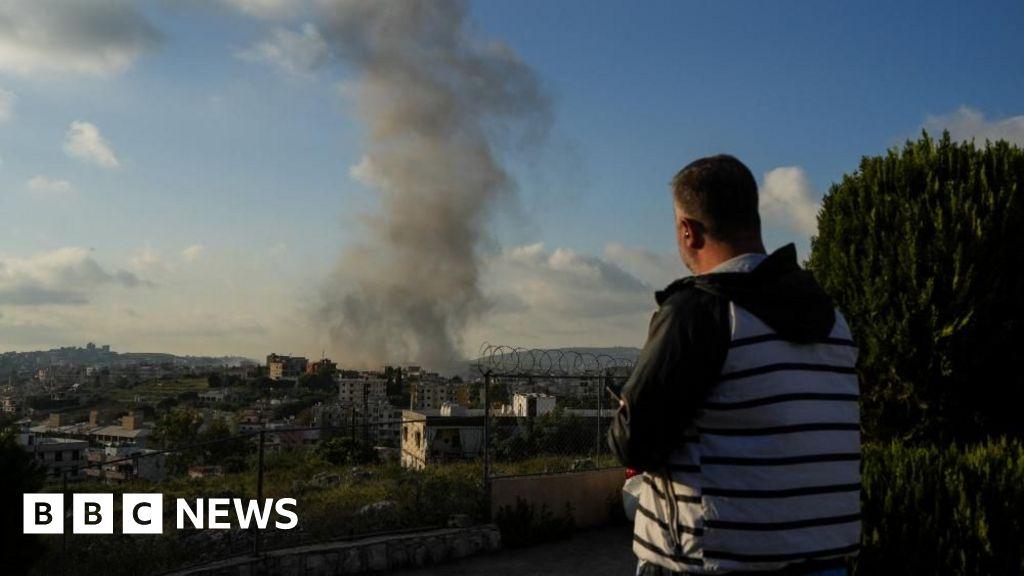
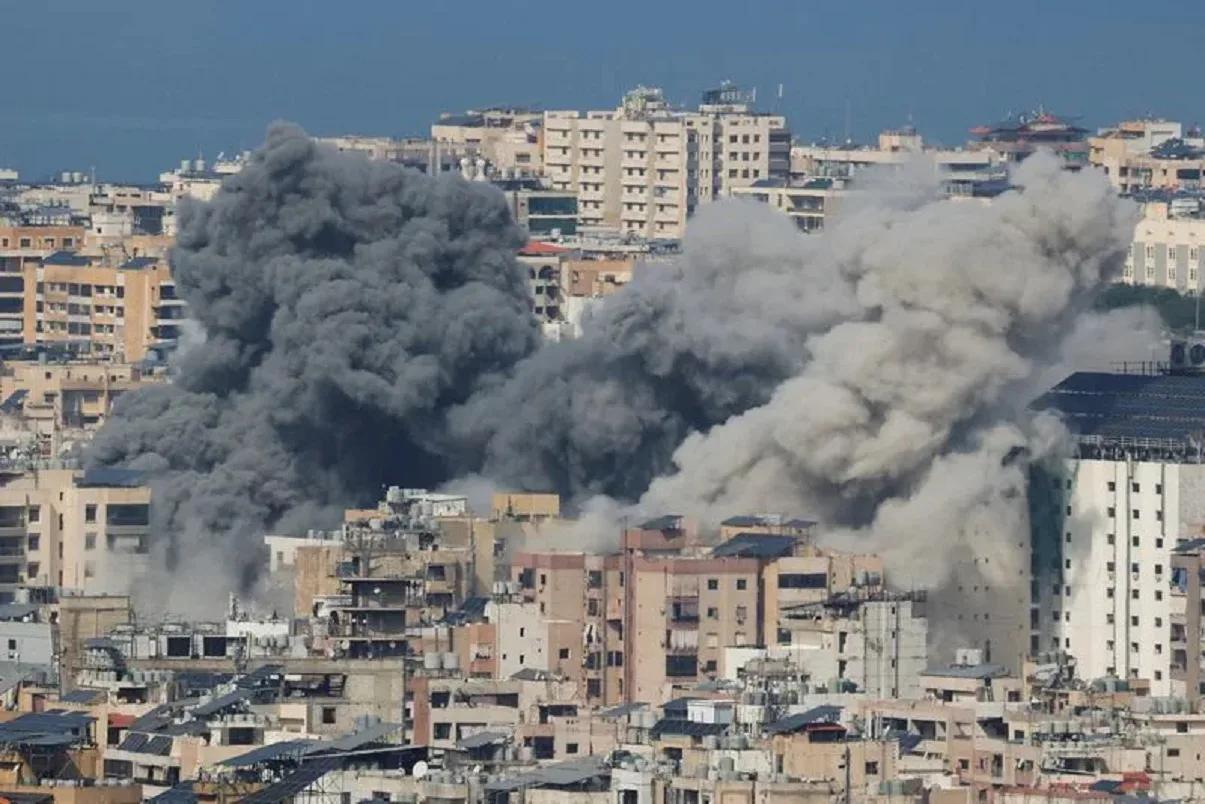
Israeli airstrikes across southern Lebanon killed at least 5 civilians and wounded several others in the Qana area on the outskirts of Tyre, according to the official Lebanese news agency (NNA) as relayed by Anadolu Ajansı.
Anadolu Ajansı also reported that in the Nabatieh countryside, including the Hayim settlement, “3 wounded were transported to a hospital,” after strikes hit several sites.

The same Anadolu Ajansı report said local sources reported airstrikes on other areas in southern Lebanon, including Bafliyeh and Qunin.
In addition, it cited the Lebanese official news agency saying that in the Israeli army's attack on the Maroub area in Tyre, “6 people were killed,” and that in an earlier attack on the Qana settlement on the outskirts of Tyre, “5 people had died.”
Taken together, Anadolu Ajansı said, “the death toll has risen to 11” in Israeli attacks on southern Lebanon since last night.
The Straits Times likewise described the continuing pattern of strikes despite a fragile truce, saying Israeli strikes on May 3 killed at least one person and wounded four rescuers, with the Lebanese Health Ministry attributing the casualties to strikes in southern Lebanon.
In parallel, Al Jazeera reported that Israel issued new displacement orders to residents in towns and villages in southern Lebanon, including areas beyond its current zone of occupation, as the bombardment continued.
Ceasefire strain and escalation
The reporting ties the strikes and casualties to a ceasefire that has not halted violence, with multiple outlets describing continued attacks and displacement orders after the United States-brokered truce began.
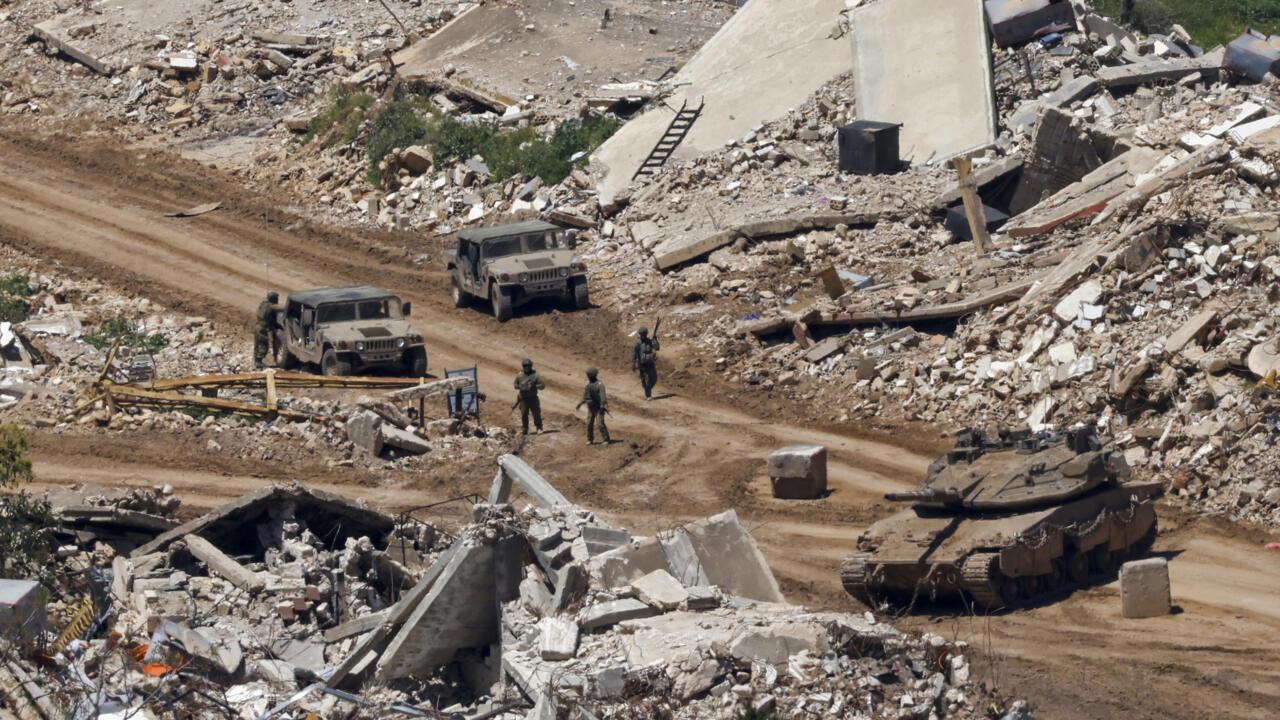
Today (Western Mainstream) described Israeli strikes continuing in southern Lebanon and said the Israeli army confirmed it “damaged” a religious building after it destroyed a convent and a school run by nuns in Yaroun, Bint Jbeil district.

The Straits Times placed the violence in the context of a “fragile ceasefire” that has been in place since April 17, adding that Israel maintained its attacks despite that truce in its war with Hezbollah.
Al Jazeera said the displacement orders were issued “despite a truce meant to halt fighting with the armed group Hezbollah,” and it quoted the Israeli military’s Arabic-language spokesman Avichay Adraee posting on X.
The Straits Times also quoted Israeli military chief Eyal Zamir threatening to strike Hezbollah “beyond the yellow line,” and it described the ceasefire text as granting Israel the right to act against “planned, imminent or ongoing attacks.”
Anadolu Ajansı, meanwhile, described overnight targeting of multiple areas in southern Lebanon, including Tyre and Nabatieh, and said Israeli airstrikes continued on various parts of southern Lebanon.
Today (Western Mainstream) further reported that on Saturday the Health Ministry announced that Israeli attacks killed “over 40 people in the past 24 hours,” bringing the total to “2,659 people killed by Israel since March 2.”
Across the same period, Al Jazeera said Lebanon’s Ministry of Public Health reported “at least 10 people were killed in Israeli attacks across the country on Saturday,” and it put the total death toll since March 2 at “2,659” with “8,183 injured.”
Journalists, rescuers, and statements
Lebanon’s government and officials condemned Israeli actions described as obstructing rescue efforts and targeting media workers, while Israeli statements and military actions were presented alongside those accusations.
“Reporting the Changing World Anadolu Ajansı © 2026 Istanbul / Anadolu Agency According to the official Lebanese news agency (NNA), Israeli fighter jets overnight targeted several areas in the southern Lebanese cities of Tyre and Nabatieh”
Al-Sharq reported that Israel continued airstrikes in southern Lebanon that left three people dead, including a female journalist, and it quoted Prime Minister Nawaf Salam describing the incident as a “war crime.”
Salam said, “Targeting journalists in the south while they carry out their professional duties is no longer isolated incidents; it has become a proven pattern that we condemn and reject, as do all international laws and norms.”
The same Al-Sharq report said the National News Agency of Lebanon described Israeli forces preventing the Lebanese Red Cross from completing a humanitarian mission by firing “a stun grenade at the ambulance and shooting at it,” so Lebanese rescue teams could not retrieve journalist Amal Khalil.
Reuters was also cited in Al-Sharq, quoting a senior Lebanese military official saying that an Israeli drone dropped a bomb on rescue teams attempting to retrieve an injured journalist from under the rubble in the town of al-Tiri in southern Lebanon.
The Straits Times similarly described the Lebanese Health Ministry condemning “these repeated attacks” and recalled “Article 19 of the Geneva Convention” about verifying that medical facilities are safe from danger caused by attacks.
It said the ministry’s condemnation was tied to strikes that wounded rescuers from the Hezbollah-affiliated Islamic Health Committee, with one strike on Srifa wounding “four rescuers.”
In a separate thread of official Israeli messaging, Today (Western Mainstream) said the Israeli army confirmed it “damaged” a religious building after it destroyed a convent and a school run by nuns in Yaroun.
Hezbollah drones and Israeli losses
Alongside the airstrikes and displacement orders, the sources describe drone activity and battlefield casualties on both sides, with Israeli military statements and Israeli media reporting on Hezbollah’s tactics.
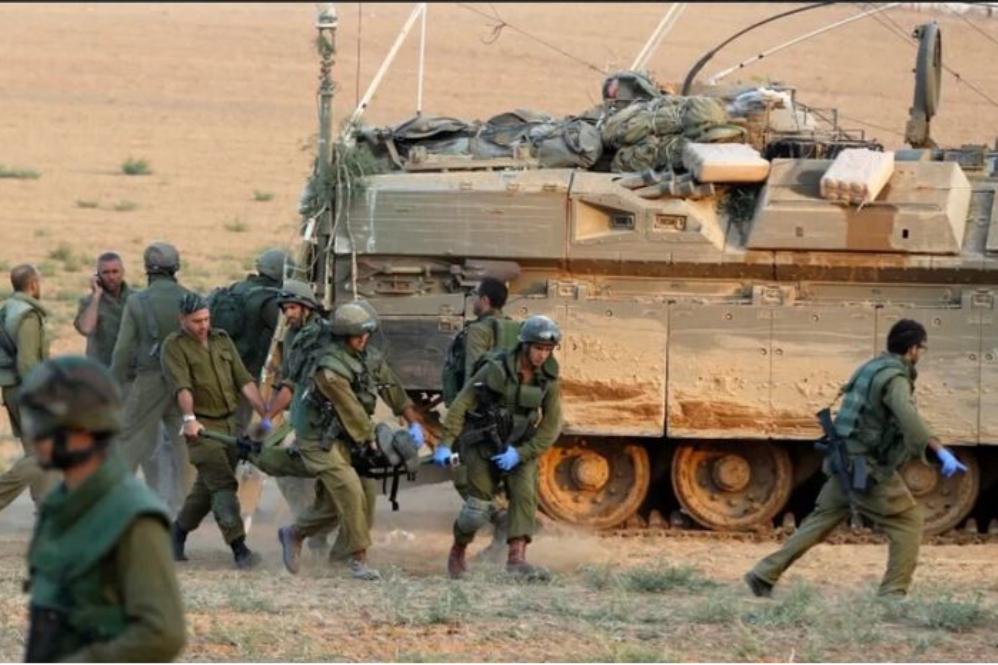
Al Jazeera Network’s report said the Israeli occupation army acknowledged that in battles in southern Lebanon “one soldier was killed and three others were wounded,” and it added that “154 officers and soldiers have been injured in these battles since last Thursday.”
It also said the injury levels were “34 officers and soldiers with serious injuries and 78 with moderate injuries,” and it quoted the Israeli regime’s claim that since early March last year and the start of ground operations, “565 officers and soldiers of this regime have been wounded.”
The same Nour News report said Hezbollah “continues its attacks,” and it stated that since March 2 the Israeli regime’s army has confirmed the deaths of “12 of its soldiers” and injuries to “dozens of others” in southern Lebanon.
Today (Western Mainstream) reported that for the Revolutionary Guard, Washington has only two choices, quoting that the Guard stated the United States’ options are limited to an “impossible” military operation or a “bad deal” with the Islamic Republic, and it said the statement was broadcast on state television.
The Straits Times described Hezbollah’s use of drones controlled by fibre-optic cable, saying these drones are “largely immune to electronic jamming,” and it linked that to daily attacks and threats to Israeli troops and communities in northern Israel.
It also quoted Hezbollah’s April 27 statement that it targeted Israeli troops in Bayada in response to Israel’s “violation” of the ceasefire, and it said the United States called for direct peace negotiations while Lebanese President Joseph Aoun said Israel should fully implement the ceasefire before talks.
In parallel, Al Jazeera’s report on displacement orders included Eyal Zamir’s threat “beyond the Yellow Line,” reinforcing that the drone and strike cycle is occurring alongside political pressure and negotiations.
Negotiations, displacement, and next steps
The sources also connect the battlefield developments to diplomatic steps and to the continuing movement of civilians under Israeli orders, while Lebanese and Israeli officials frame what comes next.
Al-Sharq reported that the United States announced on Tuesday that U.S. Secretary of State Marco Rubio would participate in the second round of direct negotiations between Beirut and Tel Aviv, scheduled to take place in Washington on Thursday under American sponsorship.

It said Prime Minister Nawaf Salam reaffirmed his support for continuing direct talks with Israel during a joint news conference with French President Emmanuel Macron on Tuesday, and it described earlier direct talks ending last week at the U.S. State Department in Washington.
Al-Sharq also said well-informed Lebanese sources told Al-Sharq that the main item in the second round would be the extension of the ceasefire.
Al Jazeera, meanwhile, described the immediate humanitarian pressure, saying Israel’s military issued new forced displacement orders and that the warning covered “more than 10 villages and towns,” including several in the district of Nabatieh north of the Litani River.
It reported that Al Jazeera’s Rory Challands said the ceasefire “exists only in name,” and it quoted his description that “Down south, Israel maintains five divisions of its invading army, and it is bombing and demolishing homes extensively.”
The Straits Times added that Israel’s military issued new evacuation warnings in southern Lebanon for villages beyond the area it occupies, and it said the warning covers more than 10 villages and towns including several in Nabatieh north of the Litani River.
In parallel, The Straits Times quoted Israeli military chief Eyal Zamir threatening to strike Hezbollah “beyond the yellow line,” and it said the ceasefire text grants Israel the right to act against “planned, imminent or ongoing attacks.”
More on Lebanon

Gold Slips as Oil Prices Rise, Keeping Interest Rates Elevated in Lebanon-Linked Tensions
17 sources compared

US Pushes Joseph Aoun To Meet Benjamin Netanyahu As Hezbollah Rejects Israel Talks
18 sources compared
China Urges UN Security Council To Reconsider UNIFIL Troop Withdrawal From Lebanon
12 sources compared
Israel Airstrikes in Southern Lebanon Kill 10 as Hezbollah Drones Wound Two Soldiers
56 sources compared