Iran Suspends U.S. Talks After Israel Intensifies Attacks in Lebanon, Ghalibaf Warns
Key Takeaways
- Iran suspends indirect talks with the United States after Israel intensifies attacks in Lebanon.
- Iran seeks Pakistan's help to de-escalate tensions and preserve the Lebanon ceasefire.
- Iran says Lebanon ceasefire must be part of any US deal.
Iran suspends US talks
Iran suspended talks with the U.S. on Monday after Israel intensified attacks in Lebanon, according to state media reports and an Iranian official cited by The Washington Post.
“Iran and the United States are reviewing texts exchanged through intermediaries and working toward a “final formula” for a possible understanding, Iranian Foreign Minister Abbas Araghchi said in an interview with Lebanon’s Al Mayadeen television network”
The Washington Post also reported that Iranian Parliament Speaker MB Ghalibaf, leading Iran's negotiation team, warned that if Israeli attacks continue, Iran will "not only halt the dialogue process" with the United States but will also "stand firmly against them".
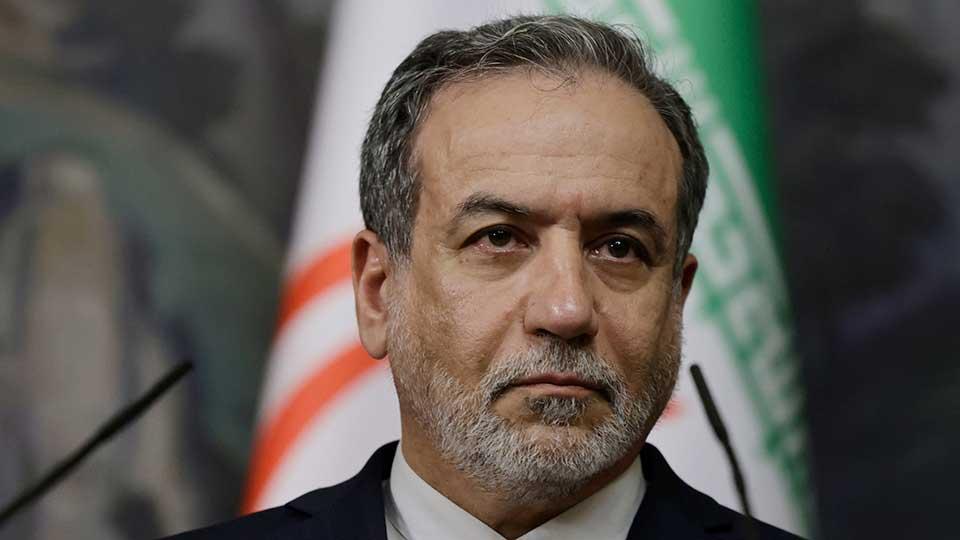
In parallel, The Guardian reported Abbas Araghchi saying, "The ceasefire between Iran and the US is unequivocally a ceasefire on all fronts, including in Lebanon," and that its violation on one front is "a violation of the ceasefire on all fronts."
The Guardian added that Donald Trump told NBC News, "I think going silent would be very good, and that could be for a long time," while also saying the U.S. would maintain its blockade on Iranian ports.
The immediate diplomatic context, as described by The Washington Post, was that Israel’s escalation in Lebanon came even as U.S. officials sought to manage the broader Iran track.
Ceasefire redefined amid strikes
The National reported that ceasefires across the Middle East are increasingly defined by the absence of full-scale war rather than an actual cessation of hostilities, describing "The cycle will continue. This is low-intensity warfare," from an Arab official briefed on the regional security picture.
The National said that between May 23 and May 26, at least 242 Israeli air and drone strike events were recorded across southern Lebanon, a 110 per cent increase compared with May 19 to May 22, while the group responded with about 30 attacks against Israeli forces during the same period.

In the same reporting stream, The National described Washington’s proposal that Israel retain freedom of military action while Hezbollah refrains from attacks, effectively redefining ceasefire terms.
Iran’s position was echoed by Iran International, where Esmaeil Baghaei accused Israel and the U.S. of ceasefire violations and said, "It is not only the Zionist regime that is committing ceasefire violations; the United States is also committing ceasefire violations in our region on such a wide scale."
Iran International also reported Baghaei alleging that Washington was "constantly changing its views" and raising new or contradictory demands, making the diplomatic process take longer.
Lebanon, Hormuz, and next steps
As Iran tied its diplomacy to Lebanon, Türkiye Today reported Iran saying a ceasefire in Lebanon remains a condition for any agreement with the United States, with Esmaeil Baqaei telling a news conference, "We insist that a ceasefire in Lebanon is an essential condition for any deal aimed at ending the war."
“Iran seeks Pakistan's help to ease tensions over Israeli violations of the ceasefire in Lebanon”
Türkiye Today also said Baqaei accused Washington of continuing to violate the truce framework and vowed Iran would "take whatever measures we deem necessary to defend Iran's national security."
The Guardian described a parallel escalation risk around the Strait of Hormuz, quoting Araghchi that the U.S. blockade of Iranian ports and Israeli actions in Lebanon were "clear evidence of US non-compliance" with the ceasefire.
In a separate diplomatic push, the Arabic-language report from اليوم السابع quoted French President Emmanuel Macron stressing that the priority should be a ceasefire and de-escalation, and calling for reopening the Strait of Hormuz "immediately and without preconditions."
With the Lebanon track under strain and Iran warning of consequences, the sources frame the next phase as dependent on whether ceasefire commitments hold across fronts, including Lebanon and the Strait of Hormuz.
More on Iran
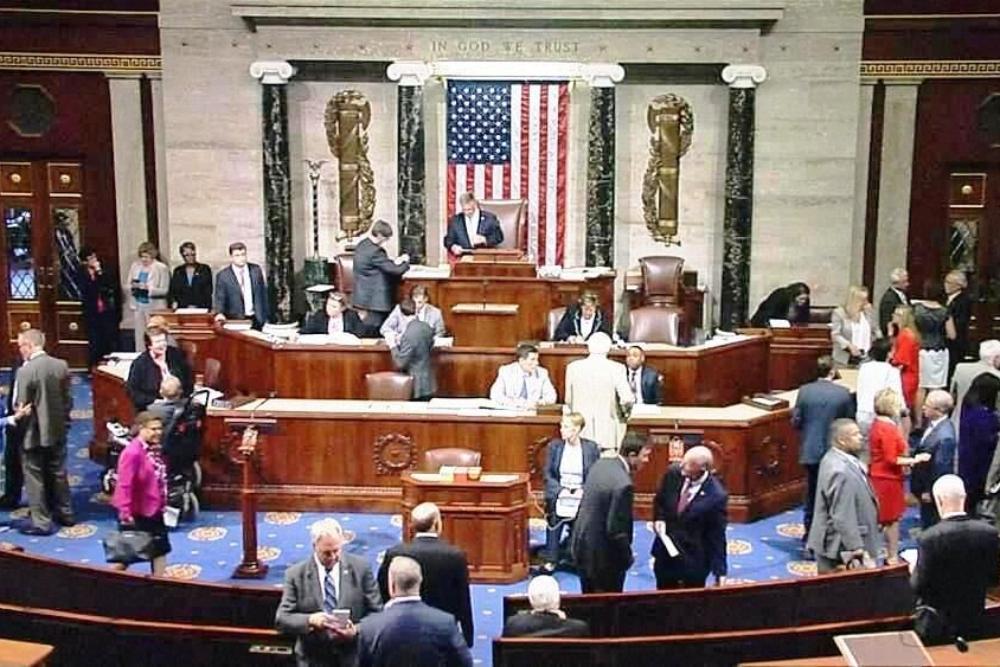
House Passes War Powers Resolution Directing Donald Trump To End Hostilities With Iran
16 sources compared

Iran Strikes Kuwait International Airport, Killing One and Wounding Dozens
19 sources compared
Iranian Missile And Drone Attack Kills One, Wounds Dozens At Kuwait International Airport
14 sources compared

Iran Kills One and Injures Dozens in Drone Strike on Kuwait International Airport
17 sources compared