Full story
Talks threatened, Hormuz risk
Iran warned it may halt ceasefire negotiations with the U.S. and fully reblockade the Strait of Hormuz, as tensions resurged amid Israel’s attacks on Lebanon targeting the Iran-aligned Hezbollah.
“Iranian officials have warned that Israel’s escalating attacks on Lebanon and ongoing hostilities in Gaza threaten to derail the ongoing ceasefire negotiations with the United States which continue to drag on”
The Iranian parliament speaker leading negotiations, Mohammad Bagher Ghalibaf, and Foreign Minister Abbas Araghchi posted on X that a ceasefire between Iran and the U.S. means a ceasefire on all fronts, including Lebanon, and that attacks on Lebanon violate ceasefire obligations.

Tasnim News, a semi-official agency close to Iran’s Revolutionary Guard, said on the 1st that "As ceasefires have been violated on all fronts, including Lebanon, Iran’s negotiation team will suspend dialogue through mediators."
The Financial Times said tensions were escalating as Iran threatened to halt peace talks and block the Strait of Hormuz, while oil prices surged on blockade fears with Brent crude rising 4.2% to $94.98 per barrel and U.S. West Texas Intermediate jumping 5.5% to $92.16 per barrel.
Trump, Netanyahu, Hezbollah
While Iranian-aligned media reported Tehran was suspending talks through mediators, President Donald Trump wrote on Truth Social that talks with Iran were continuing at a "rapid pace" and that he had spoken with Israeli Prime Minister Benjamin Netanyahu and representatives from Hezbollah.
Trump also wrote that "there will be no Troops going to Beirut" and that, through highly placed Representatives, he had a "very good call with Hezbollah" in which they agreed that "all shooting will stop".

Netanyahu later posted on X that Israel Defense Forces would strike Beirut if Hezbollah attacks do not stop, writing, "if Hezbollah does not stop attacking our cities and civilians, Israel will strike terrorist targets in Beirut," and adding that the IDF would continue operating as planned in southern Lebanon.
The BBC reported that Lebanon’s embassy in Washington said it had received confirmation of Hezbollah’s acceptance of a U.S. proposal for a mutual cessation of attacks, under which Israeli strikes on Beirut’s southern suburbs would cease in exchange for Hezbollah refraining from attacks against Israel.
Consequences and next moves
Iran’s foreign ministry said the U.S. bears direct responsibility for violations of the ceasefire against Iran and for violations committed by the Zionist regime against Lebanon, and it warned that the consequences of any violation would be borne by Washington.
In a statement, Iran’s foreign ministry said the ceasefire was "unequivocally a ceasefire on all fronts, including in Lebanon," and that its violation on one front is a violation on all fronts.
The BBC reported that Iran’s Tasnim news agency said Tehran could suspend indirect negotiations with the U.S. over Israeli military actions in Lebanon and that Iran and its allies could "activate other fronts, including the Bab al-Mandab Strait" at the entrance of the Red Sea.
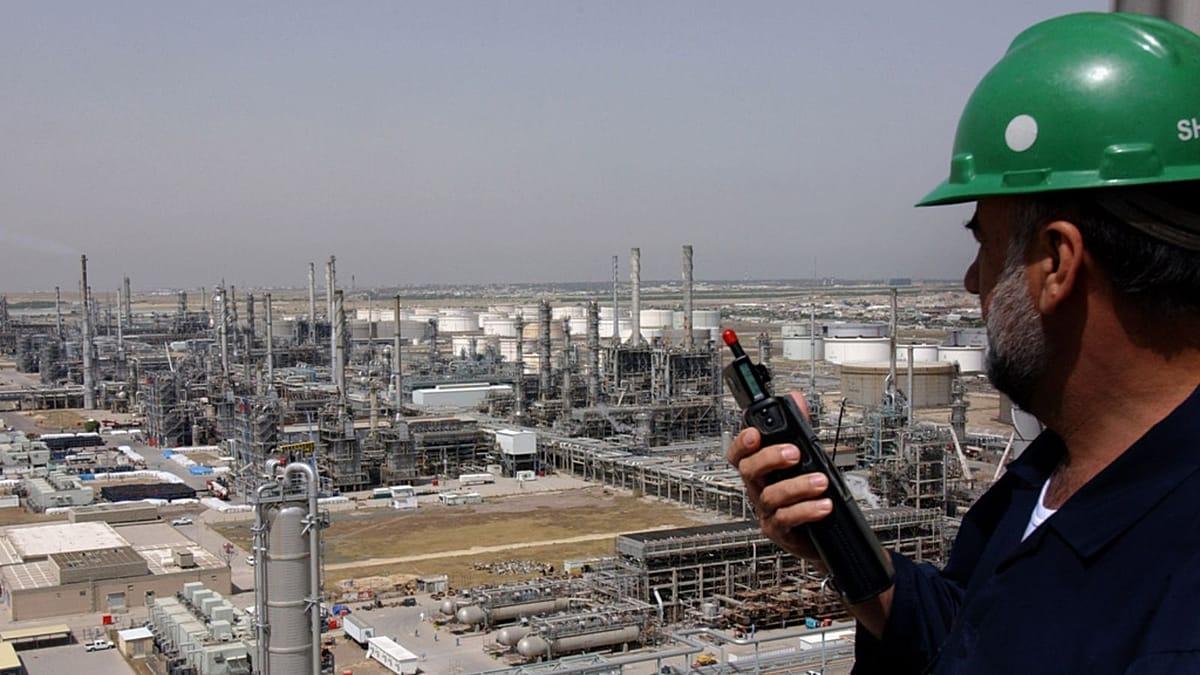
The BBC also linked the dispute to the Strait of Hormuz, saying the three-month-long war had effectively closed the Strait of Hormuz waterway and that around a fifth of the world’s oil and liquefied natural gas supplies usually pass through the strait.