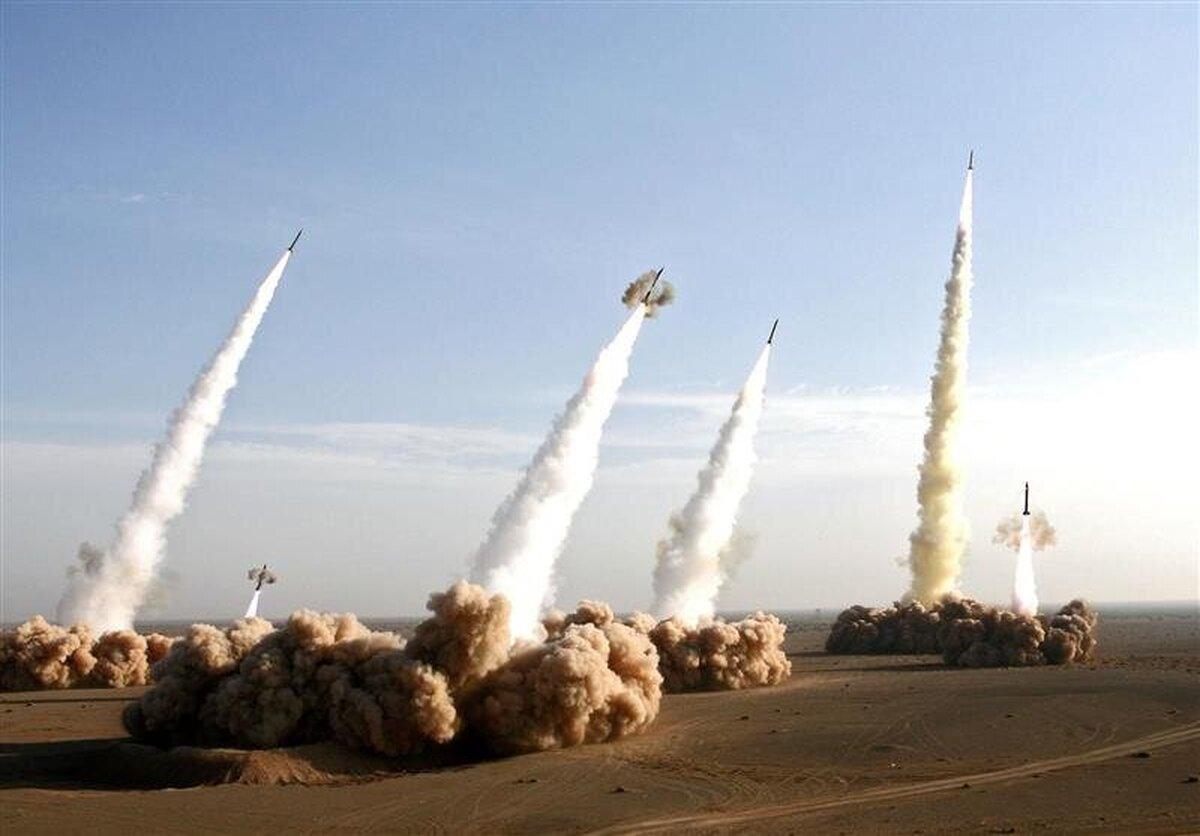
Iran Uses U.S. Ceasefire to Dig Out Missiles and Munitions Buried Underground
Key Takeaways
- Iran excavates missiles and munitions buried underground or under rubble during ceasefire.
- U.S. officials say Tehran aims to quickly reconstitute its missile capabilities to resume attacks.
- Ceasefire is open-ended, enabling continued digging and weapon buildup.
Ceasefire, digging, and options
Iran is using the ceasefire with the United States to dig out missiles and munitions buried underground during hostilities, as a U.S. official and two other people familiar with the matter told NBC News.
The NBC News report says Iran has “stepped up its efforts to excavate missiles and other munitions it hid underground or that were buried beneath rubble from U.S. and Israeli airstrikes.”
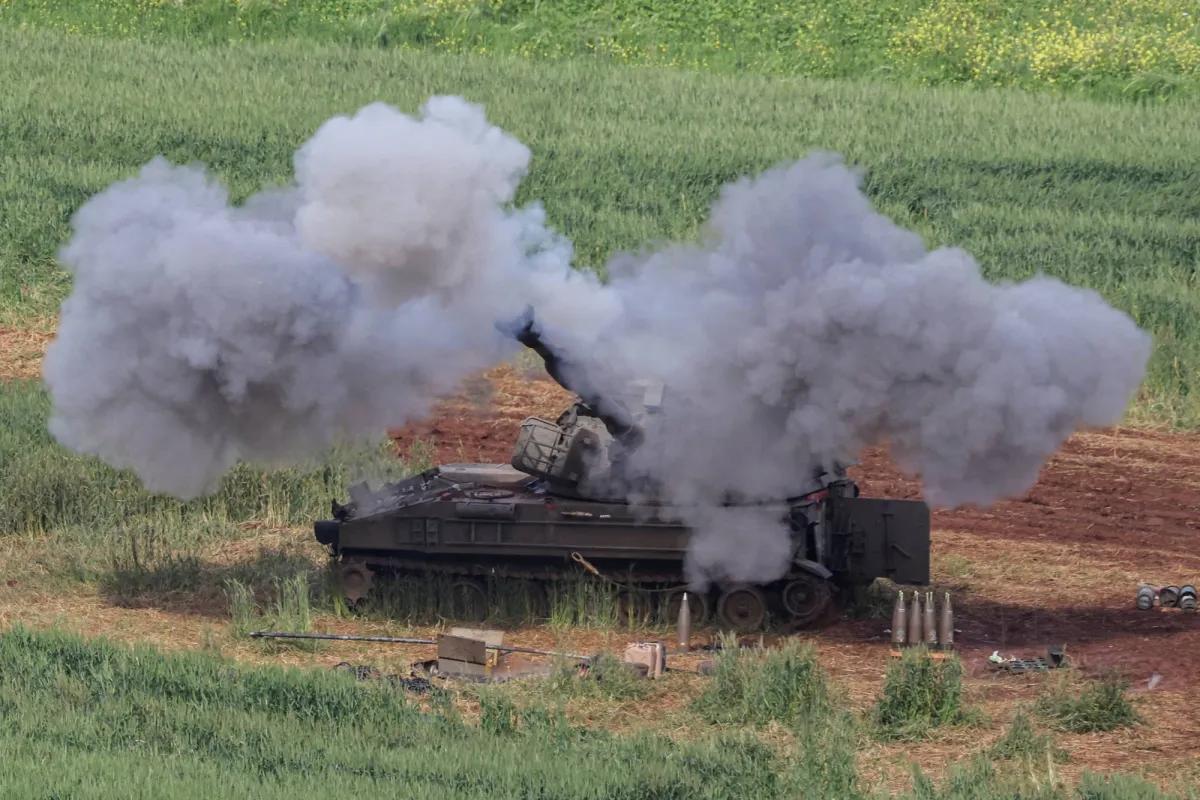
The same reporting says Washington believes the regime wants to “quickly reconstitute its drone and missile capabilities so it could launch attacks across the Middle East if President Donald Trump decides to resume military operations.”
Reuters and other outlets in the provided material also frame the ceasefire as a standstill without a deadline, with the International Business Times citing that “The ceasefire does not have a deadline even though negotiations are deadlocked.”
In parallel, U.S. Central Command commander Adm. Brad Cooper was scheduled to brief Trump and members of his national security team on options, including “a ‘short and powerful’ military action,” according to International Business Times.
NBC News adds that Trump was set to meet with his national security team Thursday to review options “including new military action — for opening the Strait of Hormuz and stripping Iran of any nuclear material.”
The reporting also ties the decision-making to a mid-May trip to China, where Trump is expected to meet Chinese President Xi Jinping, with a White House official saying the visit “is a ‘priority,’ and the White House really does not want to move it again.”
Blockade, Hormuz, and timeline
The ceasefire and the U.S. blockade are directly linked to Iran’s actions around the Strait of Hormuz, according to the reporting.
The NBC News account says Iran began blocking the Strait of Hormuz after the U.S. and Israel began its bombing campaign on Feb. 28, and that the move “has sent global oil prices surging.”
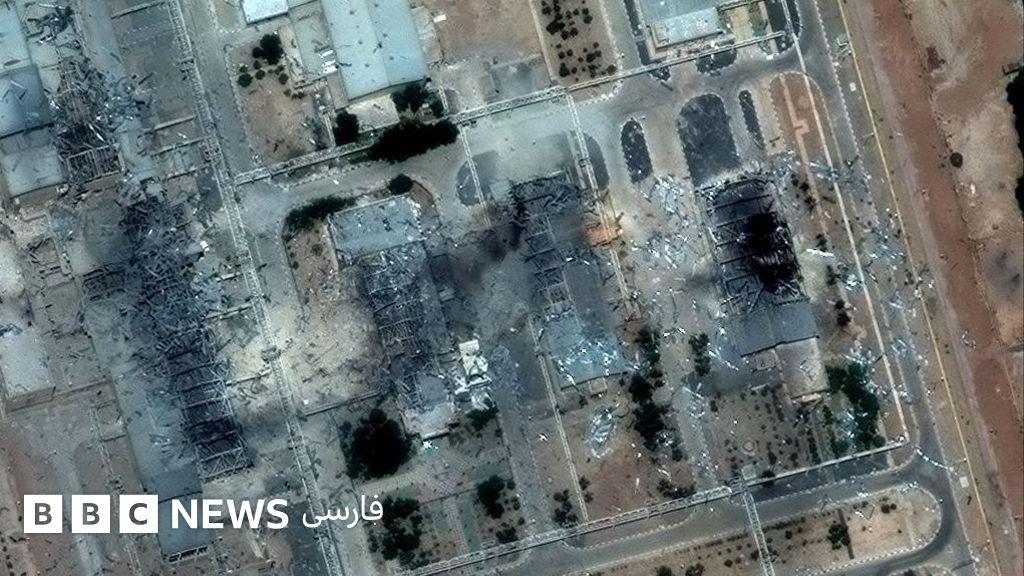
It adds that Trump retaliated with a naval blockade of Iranian ports in the strait, and that Central Command officials said the U.S. had redirected 41 vessels from transiting the strait as of Wednesday.
A temporary ceasefire went into effect on April 8 “to allow the U.S. and Iran room to negotiate an end to the war and to reopen the strait, but talks have not produced results.”
The Times of Israel material describes the conflict as entering its sixth week and says the White House timeline was “4-to-6 week” at the start of the war, while negotiations were described as reaching a “dead end.”
The Times of Israel also says Trump extended Iran’s deadline for the second time and vowed to rain “hell” on the country if it fails to reach a ceasefire agreement or open the Hormuz Strait by Monday.
International Business Times similarly says Trump has opted for “maintaining the blockade of Iranian ports until a deal that addresses the U.S.'s concerns about the country's nuclear program is reached.”
Officials’ claims and rebuttals
U.S. and White House officials describe Iran’s military recovery efforts while also asserting that Trump’s objectives have already been achieved.
“Before the announcement of the ceasefire, the Times of Israel reported that an officer in the Israeli Air Force said that Iran still possesses more than 1,000 ballistic missiles capable of reaching Israel, compared with earlier estimates at the start of the war of about 2,500 missiles”
Defense Secretary Pete Hegseth told reporters on April 16, “We know what military assets you are moving and where you are moving them to,” and he added, “While you are digging out — which is exactly what you’re doing, digging out of bombed-out and devastated facilities — we are only getting stronger.”
Hegseth also said, “You are digging out your remaining launchers and missiles with no ability to replace them.”
White House spokesperson Anna Kelly stated in a statement that “Iran’s ballistic missiles are destroyed, their production facilities are demolished, their navy is sunk, and their proxies are weakened,” and she said Trump has “every option at his disposal” while his preference is “always diplomacy.”
NBC News reports that White House press secretary Karoline Leavitt suggested the war would be wrapped up by the start of Trump’s rescheduled trip to China in May, telling reporters on March 25, “We’ve always estimated approximately four to six weeks, so you could do the math on that.”
On the Iranian side, the International Business Times reporting says Iran threatened “unprecedented military action” if the U.S. continues with the blockade, and that Iranian state-run press said leaders’ “patience has limits” and a continued blockade would warrant a “punishing response.”
The International Business Times also says Iran, in turn, said the U.S.’s blockade of its ports is “doomed to fail.”
Competing assessments of damage
While U.S. officials emphasize that Iran’s capabilities have been destroyed, other reporting in the provided material highlights uncertainty and partial preservation of Iranian systems.
Euronews cites the Times of Israel and other media reporting that Iran still possesses “more than 1,000 ballistic missiles capable of reaching Israel,” contrasting that with earlier estimates at the start of the war of about 2,500 missiles.

Euronews also says Channel 12 reported that initial assessments indicated American fighter jets were “unable to hit a large number of sites where Iranian launch platforms had been buried,” and that the rate of hits on launch platforms came “less than expected.”
CNN is cited in Euronews as reporting that U.S. intelligence estimates suggest about half of Iran’s ballistic missile launch platforms remain intact, while Israel had announced in March it destroyed or disabled about 60% of total launch platforms, estimated at about 470 platforms.
The Euronews account attributes divergence to “differing classification criteria,” especially regarding platforms that remain intact but are not immediately usable.
The Washington Institute analysis similarly says it is unclear how progress is measured, noting that the U.S. Department of Defense said Iranian Navy ships were destroyed but that this does not include “the IRGC’s fast-attack craft flotilla and unmanned maritime systems and the IRGC’s small submarines.”
Shafaqna’s translation of Anadolu adds another quantitative layer, saying the New York Times reported that Iran preserved “about 40 percent of its prewar drone arsenal and more than 60 percent of its missile launchers,” and that “more than 100 launcher systems hidden in caves and trenches have been recovered since the start of a two-week ceasefire on April 8.”
What comes next and what’s at risk
The provided reporting frames the next phase as a contest over whether the Strait of Hormuz can be reopened and whether Iran can restore enough launch capability to deter or resume attacks.
“Iran is using the ceasefire with the U”
The Times of Israel says “escalation appears to be the most likely scenario,” and it describes Israel’s view that Iran still has “more than 1,000 missiles remaining,” citing an Israeli Air Force intelligence officer.
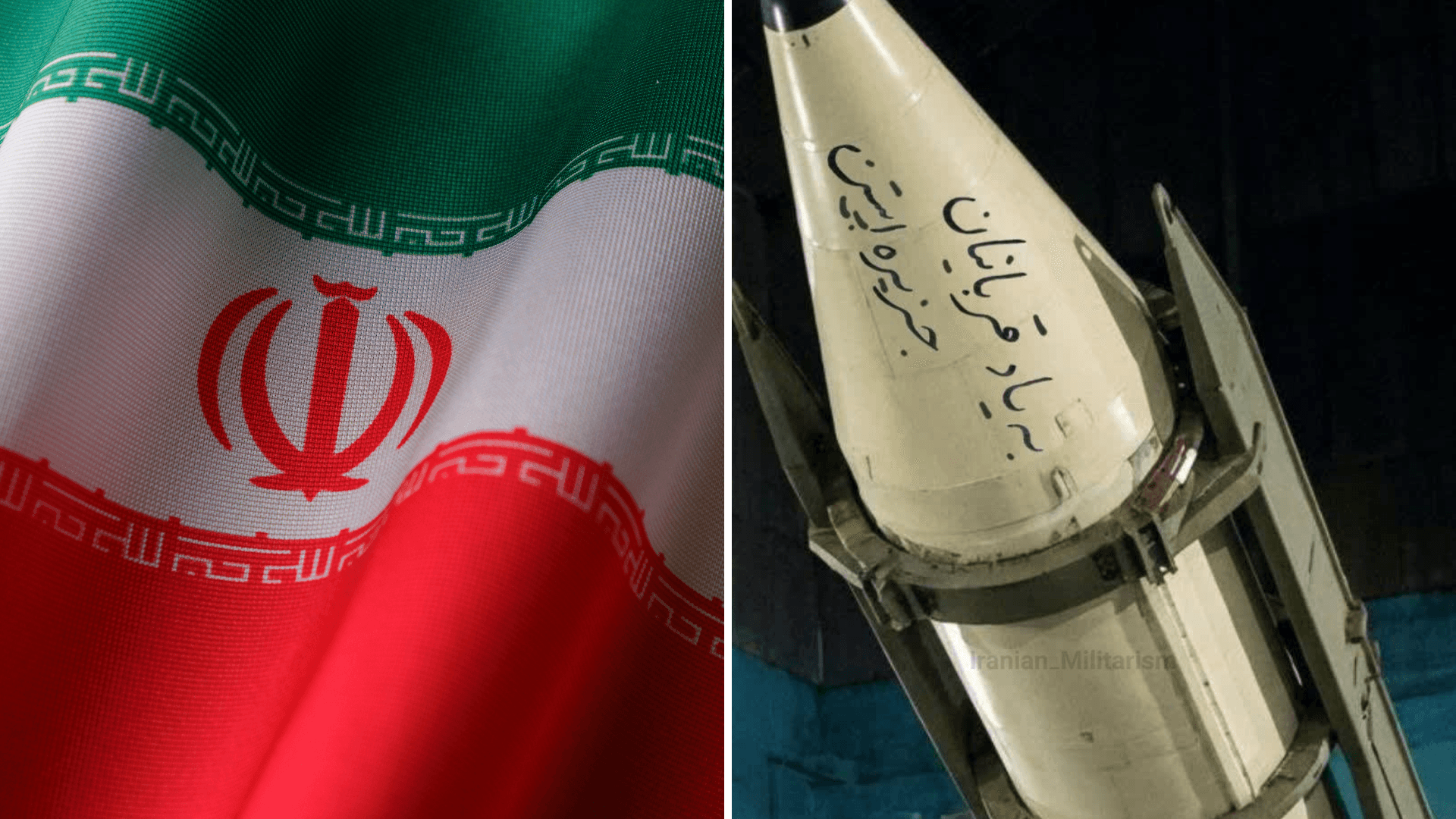
It also says Trump’s threat included that Tuesday “will be the day of power plants, and the bridges—all in one day, in Iran. There will be nothing like it!!!”
The Washington Institute argues that with shrinking stocks of interceptor missiles among the United States and its partners, “these Iranian strikes could become more damaging,” and it says it is “essential to identify Iran’s remaining capabilities and destroy them quickly.”
The Washington Institute also emphasizes that assessing progress toward objectives like preventing nuclear weapons is difficult because enriched uranium is believed buried under rubble, stating that “removing enriched uranium or verifying that other sites do not pose a proliferation risk, cannot be accomplished through airstrikes alone.”
In the Al Jazeera-linked West Asian reporting, the Iranian president’s message during the ceasefire period stresses that “one must consider the possibility of deception and plot by the United States and Israel,” and it says the United States “cannot be trusted.”
Finally, the West Asian reporting says maritime trade accounts for “about 90% of Iran’s economic output (about $340 million per day),” and that this flow has “nearly halted in recent days,” while the Washington Institute says “To date, U.S. efforts to restore normal shipping have not succeeded.”
More on Iran

Iran War Halts Strait of Hormuz Shipping, Yara Chief Warns of Global Fertiliser Squeeze
15 sources compared

Donald Trump Threatens Iran Infrastructure as Hamadan Neighborhood Attacked and MQ-9 Destroyed
12 sources compared

Saman Rezaei Says US And Israel Attacks Killed At Least 44 Iranian Seafarers
13 sources compared
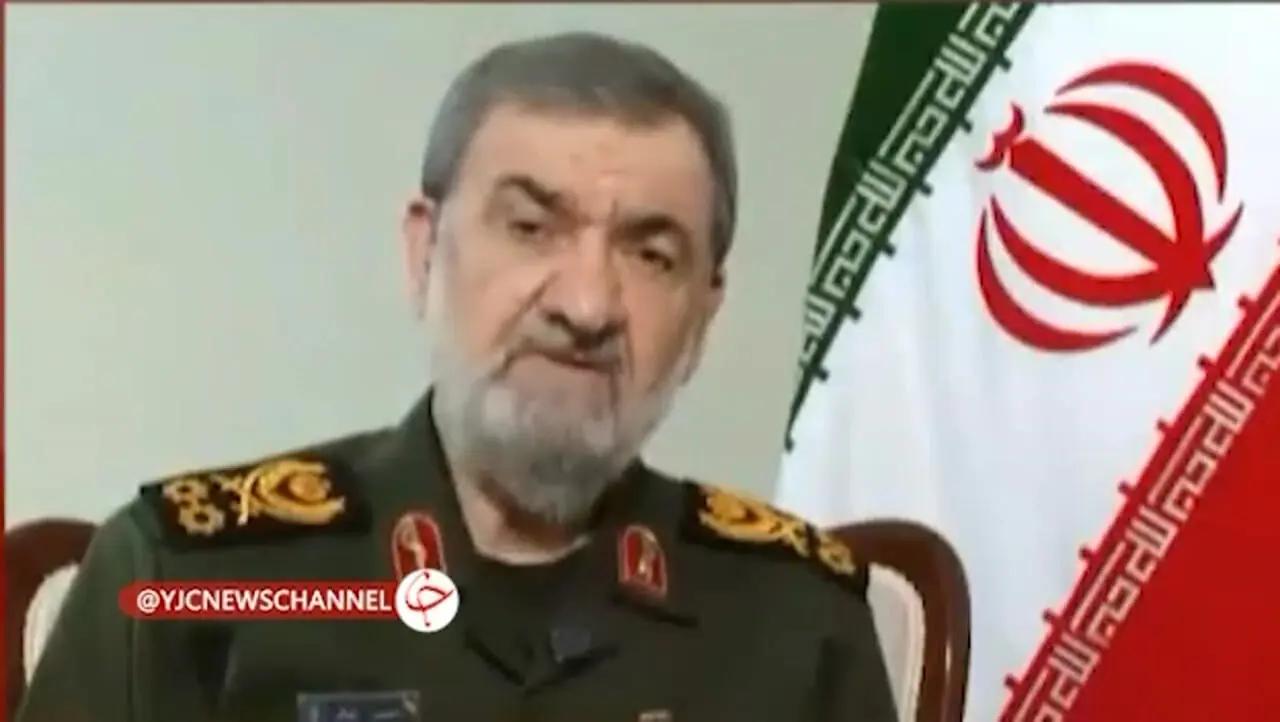
Iran Officials Reject U.S. Claims, Say Mojtaba Khamenei Is Alive in Perfect Health
12 sources compared