Iran Vows Long, Painful Strikes After US Naval Blockade Closes Strait of Hormuz
Key Takeaways
- Iran vows long, painful strikes if US renews attacks.
- Strait of Hormuz remains closed, blocking about 20% of global oil and gas.
- US-Israel strikes against Iran continue, escalating regional tensions.
Strait, blockade, and threats
Iran’s position in the US-Israel war has centered on the Strait of Hormuz, with Tehran insisting it will respond to any renewed US attacks with “long and painful strikes” across the Gulf region.
“Iran says it will respond with “long and painful strikes” on US positions across the Gulf region if Washington renews attacks, and has restated its claim to the Strait of Hormuz, complicating the plans of the United States for a coalition to reopen the waterway”
Al Jazeera reports Iran “vows ‘long, painful’ response if US renews attacks,” and says Iran has restated its claim to the Strait of Hormuz, complicating US plans to reopen the waterway.

The same Al Jazeera account says the strait remains closed two months into the US-Israel war on Iran, “choking off 20 percent of the world’s oil and gas supplies,” and that the closure has sent “global energy prices surging.”
Al Jazeera also ties the closure to Iran’s response to a US naval blockade of Iranian ports, stating that “Iran continues to block the strait in response to a US naval blockade of its ports, preventing oil exports.”
Iran’s Foreign Affairs spokesman Esmaeil Baghaei defended the closure, telling IRNA that “This is because of the war and the defence of our right – that is, according to international law, it is legitimate, legal, and accepted.”
Baghaei also accused the US of “exploiting a waterway” and said, “In such circumstances, you cannot allow this waterway to be misused.”
Trump reviews Iran plan
US President Donald Trump’s public posture toward Iran has combined a review of a new Iranian proposal with threats of renewed force if Iran “misbehave.”
The Independent reports Trump wrote on Truth Social that he would soon review the plan Iran sent, adding, “I will soon be reviewing the plan Iran has just sent to us but can’t imagine that it would be acceptable in that they have not yet paid a big enough price for what they have done to humanity, and the world, over the last 47 years.”
The same Independent account says Trump also told congressional leaders that addressing “a under a decades-old law meant to limit the use of military force without authorization from Congress,” and it frames the remarks as coming after a senior Iranian official warned that a renewal of the war was “likely.”
CBS News similarly reports that Trump told reporters Saturday he is reviewing a new “14-point peace proposal” submitted by Iran, and it adds that Iranian state media outlet Tasnim News reported Tehran delivered a 14-point proposal to the U.S.
CBS News quotes Trump saying, “I haven’t seen it,” and that he told reporters, “I’m looking at it up here,” before saying, “I’ll let you know about it later…They told me about the concept of the deal. They’re going to give me the exact wording now.”
A separate West Asian report from روزنامه دنیای اقتصاد likewise says Trump wrote he would soon review Iran’s plan and that he “cannot imagine that it would be acceptable,” because Iran “still have not paid enough for what they have done to humanity and the world over the past 47 years.”
Ceasefire deadlines and escalation
The reporting also frames the Iran-US standoff around legal and political deadlines, with uncertainty about whether the US will renew attacks.
“What to know about the Iran war today: - President Trump told reporters Saturday he is reviewing a new 14-point peace proposal that was submitted by Iran”
Al Jazeera says “It is unclear whether the US is planning to renew its attacks on Iran,” and it specifies that “Friday is the deadline for Congress to approve the war,” adding that without approval “the US will have to scale back its offensive significantly under the 1973 War Powers Resolution.”
Al Jazeera further describes a procedural reset, saying “A senior administration official said late on Thursday that, for the resolution, hostilities had ceased with the start of the April ceasefire between Tehran and Washington, effectively resetting the clock.”
The same Al Jazeera account cites US Democratic Senator Richard Blumenthal, who told CNN on Thursday that he had “the ‘impression from some of the briefings’” and that “an imminent military strike is very much on the table.”
Blumenthal added that this prospect was “deeply disturbing” because it could “well involve American sons and daughters in harm’s way” and lead to “potential massive casualties.”
On the Iranian side, Al Jazeera reports that air defence activity was heard in Tehran late on Thursday, with Mehr saying it heard activity and Tasnim reporting that air defences were engaging “small drones and unmanned surveillance aerial vehicles.”
War timeline and death tolls
Several sources lay out the war’s timeline and Iran’s reported casualty figures, while also describing how the conflict spread beyond Iran’s borders.
الجزيرة نت says that on February 28, 2026, the United States and Israel began a coordinated military assault on Iran, striking “on the first day dozens of targets in the heart of Tehran and in several Iranian cities,” and it says the strikes targeted “officials and major figures led by the Supreme Leader of the Republic, Ayatollah Ali Khamenei.”
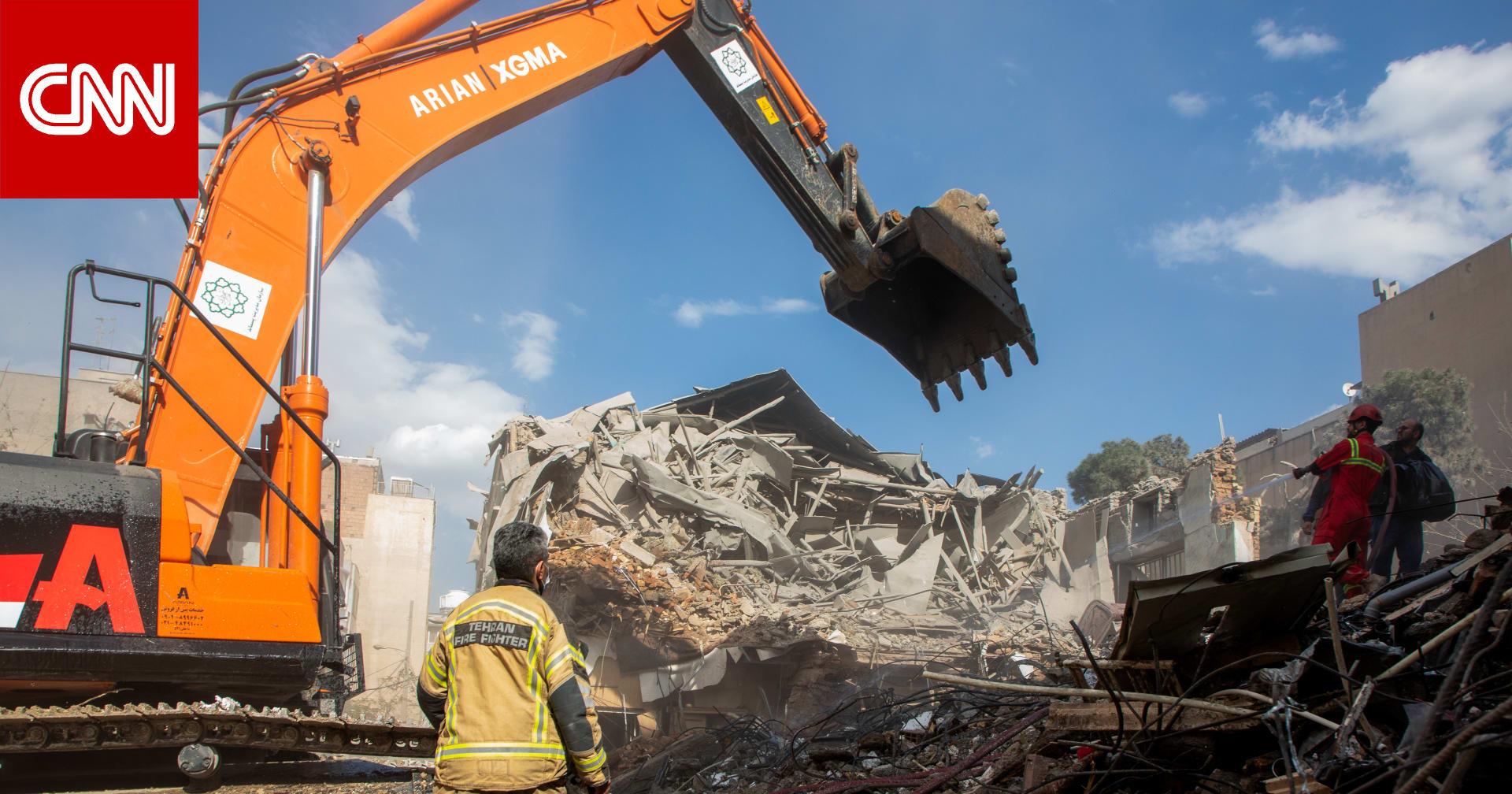
It adds that Iran responded with a military operation targeting sites in Israel and Gulf states and that “then Hezbollah joined the confrontation alongside Iran in early March 2026,” launching intensified rocket attacks on northern Israel, which Tel Aviv answered by striking southern Lebanon.
The same الجزيرة نت account says Iran blocked navigation through the Strait of Hormuz, disrupting global oil supplies and prompting international mobilization, and it says that in late March 2026 the Ansar Allah movement (the Houthis) joined with “drone and missile strikes toward targets in Israel.”
CNN Arabic provides Iran’s death toll figures, saying that “At least 3,375 people have been killed in Iran since the United States and Israel began strikes on the country, according to Iran's official state broadcaster IRIB.”
CNN Arabic quotes Abbas Mesgdi and breaks the figure down as “at least 2,875 of the dead were men, while 496 were women,” and it also cites Abbas Araqchi on “more than 200 children.”
Military capabilities and competing claims
Beyond the immediate diplomatic exchange, one report describes competing assessments of Iran’s military resilience after US and Israeli strikes.
“The Institute for the Study of War (ISW) and The Critical Threats Project (CTP) at the American Enterprise Institute are publishing daily updates to provide analysis on the war with Iran”
موقع الدفاع العربي says CBS News reported, citing American officials familiar with intelligence reports, that Tehran “has managed to preserve military capabilities far larger than Washington claims, despite the strikes carried out by the United States and Israel against it.”
It states that “by the time the ceasefire went into effect on April 8, Iran still held about half of its stockpile of ballistic missiles and launch platforms.”
The same report says that although “a large portion of Iran's naval forces had been destroyed,” about “60% of its naval capabilities remained intact,” including “fast attack crafts and small ships Tehran uses to control the Strait of Hormuz.”
It also claims the Iranian Air Force was “not destroyed completely,” with information indicating “about two-thirds of its capabilities remained operational after the US-Israeli military campaign.”
The Carnegie Endowment interview with Jim Lamson adds that it is “unclear” whether Israel and the United States achieved strategic objectives and that “Iran during the conflict managed to preserve its regime.”
More on Iran
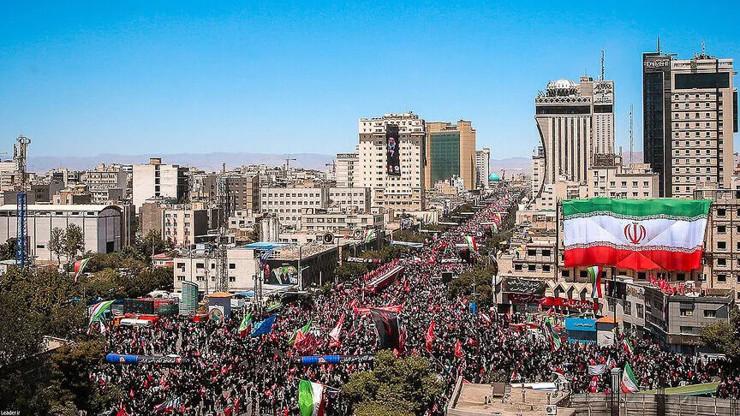
Israeli Strike Kills Ayatollah Ali Khamenei, Buried at Imam Reza Shrine in Mashhad
19 sources compared
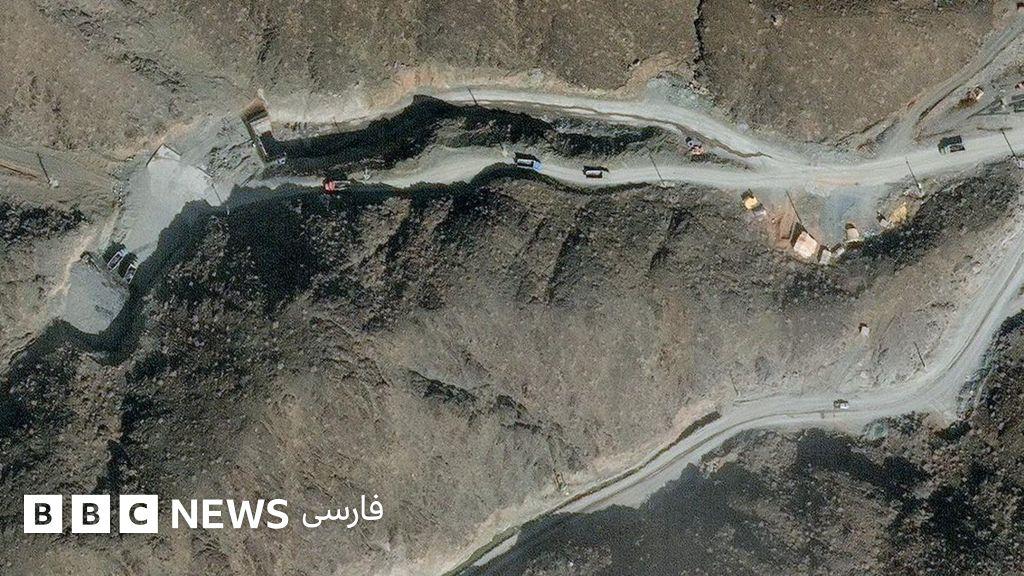
Iran Attempts To Restore Nuclear Sites Damaged In US And Israel Strikes, CNN Satellite Images Show
15 sources compared
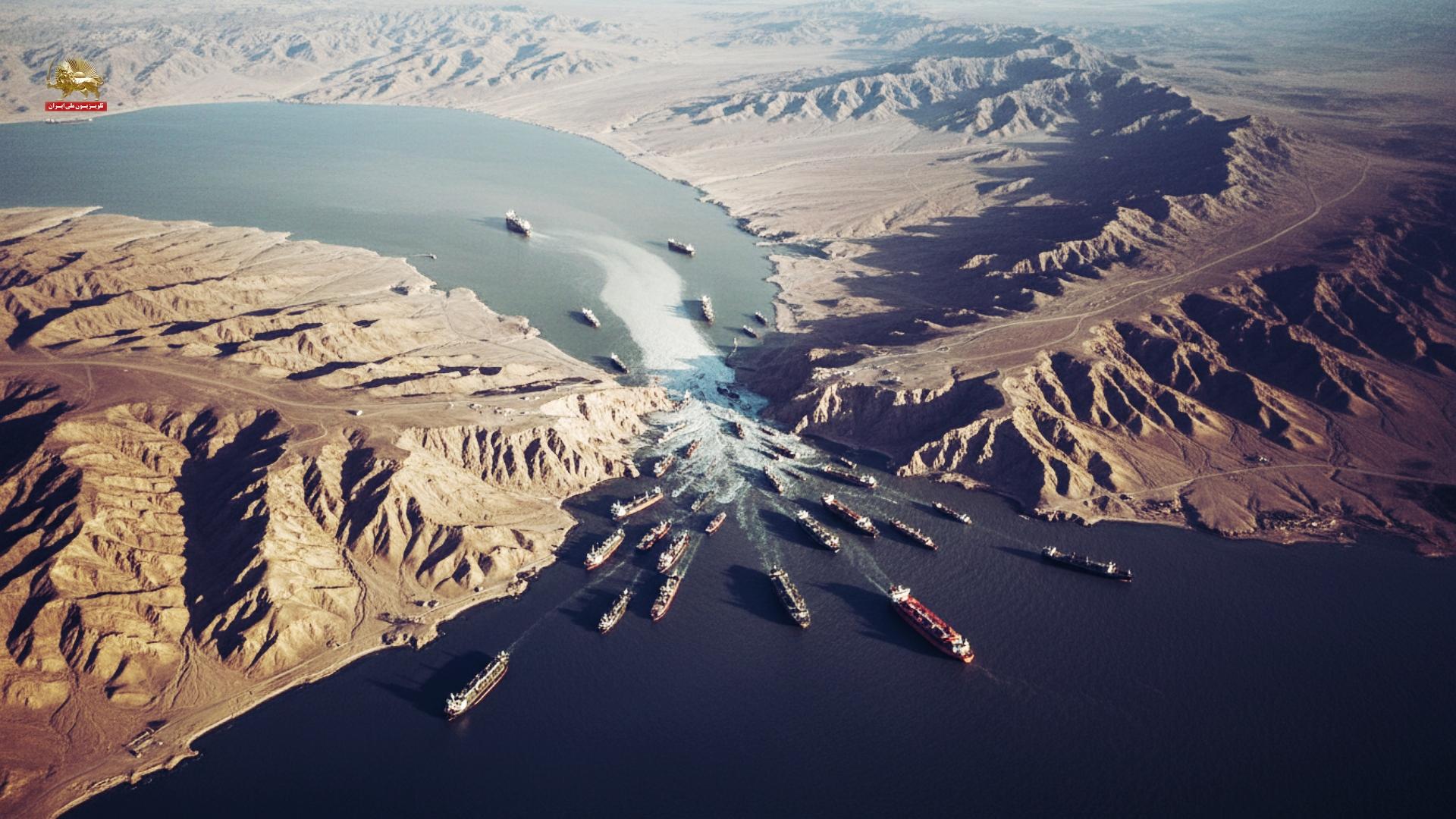
Abbas Araghchi and Prince Faisal Bin Farhan Discuss Regional Developments After US Attacks
11 sources compared

Trump Says U.S. Agreed to Continue Iran Talks, Ceasefire Is Over
19 sources compared