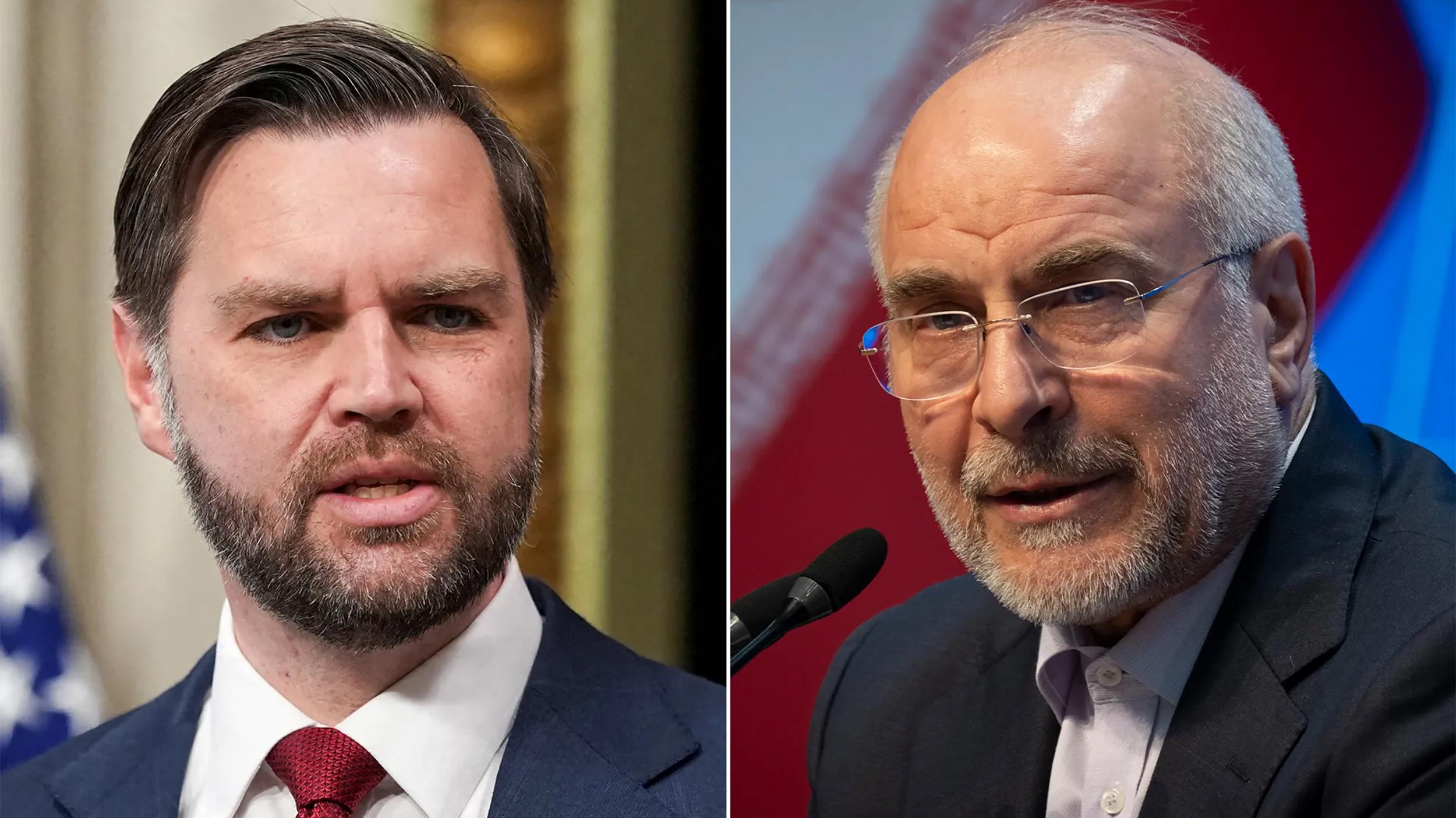
Iran Warns Trump of Decisive Response as Hormuz Ceasefire Nears End
Key Takeaways
- Trump's Iran policy shifted from escalation to pursuing a ceasefire.
- Hormuz ceasefire nearing end raises risk of renewed conflict and violations.
- Iranian leaders warn of catastrophic consequences for the US if war resumes.
Ceasefire, threats, and leverage
A new round of war, a looming end to a ceasefire, and competing claims of maritime violations are shaping the Iran crisis as Washington and Tehran move toward negotiations while tightening control of the Strait of Hormuz.
“The decision by US President Donald Trump to extend the ceasefire in the war with Iran shortly before its expiration marked a striking shift from his earlier rhetoric, which had emphasised escalation and outright destruction”
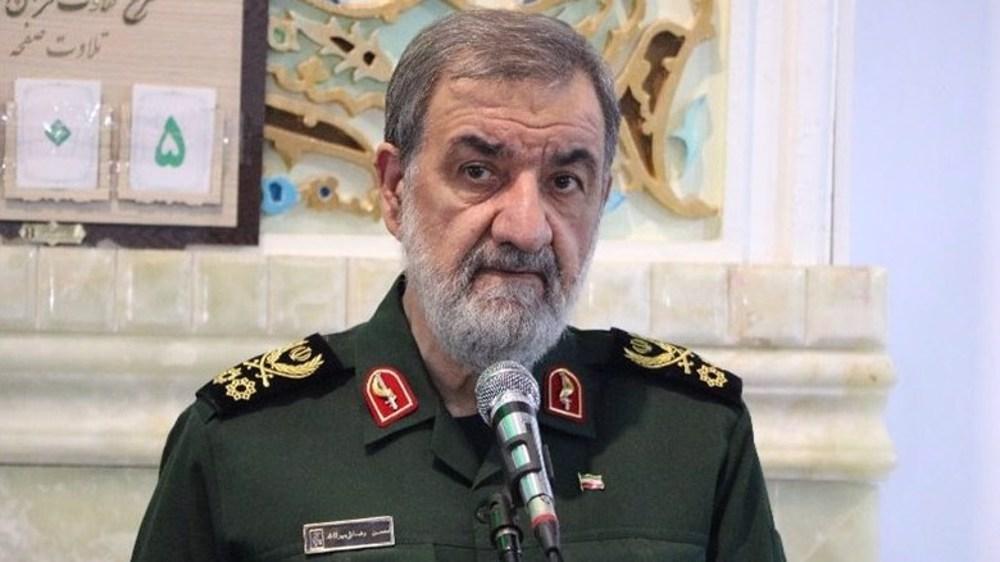
PressTV quotes Mohsen Rezaei, described as “a former chief commander of the Islamic Revolution Guards Corps (IRGC),” saying fresh aggression towards Iran will be “catastrophic” for the United States and adding, “History will record that the Iranian nation sank the American superpower in the Persian Gulf and the Sea of Oman.”
Rezaei also warns that “American military personnel are warning that if the country continues the war, there is a possibility that their vessels will be sunk and their soldiers killed,” and he says that in the event of fresh aggression the US “should expect that we will take a large number of their forces captive.”
The same PressTV account says the Islamic Republic’s Armed Forces faced “the latest bout of the United States' and the Israeli regime's unprovoked aggression” and cites “at least 100 waves of decisive and successful reprisal targeting sensitive American and Israeli targets across a large expanse of the West Asia region.”
It also says US President Donald Trump announced “a two-week lull in attacks” on April 7 and later extended the ceasefire while continuing “an illegal blockade of Iranian vessels and ports.”
In parallel, Al-Najah News says a senior American official warned of resuming war “in the coming days if there is no quick breakthrough in negotiations with Iran,” stressing the situation has reached a “critical point” as the ceasefire ends “in three days.”
Hormuz control and escalation
As the ceasefire timeline tightens, both sides describe actions around the Strait of Hormuz as either compliance or provocation.
PressTV says Iran “closed the strategic Strait of Hormuz to all traffic except vessels that coordinate with and receive authorization from relevant Iranian authorities,” and it adds that “the move has sent shockwaves through global energy markets.”

Al-Najah News describes a sequence of emergency diplomacy and operational decisions, saying an emergency meeting was held by Trump in the White House’s “Operations Room” and listing participants including Vice President J.D. Vance, Secretary of State Marco Rubio, Secretary of Defense Pete Hegseth, Treasury Secretary Scott Bisset, White House Chief of Staff Susie Wiles, the presidential envoy Steve Witkov, CIA Director John Ratcliffe, and Chairman of the Joint Chiefs General Dan Kaine.
In that same account, Trump tells reporters from the Oval Office that Iran “acted with cunning” by attempting to close the strait, insisting the United States “cannot be bullied,” and saying “the results of the developments would become clear by the end of the day regarding the possibility of reaching an agreement.”
Al-Najah News also says Iran’s armed forces announced the “re-closure of the Strait of Hormuz” in response to what it described as the ongoing “American naval blockade,” and it quotes the Khatam al-Anbiya headquarters saying Tehran will continue to control the strait “until guaranteeing freedom of movement for ships to and from its ports.”
The same report adds that Trump warned on Friday he would not extend the ceasefire if no agreement is reached, quoting: “I may not extend it… and, unfortunately, we will have to strike again.”
Negotiations in Islamabad, divided signals
While the Strait of Hormuz becomes the focal point for pressure, the diplomatic track is described as moving toward talks in Islamabad with uncertain participation and shifting conditions.
“Domestic Dynamics Are Central to U”
Al-Najah News says mediation efforts were led by Pakistani Army Chief Asim Munir in Tehran in recent days, adding that “Trump had at least one phone call with him,” and it says the Iranian Supreme National Security Council confirmed it is studying new American proposals transmitted via the Pakistani intermediary.
It also says an emergency meeting in Washington followed Iran’s announcement of reopening the Strait of Hormuz and carrying out attacks on ships in the waterway, “less than 24 hours after Trump's remarks about nearing an agreement.”
In that same report, it says the Iranian armed forces announced the re-closure of the strait in response to the “American naval blockade,” while the headquarters of Khatam al-Anbiya said Tehran will continue to control the strait “until guaranteeing freedom of movement for ships to and from its ports.”
Middle East Online’s account says the ceasefire “is due to end tomorrow, Wednesday,” and it quotes Iranian unified headquarters commander Ali Abdollahi saying Tehran holds “the upper hand on the battlefield, including control of the Strait of Hormuz.”
It also says German Foreign Minister Johann Wadefoul urged Iran to hold constructive talks with the United States in Islamabad, quoting him: “Iran must now accept this offer for the sake of its people.”
Ceasefire blame over TOUSKA
As negotiations loom, the sources describe a direct clash of narratives about ceasefire violations, centered on a US interception of an Iranian-flagged vessel in the Gulf of Oman.
Al-Sharq | West Asian says tensions intensified on Sunday with Tehran accusing Washington of breaching the ceasefire after the US military announced it had seized an Iranian-flagged vessel in the Gulf of Oman.
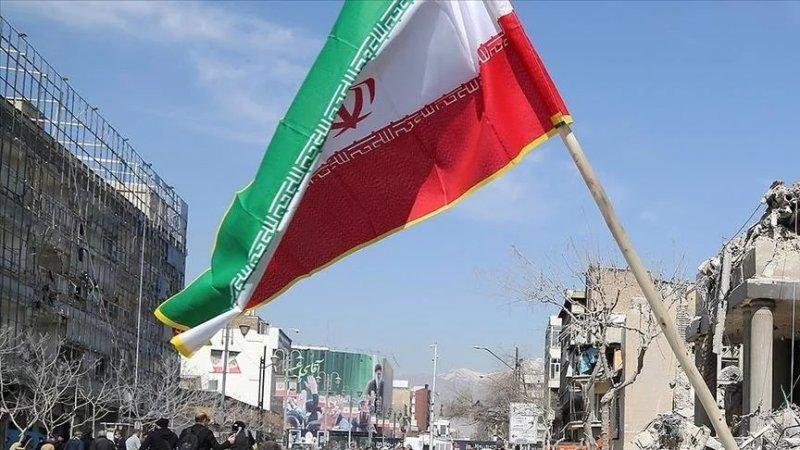
The same report says Trump announced that the cargo ship flying the Iranian flag, TOUSKA, “about 900 feet long,” attempted to breach the US-imposed naval blockade and was intercepted by the US destroyer in the Gulf of Oman.
It quotes Trump on Truth Social saying the guided-missile destroyer USS Spruance intercepted the vessel, ordered it to stop, and that its crew did not comply, with the US halting it by “targeting the engine room.”
On the Iranian side, Al-Sharq says the spokesman for the IRGC’s headquarters, Khatam al-Anbiya, said Iranian forces would respond and escalate at the right time to the American attack on the Iranian-flagged merchant vessel.
The report concludes by saying Iran reimposed restrictions on movement through the Strait of Hormuz on Saturday, while Israel resumed attacks on targets in Lebanon, undermining hopes for a peace deal promoted by Trump.
Domestic politics and war fatigue
Beyond the operational and diplomatic track, the sources also frame the Iran war as reshaping US politics and public debate, with domestic dynamics affecting how long Washington can sustain military pressure.
“A senior advisor to Leader of the Islamic Revolution Ayatollah Seyyed Mojtaba Khamenei says fresh aggression towards Iran will be "catastrophic" for the United States”
The Middle East Council on Global Affairs says “Public support and political unity are now just as important as military strength in sustaining a war,” and it argues that “War fatigue now cuts across partisan lines, narrowing the domestic consensus for prolonged foreign interventions.”
It describes the war as “extended well beyond the Middle East battlefield” and says it has had “significant political consequences in Washington, reshaping domestic politics and influencing public opinion.”
The issue brief says that as tension escalated in early 2026, the Trump administration faced “mounting pressure from both sides of the aisle,” with “intense partisan debate over the justification and goals of U.S. military involvement in Iran.”
It also says Republicans largely framed the confrontation as “a strategic necessity to prevent Iran from altering the regional balance of power in its favor,” while Democrats feared “a prolonged and costly war” that would evoke “the experiences of Iraq and Afghanistan.”
In a separate policy framing, Al Jazeera Centre for Studies describes the ceasefire extension as “a striking shift” from earlier rhetoric emphasizing escalation, and it says the extension was “reportedly encouraged by Pakistani mediation.”
More on Iran
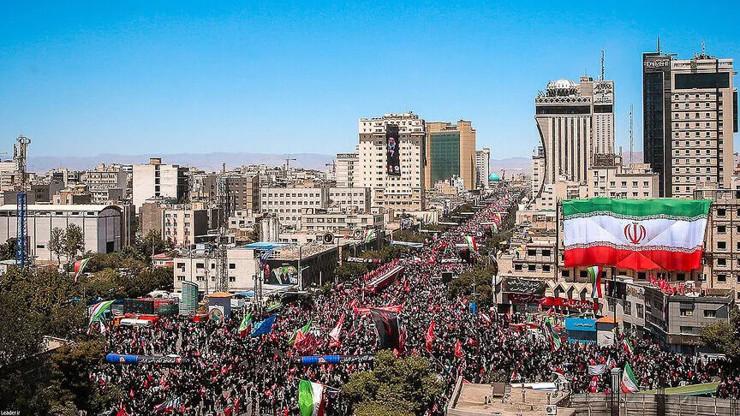
Israeli Strike Kills Ayatollah Ali Khamenei, Buried at Imam Reza Shrine in Mashhad
19 sources compared
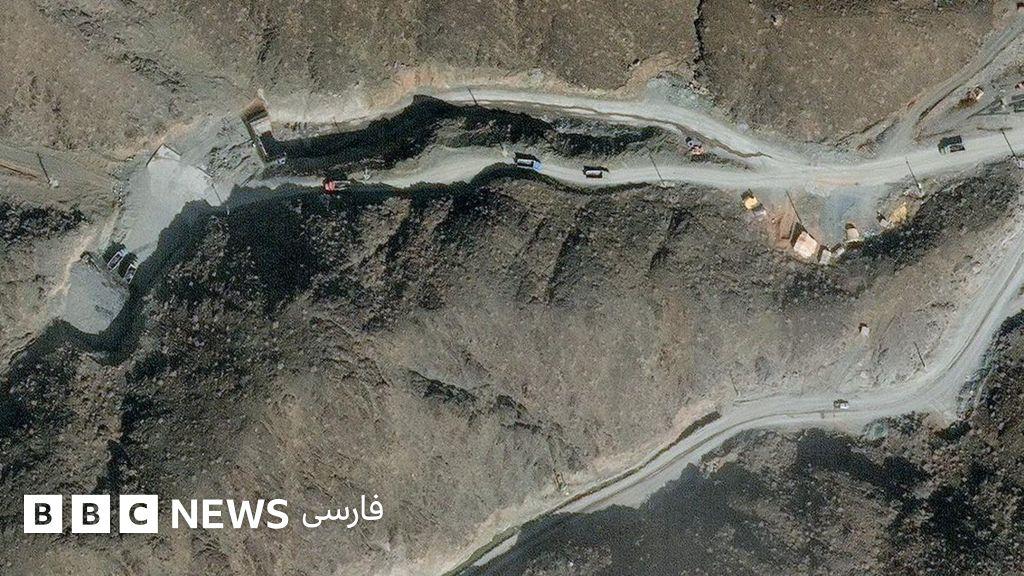
Iran Attempts To Restore Nuclear Sites Damaged In US And Israel Strikes, CNN Satellite Images Show
15 sources compared
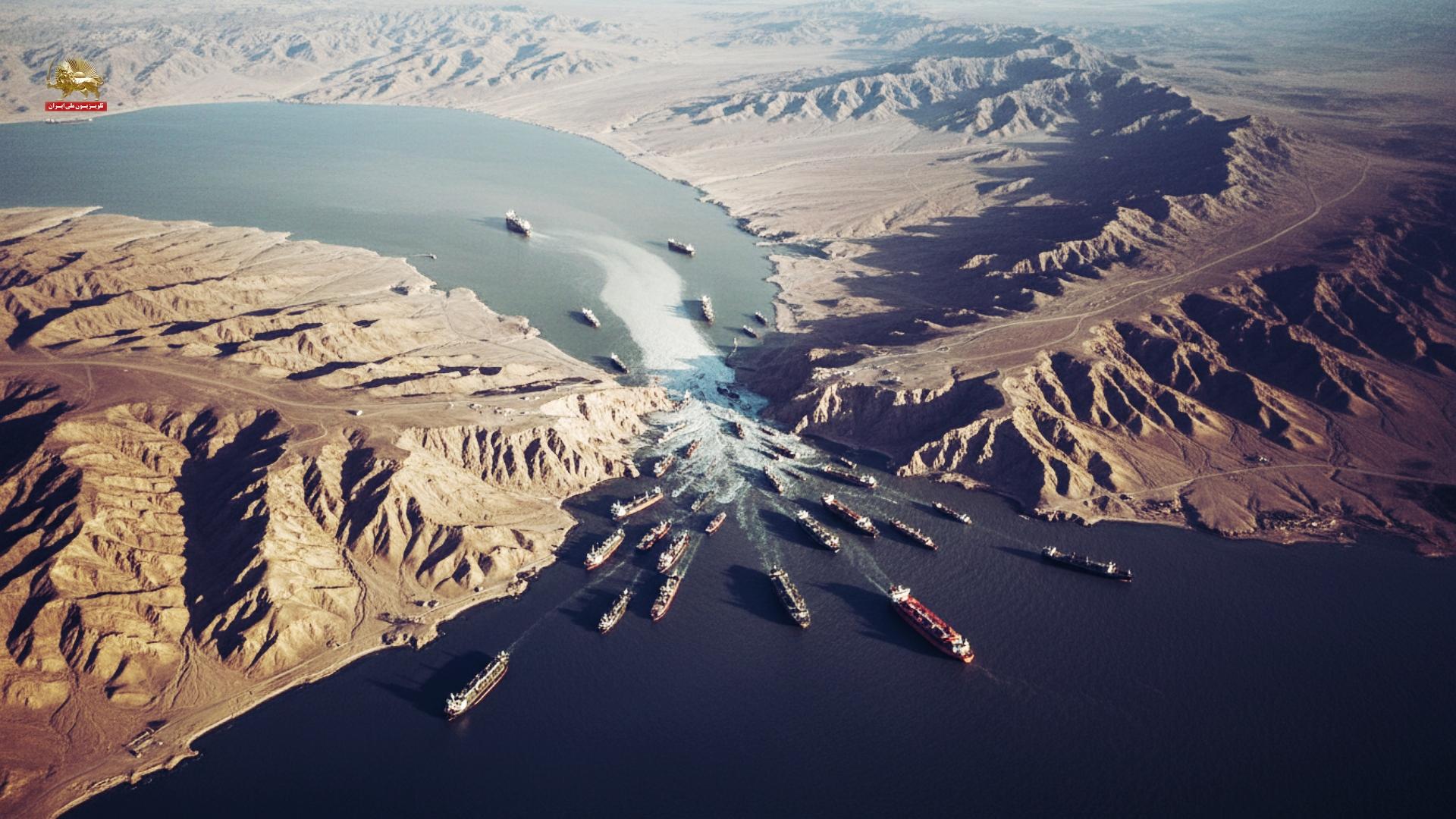
Abbas Araghchi and Prince Faisal Bin Farhan Discuss Regional Developments After US Attacks
11 sources compared

Trump Says U.S. Agreed to Continue Iran Talks, Ceasefire Is Over
19 sources compared