Iran Warns United States and Israel of Decisive Final Response After Trump’s Peace Proposal
Key Takeaways
- Iran says peace proposal seeks only legitimate rights, no concessions.
- Iran will respond immediately and decisively to any US or Israeli attack.
- Iran's defense ministry says the enemy must recognize its rights or suffer defeats.
Ceasefire strains, threats rise
President Donald Trump said the ceasefire with Iran is "on life support" after Iran's response to the latest U.S. peace proposal, and he called that response a "piece of garbage."
Trump also said he was scheduled to have a "long conversation" with Xi Jinping about Iran during his trip to China, with talks and public appearances set for May 14-15.

Iran’s defense ministry spokesman Brigadier General Reza Talaei-Nik said any enemy attack would be met with a "decisive, final, and regretful" response, and warned the United States and Israel must accept Tehran’s "legitimate rights" either on the battlefield or through diplomacy.
In Tehran, Talaei-Nik said the "American–Israeli enemy" must submit to the legitimate and definitive rights of the Iranian people, and that without securing those rights the enemy cannot escape the quagmire it has fallen into.
The Times of Israel reported Iran’s chief negotiator said the Islamic Republic is "ready to deliver a well-deserved response to any aggression" as negotiations with Tehran reached a dead end over the weekend.
Rights proposal and mediation
Iran’s Foreign Ministry spokesperson Esmaeil Baghaei said Tehran sought only its "legitimate rights" in a new peace proposal delivered to the United States through Pakistan, which has been mediating between the two sides.
Baghaei said Iran’s demands included "lifting the U.S. naval blockade on Iranian shipping" and "ensuring safe passage through the Strait of Hormuz," while Trump branded Iran’s terms for ending the war "totally unacceptable."
Radio Free Europe/Radio Liberty reported Pakistan’s role as a mediator faced renewed scrutiny after CBS reported on May 11 that Iranian aircraft were parked at a military base just outside Rawalpindi, with the Pakistani Foreign Ministry calling the reports "misleading and sensationalized."
In a social media post, U.S. Republican Senator Lindsey Graham said, "if this reporting is accurate, it would require a complete reevaluation of the role Pakistan is playing as mediator" between Iran and the United States.
The same RFE/RL report said there had not yet been any official comment from the White House or US State Department, even as it described the debate in Washington over whether Pakistan can maintain close security ties with the United States while preserving strategic relationships with America’s adversaries.
Human rights and executions
DW reported a surge of political prisoners in Iran amid the US-Israel war, quoting Mahmood Amiry-Moghaddam of the NGO Iran Human Rights saying "The near-daily executions of political prisoners" are particularly alarming.
Amiry-Moghaddam told DW that in 2025 his organization found Iran executed at least 1,639 people, a 68% increase compared to the previous year, and averaging in four to five executions per day.
DW also quoted UN Human Rights Chief Volker Türk saying more than 4,000 individuals have been arrested in Iran on national-security related charges since the latest US-Israel war began in February, with at least 21 executed.
The DW report said the X-user Sayed Ziaddin Nabavi, also known as Zia Nabavi, wrote, "I hardly dare imagine what the successive executions in the past days have done with the climate in the prison's political wards."
Radio Free Europe/Radio Liberty reported that Hamidreza Mohammadi said doctors cannot yet offer a definitive prognosis on Narges Mohammadi’s condition after she was transferred to a Tehran hospital, and he said her blood pressure had dropped to critically low levels during her hospitalization.
More on Iran
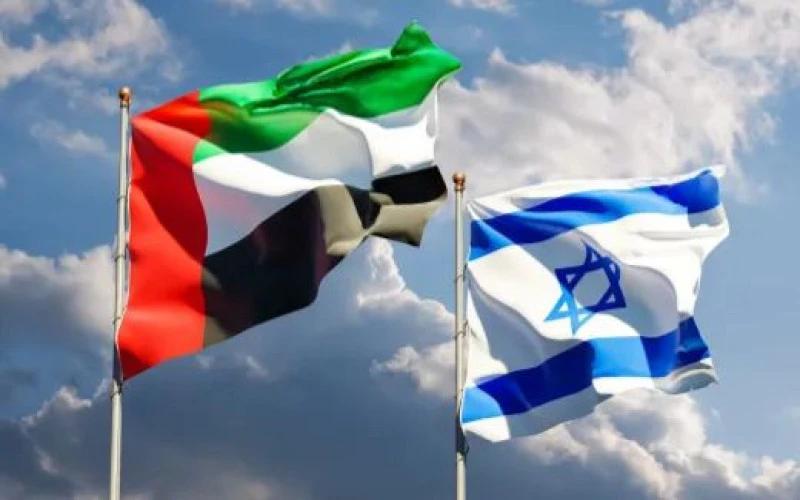
Mike Huckabee Says Israel Sent Iron Dome Batteries And Personnel To United Arab Emirates
15 sources compared

Donald Trump Meets Xi Jinping in Beijing to Discuss Iran War and Strait of Hormuz
56 sources compared
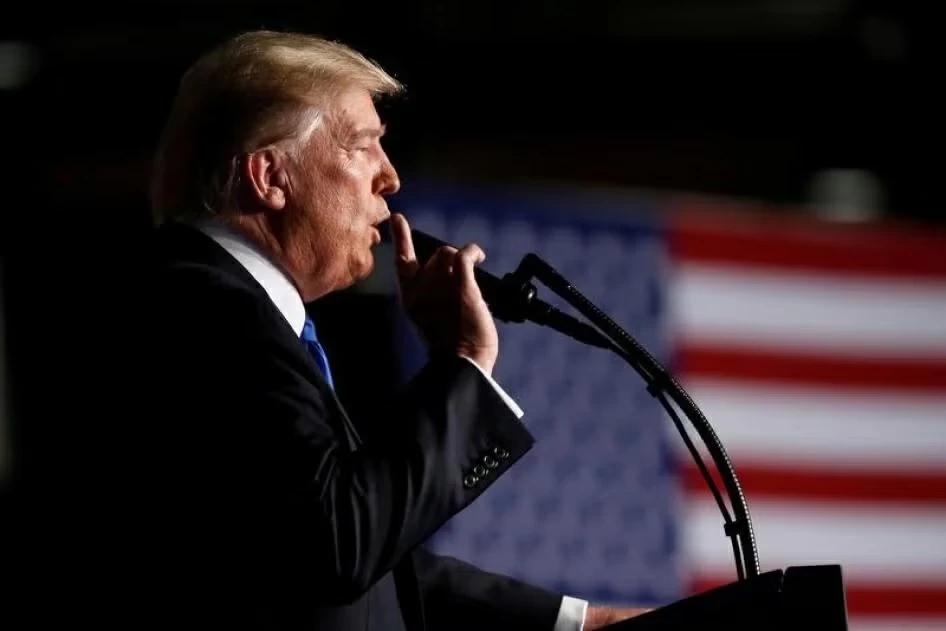
Trump Says Iran Ceasefire Is On Life Support After Iran Rejects U.S. Proposal
43 sources compared
Yoweri Museveni Sworn In For Another Five-Year Term In Kampala
16 sources compared