
Iranian Officials Reject Trump’s Hardliners Vs Moderates Claim, Say Battlefield And Diplomacy Coordinated
Key Takeaways
- Iranian leaders reject Trump’s claim of leadership rift, assert national unity.
- Iran says battlefield and diplomacy are fully coordinated fronts in the same war.
- Iran not seeking war, but ready to keep fighting, while pursuing talks.
Unity vs. Trump’s rift claim
Iran’s top officials moved in lockstep to reject U.S. President Donald Trump’s claim that Tehran is fractured between “hardliners” and “moderates,” and they tied that rebuttal to a broader message that battlefield action and diplomacy are coordinated fronts in the same war.
“Several Iranian officials have stressed that their country is united, rejecting United States President Donald Trump’s claims of a rift in the leadership in Tehran”
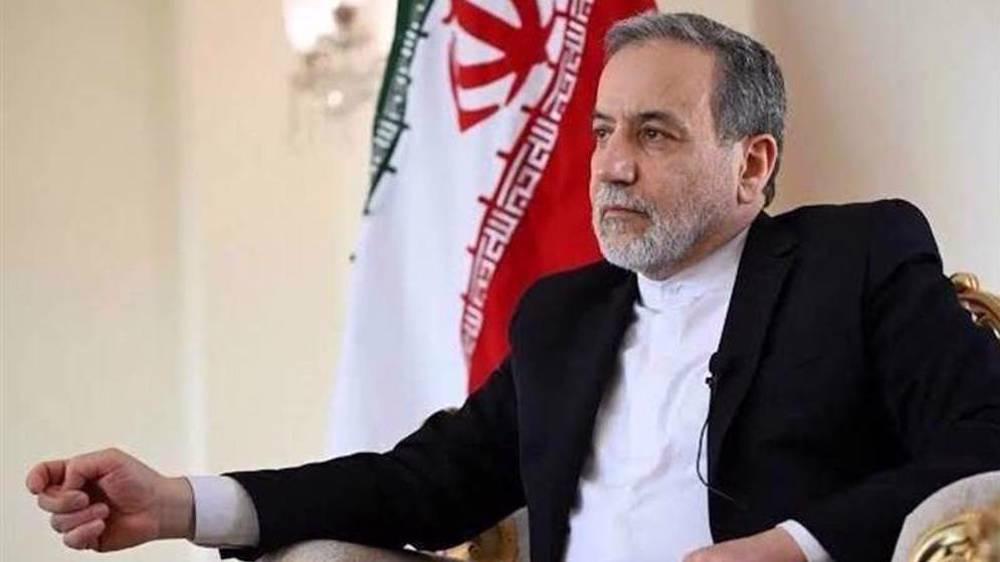
In a post on his X account late on Thursday, Iran’s Foreign Minister Seyyed Abbas Araghchi said, “The battlefield and diplomacy are fully coordinated fronts in the same war,” adding that “Iranians are all united, more than ever before.”
Newsweek described Trump’s framing as a rhetorical showdown during a “fragile diplomatic pause,” after Trump wrote on Truth Social that Iran was “having a very hard time figuring out who their leader is!” and that infighting was “between the ‘Hardliners,’ who have been losing BADLY on the battlefield, and the ‘Moderates,’ who are not very moderate at all.”
In response, Iran’s President Masoud Pezeshkian and Parliament Speaker Mohammad Bagher Ghalibaf issued a joint message on X accounts that said, “In Iran, there are no ‘hardliners’ or ‘moderates’. We are all ‘Iranian’ and ‘revolutionary’, with an iron unity between the nation and the state.”
Tabnak similarly reported that Iranian president, parliament speaker, and judiciary chief stressed, “With the iron unity of the nation and government, and with full obedience to Leader of the Islamic Revolution, we will make aggressor regret.”
The dispute is playing out alongside competing narratives over the ceasefire and the maritime standoff around the Strait of Hormuz and Iranian ports, with multiple outlets quoting both sides’ language about control, unity, and leverage.
Araghchi’s coordinated-war message
Iran’s Foreign Minister Abbas Araghchi framed the U.S.-Iran confrontation as a single integrated strategy in which diplomacy and military pressure move together, and he linked that message to the failure of Israeli actions.
PressTV said Araghchi stated that “the Israeli regime’s repeated terrorist assassinations have completely failed,” and it quoted him on X: “The failure of Israel's terrorist killings is reflected in how Iran's state institutions continue to act with unity, purpose, and discipline.”

Mehr News Agency likewise reported that Araghchi wrote on X late on Thursday that “The failure of Israel’s terrorist killings is reflected in how Iran's state instructions continue to act with unity, purpose, and discipline.”
In the same reporting, Araghchi emphasized that “The battlefield and diplomacy are fully coordinated fronts in the same war,” and he added that “Iranians are all united, more than ever before.”
PressTV expanded the framing by describing Araghchi’s view that “every response, whether military, scientific, or political, is part of a single, unified strategy to defend Iran’s sovereignty,” while also asserting that the “desperate and cowardly acts” by Israel “only reinforced the coordination between Iran’s defensive frontlines and its diplomatic efforts.”
Across the coverage, Araghchi’s statements were presented as part of a synchronized response by Iran’s top civilian and diplomatic leadership, with the same “unity, purpose, and discipline” language repeated in different reports.
Talks and war posture
Alongside the unity messaging, Iran’s ambassador to Moscow, Kazem Jalali, told RT that Tehran is prepared for both negotiations and fighting, arguing that Iran has not “betrayed” talks.
“Iran ready for both talks and war envoy RT”
In an exclusive interview with RT, Jalali said, “The general policy of the Islamic Republic of Iran is that if the other side is willing to negotiate, we will negotiate. If they want war, we will fight,” and he added that Iran has never been the side to abandon diplomacy despite “repeated stabs in the back.”
The RT-linked report also quoted Jalali contrasting U.S. behavior under President Donald Trump with Iran’s own approach, saying, “In the record of the US President, there was the tearing up of the JCPOA, and there have been two attacks against us while talks were ongoing.”
Jalali further argued that if the U.S. continues its approach, “it is natural that the Islamic Republic of Iran will fight,” but he said Tehran would still pursue “systematic negotiations with strong guarantees to establish lasting peace and to preserve and protect Iran's rights and compensate for our losses.”
The same RT report referenced Trump’s announcement that he was extending the ceasefire with Iran indefinitely while waiting for what he called a “unified response” from Tehran, and it described Tehran’s pushback against the narrative that Iranian leadership is fractured.
In parallel, Al Jazeera reported that Iranian officials stressed the talks were not happening due to the US blockade on its country’s ports, reinforcing Jalali’s position that negotiation depends on conditions set by Washington.
Hormuz and ports blockades
The rhetorical clash over leadership unfolded alongside a maritime standoff described in the reports as dueling blockades around the Strait of Hormuz and Iranian ports, with Trump and Iranian officials each portraying the other side as breaching ceasefire terms.
The RT-linked report said the standoff continues around the Strait of Hormuz, where Iran has tightened itsgripon global shipping and the US has imposed a naval blockade on Iranian ports, intercepting or turning away at least 30 vessels.

It also quoted Trump raising the stakes by saying he had ordered the U.S. Navy to “shoot and kill” any Iranian boats allegedly laying mines in the waterway, while Tehran considers the blockade a direct breach of the ceasefire.
Newsweek similarly described the U.S. enforcing a naval blockade on Iranian ports while Trump said he maintains total control over the Strait of Hormuz until Iran agrees to a deal, and it framed the ceasefire extension as time for Iran to produce a “unified proposal.”
Al Jazeera reported that Iranian officials said talks were not happening due to the US blockade on its country’s ports, and it also noted Trump’s repeated claims that Iran’s leadership is divided as a justification for extending the ceasefire while blaming Tehran for stalled diplomacy.
The Newsweek account added that Iran initially moved to restrict traffic through the Strait of Hormuz earlier this month following U.S. and Israeli strikes, and it said Tehran declared the strait closed again after the initial ceasefire announcement, citing the continued U.S. naval blockade as ongoing military aggression.
Ceasefire extension and next steps
The coverage ties Iran’s unity messaging to the immediate diplomatic timeline created by Trump’s decision to extend the U.S. ceasefire with Iran, while also emphasizing that the standoff remains tense and conditional.
“Senior Iranian officials issued coordinated public statements stressing national unity after President Donald Trump said infighting in Tehran was a key reason behind his decision to extend the U”
Newsweek reported that Trump extended the ceasefire and said it was intended to give Iran additional time to produce what he called a “unified proposal” to end the conflict, while U.S. forces continue enforcing a naval blockade on Iranian ports.
It also quoted Trump saying, “I don't want to rush it. I want to take my time. We have plenty of time,” and it included Trump’s description of the goal as “a great deal” where “our nation and the world is safe from lunatics with nuclear weapons.”
In the RT-linked report, Jalali said Iran would negotiate if the other side is willing, but he warned that if the U.S. wants war, “we will fight,” and he argued Tehran has never “betrayed” negotiations.
Al Jazeera reported that Iranian officials said the talks previously scheduled to take place in Pakistan are not happening due to the U.S. blockade on its country’s ports, keeping the diplomatic track stalled.
Finally, Al Jazeera reported that Israel’s Defence Minister Israel Katz said Israel was awaiting Trump’s green light to return Iran to the “age of darkness,” with the Israeli military “ready in defence and offence”.
More on Iran
Iran’s Revolutionary Guard Seizes MSC Francesca And Epaminondas, Takes Them Toward Bandar Abbas
13 sources compared
Abbas Araghchi Says Israel’s Assassinations Failed Against Iran’s Coordinated Resistance
13 sources compared

U.S. Seizes And Boards Iranian Oil Tanker M/T Majestic X In Indian Ocean
14 sources compared
Trump Orders U.S. Navy To Shoot And Kill Iranian Mine-Laying Boats In Strait Of Hormuz
27 sources compared