
Iranian Resistance Grows After US-Iran Peace Talks Collapse in Islamabad
Key Takeaways
- US-Iran peace talks collapsed, triggering Iranian resistance framing.
- Iranian officials frame resilience as response to external pressure.
- Public messaging emphasizes defiance, perseverance amid the talks' collapse.
Iranian Defiance
As US-Iran peace talks collapsed, a mood of resistance was detected within Iran.
“Oil prices surged past $100 following the breakdown of US-Iran negotiations in Islamabad”
Large billboards praising Iranian military achievements lined the streets of Tehran.

Citizens blamed the failure on the US's inappropriate demands.
Mehdi Hosseini said the negotiation team's refusal to retreat becomes the reason for hope.
The first peace talks ended without an agreement after more than 20 hours.
Pezeshkian's Defiant Address
President Pezeshkian declared the enemies' dream of forcing Iran to collapse did not come true.
He said the threat to target Iran's infrastructure represents their frustration.
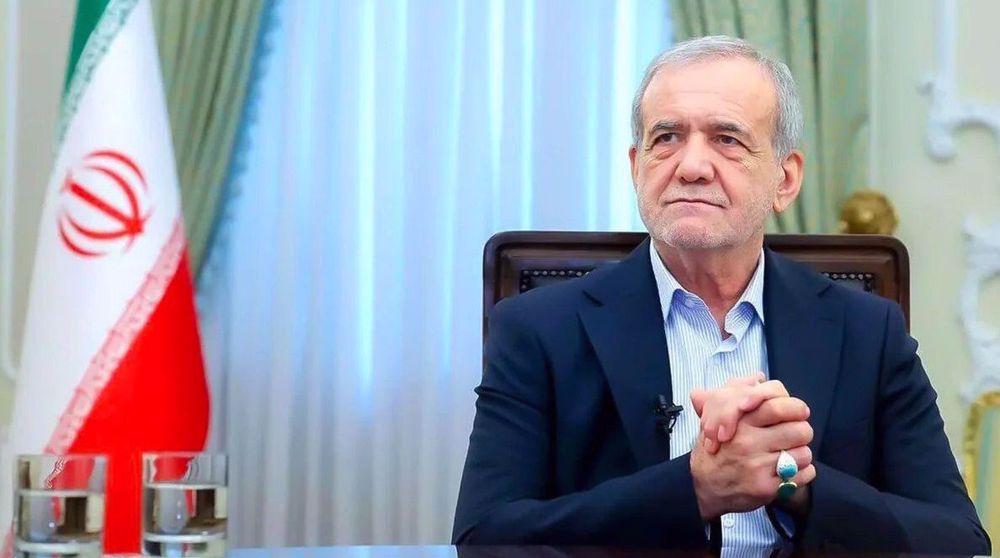
He appreciated the sacrifices of the armed forces.
He criticized human rights organizations for remaining silent on US-Israeli attacks.
The illegal US-Israeli aggression began on February 28.
Economic and Market Impact
Oil prices surged past $100 following the breakdown of US-Iran negotiations.
“EnglishWorld Iranians Vow Resistance as U”
Bitcoin's $100,000 target dropped from 36% to 32% before stabilizing.
The Bitcoin market remained sensitive to geopolitical shifts.
The breakdown in talks mattered but long-term impact was unclear.
Traders were advised to watch developments around the Strait of Hormuz.
More on Iran
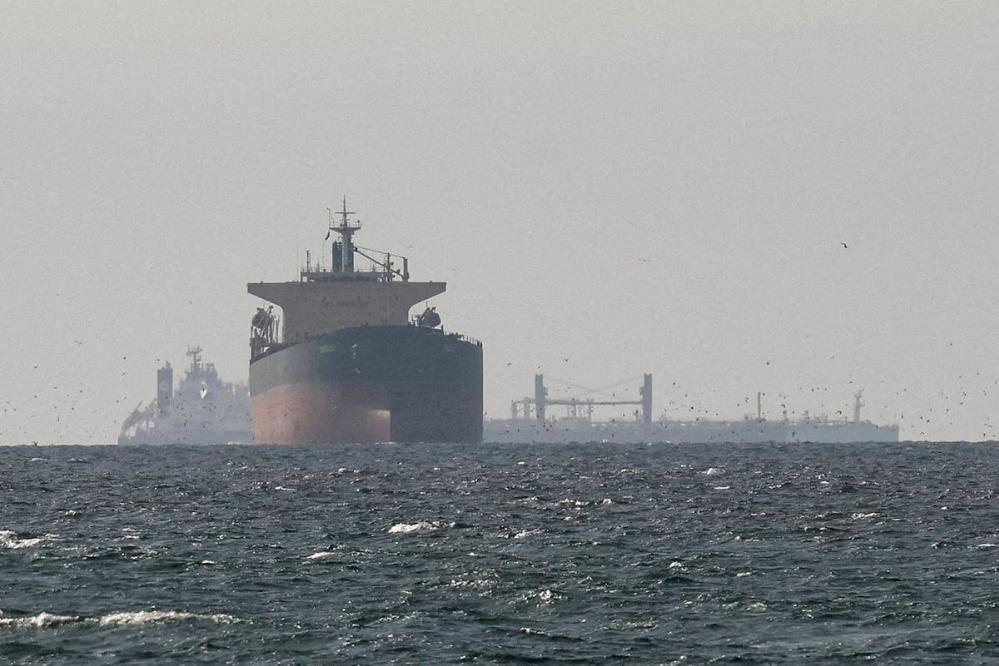
US Imposes Naval Blockade on Iranian Ports, Threatens to Destroy Warships
20 sources compared

Trump Orders U.S. Navy Blockade of Iran’s Strait of Hormuz Escalating Tensions
16 sources compared

U.S. and Israeli Attacks Cripple Iran's Economy, Trigger Massive Inflation and Job Losses
13 sources compared

Trump Threatens Cuba After Finishing War Against Iran
17 sources compared