Iran13 May, 20263 min read
Iranian Revolutionaries Took Racky Sekmen Hostage at U.S. Embassy in Tehran in 1979
This article is an automated aggregation of coverage from news outlets. Our editorials offer in-depth analysis curated by the NewsCord team.
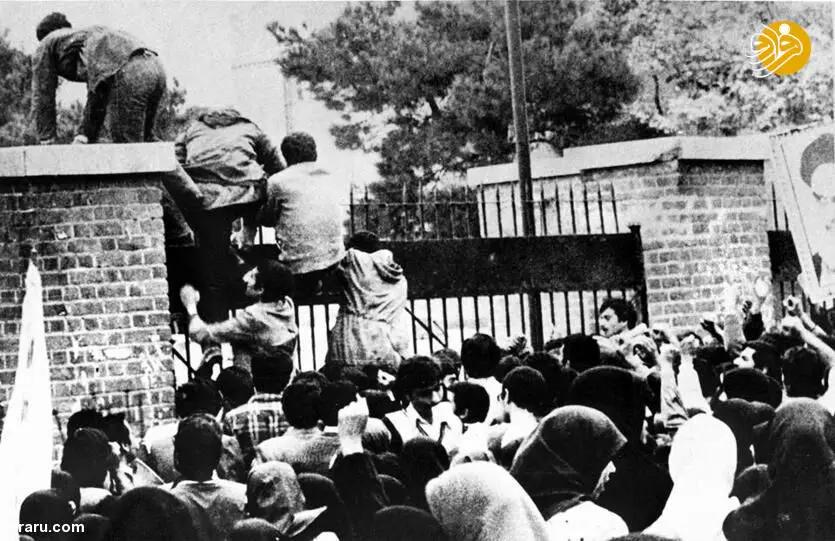
November 4, 1979, Iranian revolutionaries seized the U.S. Embassy in Tehran. Hostage counts differ: 52 (BBC) versus 66 (The Guardian).
Hostage crisis and aftermath
On November 4, 1979, Iranian revolutionaries took Racky Sekmen, a 22-year-old United States Navy gunner, hostage at the U.S. Embassy in Tehran along with 51 other Americans, and the crisis lasted 444 days.
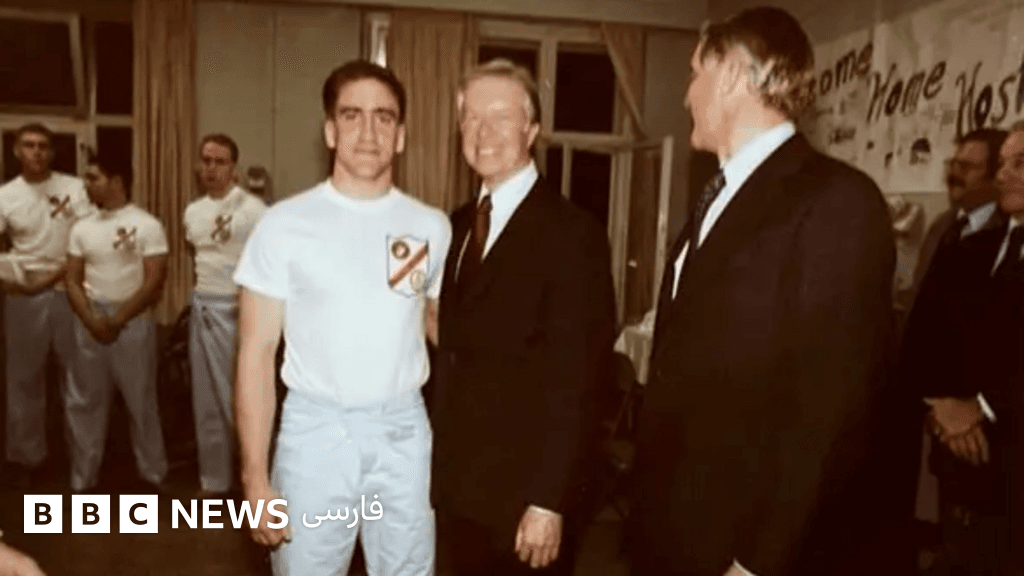
Sekmen later said, "He was a good man who sought a diplomatic solution," describing how Carter personally visited the hostages in Wiesbaden, Germany, the day after their arrival.
The PBS appraisal segment also described that "52 Americans were stripped of their freedom, their dignity and their pride," and that the Shah had fled in January of 1979 as the Islamic Republic of Iran was formed.
In the BBC account, Sekmen said the day Carter met him was "the happiest day of my life," and he described receiving a photograph and note from Carter after leaving the White House.
The BBC profile further ties the hostage crisis to Carter’s political fate, noting that only minutes after Reagan took the oath, the hostages were released, even though negotiations to free them had begun during Carter’s presidency.
Sanctions shaped by the crisis
Fararu says the hostage crisis helped shape U.S. sanctions policy toward Iran, reporting that shortly after the seizure of the U.S. Embassy in Tehran by Iranian students, the first official U.S. sanctions against Iran were imposed.
Fararu’s account cites Brookings note details that on November 14, 1979, "President Jimmy Carter signed Executive Order 12170, freezing Iran's assets in the United States," describing it as the first time a U.S. president used the International Emergency Economic Powers Act authorities.

The same Fararu piece says that today "eight executive orders have been issued against Iran," each beginning with a declaration of a national emergency and including sanctions on Iran.
It also reports that a study estimated that from 1980 to 1981 Iran suffered about $3.3 billion in sanctions-related losses, and that freezing assets effectively took about $12 billion of Iran's assets out of reach.
Fararu adds that the pressures persuaded Iranian officials to negotiate, and that after the Algiers Accords were signed, the hostages were released on January 20, 1981.
Hostage-taking as leverage
In coverage of a later incident, القاهـرة 24 describes how the downing of an American fighter jet over Iranian territory and the intensive search for one of its crew raised fears he could be captured, giving Iran leverage against the United States.
The article says the possibility of capturing the pilot recalls the 1979 hostage crisis, when hardline students seized the American Embassy in Tehran and held 52 Americans for 444 days.
Security affairs expert Hamid Reza Azizi, cited by القاهـرة 24, said Iran might follow two paths if it succeeds in capturing the pilot, including reaching out behind the scenes for a deal or staging him before cameras as a propaganda tool.
In the same piece, Azizi added that "the Iranians indeed want to project an image of victory, as well as humiliate Trump," and it notes that even if the crew member is rescued, the incident highlights risks of missions over hostile territory.
The article also reports that a U.S. Black Hawk helicopter taking part in the search came under ground fire on Friday but survived, and that a second A-10 Warthog attack aircraft crashed in the Persian Gulf region and its pilot was rescued.