Full story
Hormuz Control Clash
Iran’s Foreign Minister Seyed Abbas Araghchi said Tehran has made no decision yet on resuming negotiations with the United States, even as mediators Qatar and Pakistan exchange messages between the two sides.
“whether or not shipping traffic in the Strait of Hormuz resumes … depends on the fulfilment of other conditions that the United States must adhere to”
Araghchi said the Strait of Hormuz remains tied to conditions set by the United States, adding that “whether or not shipping traffic in the Strait of Hormuz resumes … depends on the fulfilment of other conditions that the United States must adhere to”.

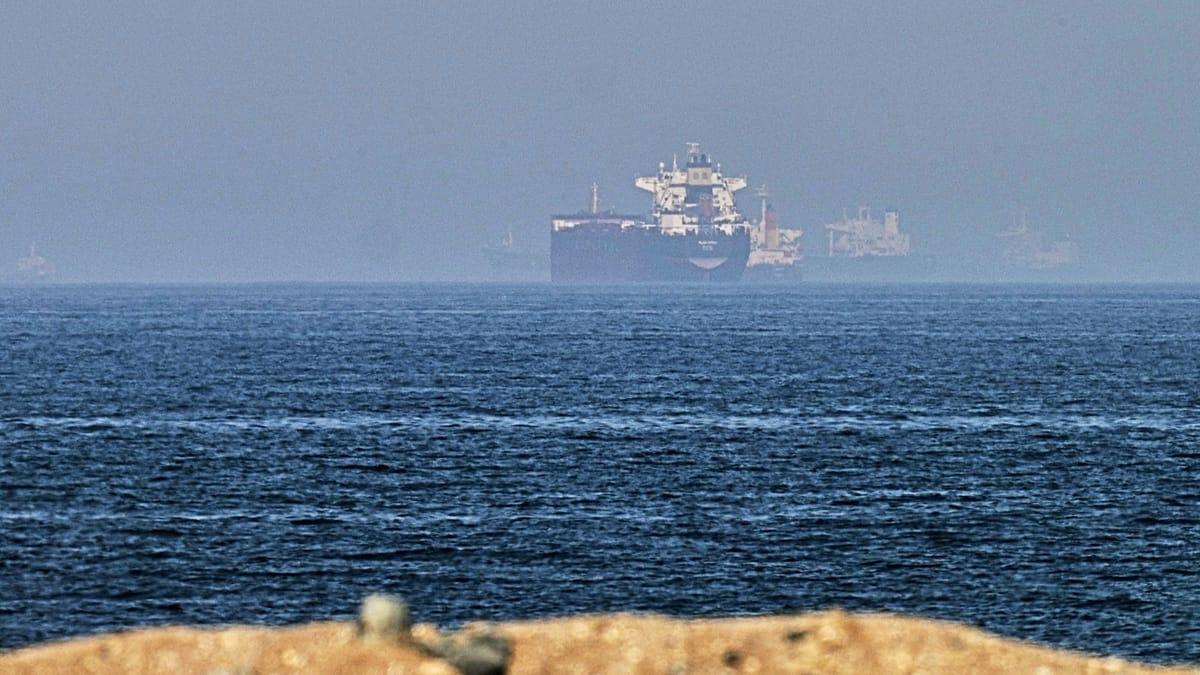
U.S. President Donald Trump, meanwhile, asserted “Right now we have total control of the Strait of Hormuz. They (the Iranians) do not control it. We have total control. It’s ours,” setting off a direct dispute over who manages the sea lane.
Iran’s Hossein Taeb, head of the Basij paramilitary forces allied with the Islamic Revolutionary Guard Corps, countered on state television that “Today, as you can see, the Strait of Hormuz is under the administration and control of the Islamic Republic, and our country continues on its path with full security,” according to ABC.
Mediation vs Talks
Araghchi stressed that intermediaries do not equal negotiations, saying “Intermediaries, both Qatar and Pakistan, exchange messages and are in contact with us, but this does not at all mean negotiations,” in remarks carried by akhbar-rooz.
A senior White House official described the relationship as “stalemated” on the verge of a 60-day deadline and said “At this moment, they have not done so,” referring to Iran’s willingness to come to the negotiating table, according to akhbar-rooz.

In a separate response to Trump’s claims, Iran’s deputy foreign minister for legal and international affairs Kazem Gharibabadi said on X that “The Strait of Hormuz has been Iranian, is Iranian, and will remain Iranian,” as quoted by Al Jazeera.
Al Jazeera also reported that Araghchi blamed the United States for the return to violence after a memorandum of understanding in Pakistan in June, while insisting Iran is working with Oman on a technical process for new shipping routes in the strait.
What’s at Risk Next
The dispute over Hormuz management is unfolding alongside a wider escalation in the Red Sea and Yemen, where AFP-linked reporting said Houthi Ansar Allah is preparing a “major military operation” to seize areas on Yemen’s western coast extending from al-Khoukha through al-Mokha to Bab al-Mandab.
“preparing to carry out a military operation to seize areas on Yemen’s western coast”
Iran’s Major General Mohammad Bagheri warned Gulf states that any aid or facilitation to the U.S. Army would be considered participation in American military operations against Iran, according to AFP reporting carried by Akhir Khbar.
In Yemen’s Taiz Governorate, Al-Sharq al-Awsat reported that an assault on Mokha Port left 4 soldiers and 3 civilians dead and 15 others wounded, while sources confirmed the downing of 11 drone aircraft.
The same report said the Yemeni Ministry of Transport warned the strikes caused extensive damage to Mokha Port’s infrastructure and that targeting a civilian and navigational facility would threaten trade and navigation in the Red Sea, as the standoff over Hormuz continues to shape regional shipping routes.