Full story
Hormuz talks near-final
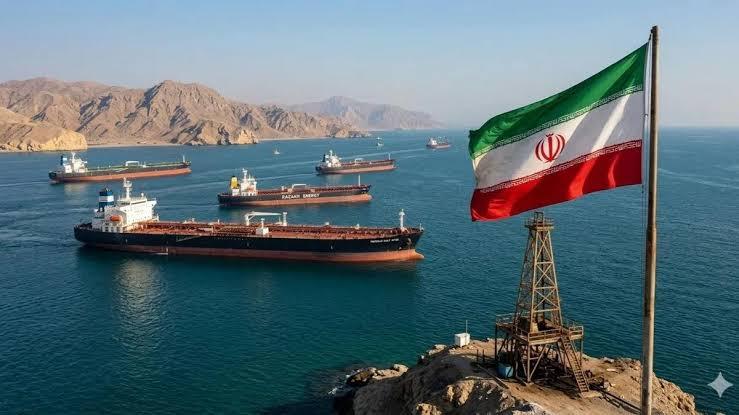
Iran and Oman are in the final stages of drafting an agreement on how to handle commercial shipping in the Strait of Hormuz, Tehran’s Foreign Ministry spokesman Esmail Baghaei said Wednesday.
“with the aim of determining a safe traffic route for commercial shipping in this strait”
Baghaei said the Persian Gulf neighbors have been engaged in their own talks for the past two months “with the aim of determining a safe traffic route for commercial shipping in this strait.”

U.S. President Donald Trump told reporters late Tuesday while traveling to Las Vegas that “A lot of progress has been made,” and he claimed a U.S. deal with Iran to reopen the strait “could happen” as soon as Wednesday or Thursday.
CNN reported that Iran’s deputy foreign minister cautioned that even a close agreement would still not automatically open the waterway, and it quoted Kazem Gharibabadi saying “This understanding does not, in itself, mean that the Strait of Hormuz will reopen.”
Denials, odds, and threats
CNN said a senior Gulf official put the odds of an Iran-Oman deal by Friday at “50-50,” while Iran’s deputy foreign minister Kazem Gharibabadi denied Wednesday that Iran is negotiating with the U.S. over the strait.
Gharibabadi told Iranian official media in a televised interview, “The US claim that negotiations with Iran are currently underway is false,” and he added, “There have been no negotiations.”
In parallel, CNBC reported that Trump again threatened that Iran will “get hit really hard” if the purported talks fall through, and it said U.S. Central Command insisted in an X post Tuesday that the “southern route through the Strait of Hormuz remains free and open for all commercial vessels seeking to transit the international waterway.”
CNN also reported that President Masoud Pezeshkian told state-run media that Iran is facing mounting pressure from sanctions and conflict, calling the current period “the toughest possible conditions in the history since the revolution,” and it quoted him saying, “The circumstances we face now are the toughest possible conditions in the history since the revolution.”
What reopening hinges on
The emerging framework described by CNN says the proposed arrangement would initially operate for two to four months or possibly longer, with temporary routes near Iran’s Larak Island and through Omani territorial waters closing.
“The proposed route would initially operate for two to four months or possibly longer”
CNN reported that Gharibabadi said the talks have continued for more than three weeks and produced broad agreement on inbound and outbound shipping routes, and it quoted him saying “The proposed route would initially operate for two to four months or possibly longer.”
CNBC said crossings through the strait remain sharply constrained and that the southern route passes through Omani territorial waters, while the U.S. and Iran trade competing claims about control and leverage.
The stakes extend beyond shipping because CNN tied the negotiations to broader efforts to revive diplomacy between Tehran and Washington, and it quoted Pezeshkian saying sanctions have steadily intensified and were followed by military confrontation, warning, “Then, they sanctioned our banks and our financial operations. Not satisfied with this, they launched a war.”