USA · 05 August, 2026 · 3 min read
Trump Warns Iran or U.S. Will Hit Hard as U.S. Seeks Hormuz Reopening Deal With Oman
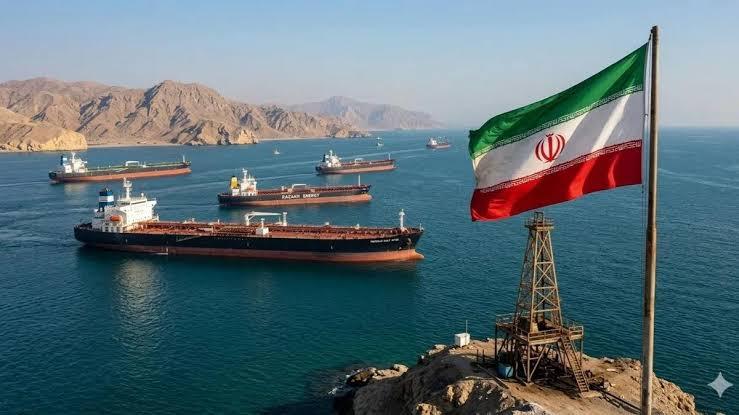
Trump warned Iran will be hit very hard if Hormuz remains closed. U.S. officials say talks between Iran and Oman show progress toward reopening Hormuz.
Whether US and Iran are negotiating directly.
10 of 12 outlets skipped it: iran demands linkage: reopening depends on war ending, not just deals.
The Guardian was read line by line by the Watchdog: 4.9. See the score →
12outlets compared
Same story, two versions
tap a side to read it in full
BBC
“Iran has said it is not negotiating with the US - and has no plans to do so -”Read the original ↗
Axios and BBC cite US involvement differently, while Iran denies it; attribution differs.
Hormuz deal nears
The U.S., Iran and Oman are closing in on an interim agreement to reopen the Strait of Hormuz, with the U.S. aiming for a Wednesday announcement, according to Axios and a U.S. official.A
“The U.S., Iran and Oman are closing in on an interim agreement to reopen the Strait of Hormuz”
Axios said the emerging deal would set up a 60-day temporary arrangement between Oman and Iran, with all inbound traffic going in a northern lane through Iranian waters and all outbound traffic going in a southern lane through Omani waters, in coordination with Iran.A

The BBC reported Donald Trump said the Strait of Hormuz would open "very soon" or Iran would be "hit very hard" as oil prices fell to a three-week low amid hopes of a deal.B
The BBC also said US Central Command (CentCom) stated that the "southern route through the Strait of Hormuz remains free and open for all commercial vessels seeking to transit the international waterway".B
In the same BBC account, Secretary of State Marco Rubio said there had been progress in talks on getting more ships through the strait with Iran and Oman, but "not finality yet".B
Quotes, denials, and mediation
Scott Bessent told CNBC that "there is a chance we may have a deal today or tomorrow to open the strait" as the Guardian described optimistic speculation that brought oil prices down 2% while the strait remained closed to shipping.
The Guardian said Qatari and Pakistani mediators were talking to both sides to close gaps and restore the ceasefire deal from the memorandum of understanding signed in mid-June, and it quoted Qatar’s foreign ministry spokesperson Majed al-Ansari saying the diplomatic contacts had reached "very progressive stages".

The BBC reported that Iran has said it is not negotiating with the U.S. and is instead talking to Oman, while a spokesman for Iran’s foreign ministry said talks with Oman had been positive.B
In the BBC account, Rubio said talks had progressed but that "not finality yet," and it added that Qatar said it was continuing efforts with other mediators but admitted no direct talks were currently planned.B
The Guardian also noted that Tehran quickly denied it was involved in any direct talks with the U.S., even as the U.S. and Qatari officials said progress was being made restoring a ceasefire and reopening the strait.
What’s at stake next
The BBC framed the stakes in economic terms, saying Brent crude fell by almost 5% to under $80 as supply disruptions potentially eased, while it also reported that the failure of previous talks has left a volatile oil market with motorists hit by higher fuel prices.B
“"These negotiations, taking place between the two coastal countries of the strait of Hormuz"”
The BBC said the Strait of Hormuz handled about one-fifth of global daily oil and liquified natural gas supplies before the conflict began in late February, and it reported that Iran has halted most traffic through the Strait while the U.S. has imposed a naval blockade of Iranian ports.B
In the Guardian account, the strait remained closed to shipping even as a cargo vessel was reportedly struck by an unidentified projectile off Oman’s coast close to the strait, with UKMTO reporting the strike on Monday night but not naming the vessel.
The Guardian described a contentious issue over whether Iran would charge transiting vessels tolls or other fees during a 60-day negotiating period, while it said the Omani government has been resisting the proposal out of fear it could become permanent and give Tehran an enduring say over sea routes in Omani waters.
The Guardian also quoted an Iranian state-run broadcaster, saying: "These negotiations, taking place between the two coastal countries of the strait of Hormuz, are focused on determining safe routes for ships to transit".