USAupdated 1h ago3 min read
Archive photoDOJ Sends Target Letters, Subpoenas in Alaska Senate Race Probe Targeting Marc Elias
“an indication that the department is working towards bringing federal charges”
“does not mean an individual will ultimately face federal charges.”
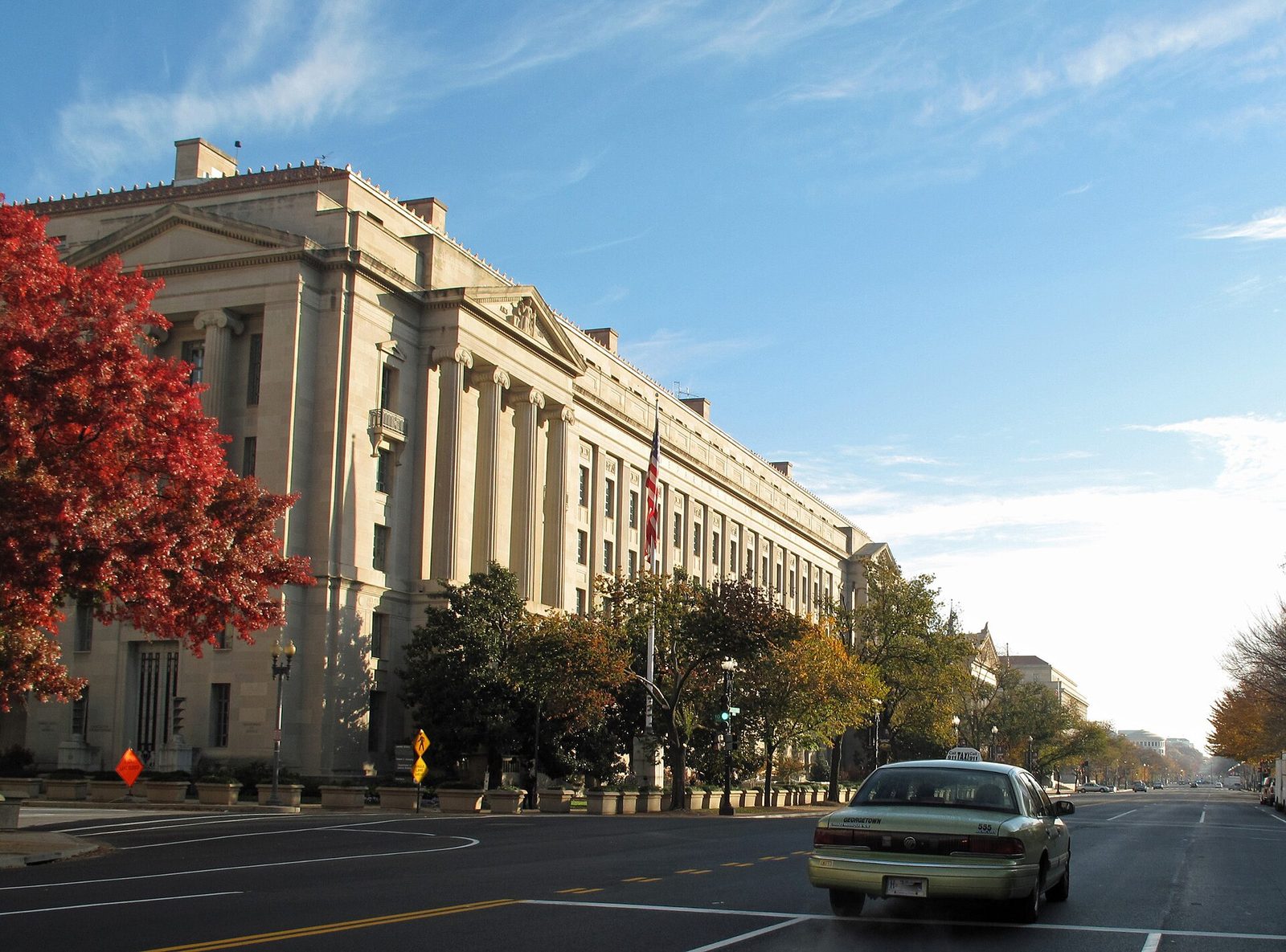
Photo: VOA / US federal government, Public domain · Cropped for layout
This article is an automated aggregation of coverage from news outlets. Our editorials offer in-depth analysis curated by the NewsCord team.
DOJ issued target letters to Democrats linked to Alaska ballot recruitment scheme. Prosecutors have issued more than 100 subpoenas related to the Alaska Senate race probe.
Save coverage image
DOJ targets Alaska race
The Justice Department escalated its criminal investigation into the Alaska U.S. Senate race by issuing more than 100 subpoenas and at least twenty target letters and preservation notices, according to ABC News sources.
Marc Elias said in a statement, "No one should be surprised that President Trump's Department of Justice is targeting me and my law firm on Election Day," as prosecutors moved to alert Democrats they believed were involved in recruiting Daniel J. Sullivan, a retired teacher, to be on the ballot with incumbent Republican Dan S. Sullivan.
The Justice Department sent target letters to more than a dozen people it believed helped recruit a Senate candidate with the same name as the Republican incumbent in Alaska, as the letters warned recipients to preserve documents, records, and communications.
Michael Heyman said at a press conference Friday that the New York Times report gave investigators new material, and CNN reported that the department had issued more than 100 grand jury subpoenas and preservation letters.
The Justice Department sent letters to a top Democratic election lawyer and other Democrats informing them they could be targets in a federal investigation into efforts to get an Alaska man with the same name as Republican senator Daniel Sullivan on the ballot.
Elias and Heyman respond
Marc Elias told CBS News, "We will not be intimidated by a sham investigation," as the investigation involved prosecutors from the Civil Rights Division's criminal section and was led by the U.S. Attorney's Office in Alaska.
Michael Heyman publicly disclosed the existence of an investigation into whether operatives for Democratic Senate candidate Mary Peltola helped recruit independent candidate in a bid to confuse Republican voters, and Heyman said, "We're not escalating anything except to the extent that a new article came out."
The New York Times said the investigation intensified after it reported that allies of Mary Peltola were behind an effort to get someone with the same name as the incumbent senator from Alaska on the ballot to confuse voters, and the department was investigating possible donor fraud and conspiracy charges.
FBI agents began visiting the homes of Daniel J. Sullivan's campaign donors in the remote Alaska island he lives on, asking people if they knew which Dan Sullivan they donated to.
The Department cannot discuss ongoing investigations, as the letters were described as unusual and early in the process.
What is at stake
The Justice Department's Alaska probe focused on possible conspiracy and donor fraud related offenses, ABC News reported, and the Guardian said a federal grand jury in Alaska was investigating potential conspiracy and donor fraud.
The New York Times said the investigation intensified after it reported that allies of Mary Peltola were behind an effort to get someone with the same name as the incumbent senator from Alaska on the ballot to confuse voters, and it said the department was investigating possible donor fraud and conspiracy charges.
Trump made public statements denouncing Elias and suggested that the "Dumocrats" were trying to steal the race by putting a "FAKE Daniel J. Sullivan, Jr." on the ballot, while the DOJ letters told recipients they could be targets or asked them to preserve records.
Alaska voters will elect a new senator on Tuesday in a tightly contested race, and it described a preferential voting system where votes are redistributed until a new senator is elected if no candidate obtains more than 50% of the votes.
If results in Alaska are contested or the race turns out to be extremely close, the identity of the party that will control the Senate could remain unknown for several days after Tuesday's vote, and it said Democrats need four more seats than they currently hold to flip the U.S. Senate.