USAupdated 59m ago3 min read
Archive photo · 10 October 2021Judge Trina Thompson Orders Trump Administration To Stop Threatening Election Workers Over Ballots
“Local and state officials have even incorporated planning for potential federal intervention into their preparations for Election Day.”
“Officials have spent months considering what that might look like: a last-minute executive order, ballot seizures, federal agents at the polls”
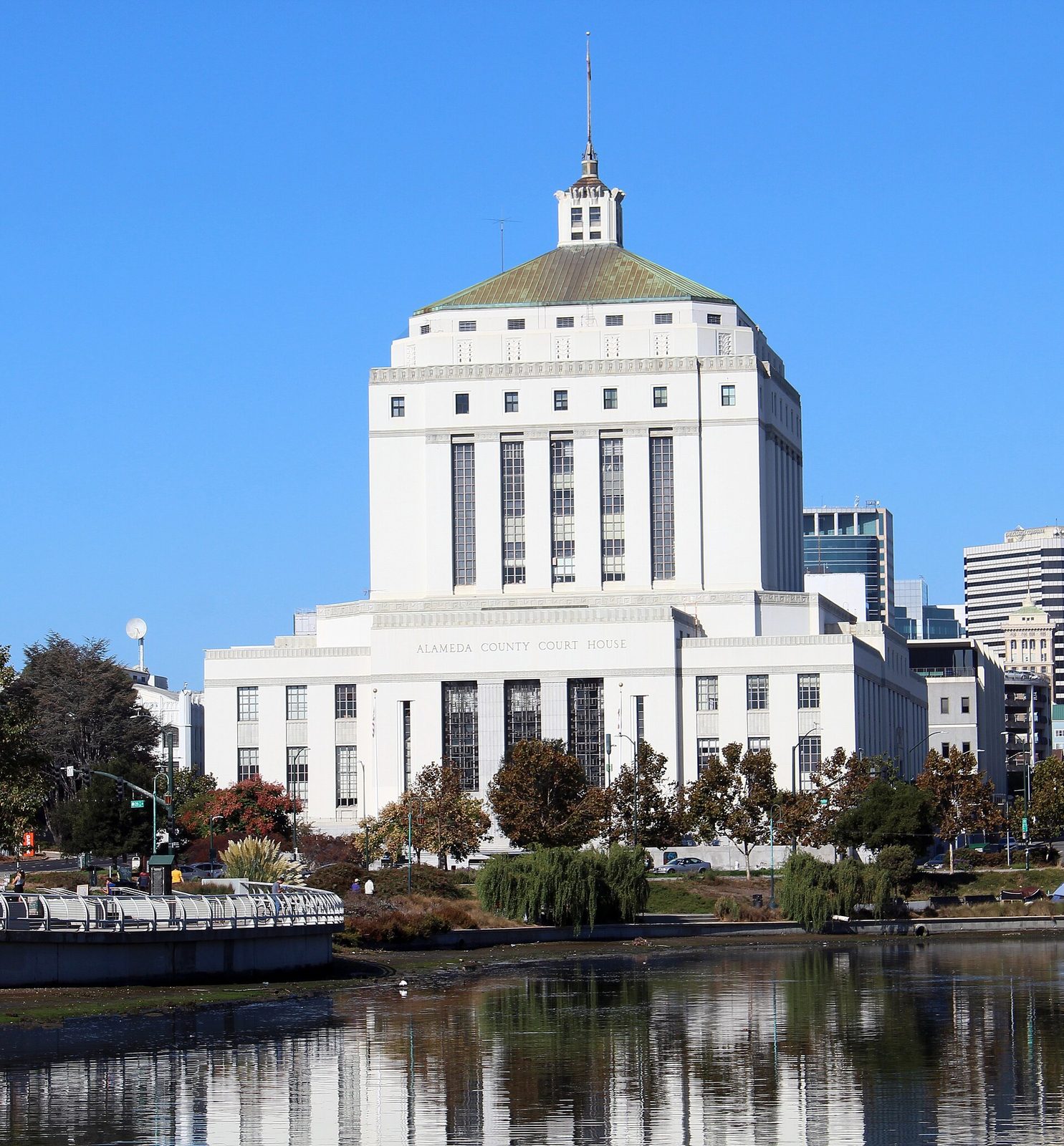
Photo: Coolcaesar, CC BY-SA 4.0 · Cropped for layout
This article is an automated aggregation of coverage from news outlets. Our editorials offer in-depth analysis curated by the NewsCord team.
Federal judge ordered DOJ to stop threatening election officials over processing ballots. Ruling prohibits DOJ from pressing criminal charges against officials for carrying out duties.
Save coverage image
Federal threats meet court orders
A federal judge ordered the Department of Justice to stop demanding that local and state election officials set aside or not process certain ballots that the Trump administration alleges may come from non-citizens. Judge Trina Thompson wrote that the administration’s actions were likely to have the effect of interfering with election administration and disenfranchising lawful voters, and she ordered the administration to halt their actions. The justice department sent letters to the secretary of state and Los Angeles County Registrar demanding they set aside the ballots of 20,000 registered voters whom the Trump administration "believe" are "likely" non-citizens, according to court documents.
“Judge Trina Thompson ordered the administration to halt their actions.”
The Protect Democracy lawsuit argued that the threats violate federal laws that prohibit efforts to "intimidate, coerce, or threaten" election workers, and it asked the court to put a stop to the administration’s efforts to intimidate election workers and interfere with state and local administration. The Protect Democracy complaint said a federal judge rejected the administration’s threats and wrote that it "would wreak havoc and disrupt the election that is already underway" and "create a chilling effect on election workers and voters alike".
Local preparations for worst cases
Election officials across the United States spent months preparing to run the 2026 vote and bracing for threats that could stretch beyond Election Day, with Maricopa County Supervisor Thomas Galvin saying, "Lately we have to take into account really horrible, worst-case scenarios, whether that is outside actors or foreign actors."
Minnesota Secretary of State Steve Simon said, "Sadly, a new hazard on the list this time that’s never been on the list before is the possibility that our own federal government would try to interfere somehow, directly or indirectly," as local officials drilled poll workers and coordinated with local police.
San Diego County Registrar Shawn Brom instituted training for thousands of volunteer poll workers on how to respond if U.S. Immigration and Customs Enforcement agents appear near voting booths, and Brom said, "We are aware of the intimidation that could occur at voter sites."
Brom hired 600 to 800 temporary employees and trained another 2,500 volunteer poll workers, and the article described two-day workshops that included tools to de-escalate volatile situations.
The New York Times quoted Tina Barton saying, "Any incident that does happen is quickly mitigated because they already have a game plan for it," as local and state officials emphasized they were prepared for Election Day.
Security, information gaps, and stakes
Channels through which federal officials communicate foreign threats to election officials were at their weakest point since the 2016 elections, and Ryan Macias said, "The relationship between election officials and the federal government has deteriorated." David Becker said, "I don’t know a single election official—Democrat or Republican—who is actively sharing cybersecurity information with the federal authorities this time," contrasting the current situation with "the four previous federal elections." Americans would vote Tuesday in the 2026 midterm elections after a year in which President Trump used the levers of the federal government to bolster unsubstantiated claims of election fraud, and local and state officials incorporated planning for potential federal intervention into their preparations.
Newsweek said the stakes extend beyond which party controls Congress, because the credibility of close or disputed results depends on whether ballots can be traced, physical records preserved, vote totals checked, and irregularities distinguished from evidence of actual fraud. Daniel Schatz said, "Elections are administered by thousands of state and local officials," and multiple layers of checks including paper records, bipartisan procedures, post-election audits and judicial review were described.