
Technology and Scienceupdated 1h ago2 min read
Archive photo · 5 October 2018The New York Times Sues Brave Software Over Paywall Bypass And AI Copyright Claims
“the lawsuit paints a picture of a black hat company that exploits the work of publishers.”
“These are allegations contained in court filings, not established facts.”
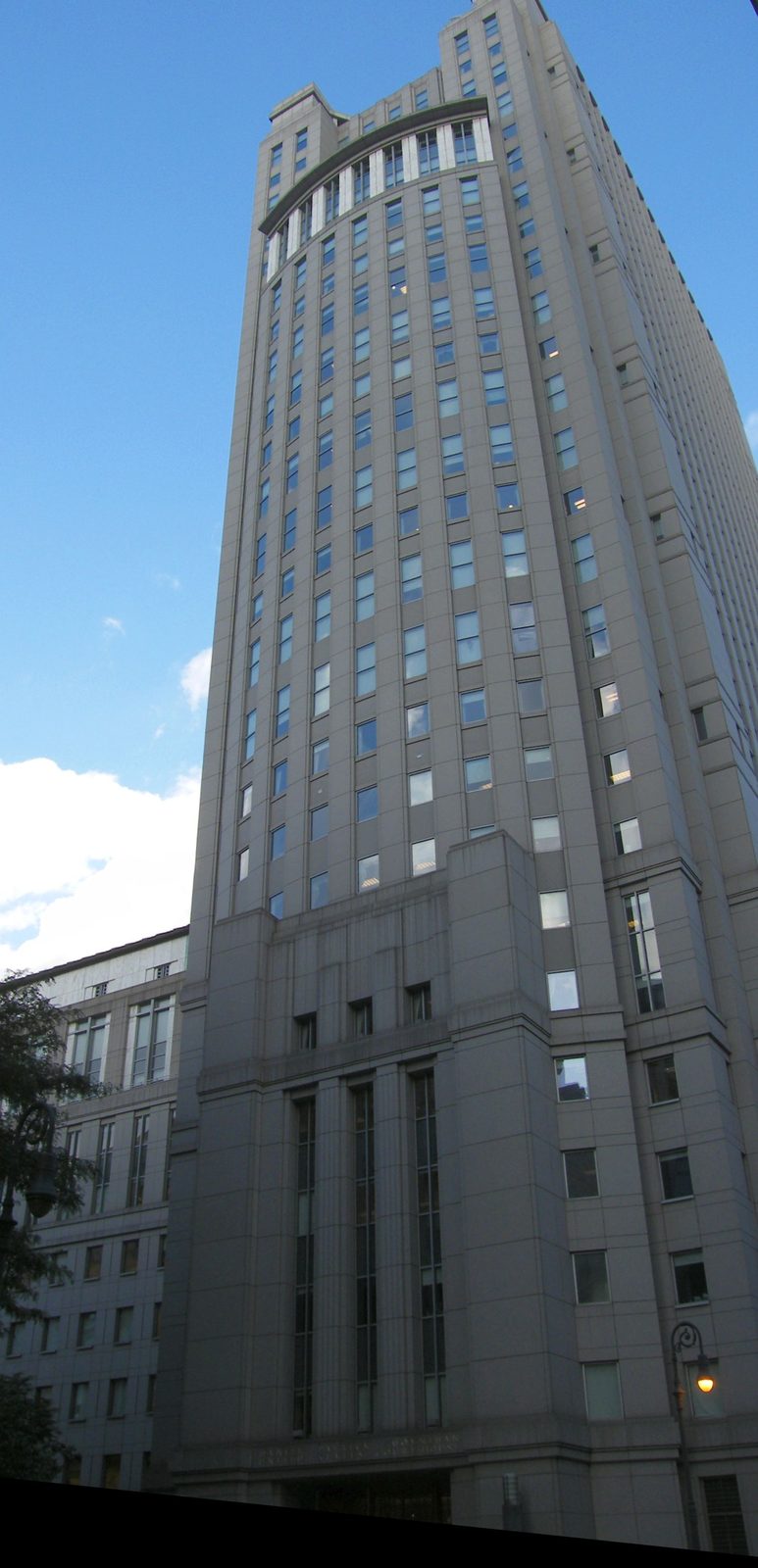
Photo: Jim.henderson, CC BY-SA 3.0 · Cropped for layout
This article is an automated aggregation of coverage from news outlets. Our editorials offer in-depth analysis curated by the NewsCord team.
The New York Times and publishers sue Brave in Manhattan federal court for copyright infringement. Lawsuits allege Brave bypasses paywalls and sells access to AI companies.
Save coverage image
NYT sues Brave
The New York Times and other newspaper companies sued Brave Software in US District Court for the Southern District of New York, alleging that Brave illegally bypasses paywalls and sells stolen news content to AI companies. The New York Times alleged that Brave is “a contributory and vicarious infringer when it deliberately induces, facilitates, controls, and profits from its users’ and GenAI customers’ copying of the copyrighted content.”
The lawsuit said Brave “has made more than $100 million by copying and reselling publishers’ work without consent or permission,” while “publishers have received nothing.” The New York Times also accused Brave of violating the Digital Millennium Copyright Act by circumventing technological measures, including a browser setting that “causes the browser to go behind website paywalls and provide the paywalled content to the user.”
Named AI partners
The New York Times lawsuit alleged that Brave “sells stolen copyrighted content to AI companies,” naming Anthropic, Perplexity, Mistral, xAI, and Cohere as recipients of the content. The complaint said “AI companies pay Brave to provide them with real-time online content from the Brave search index,” and it described that content as used “to train their own AI models” and “to respond to specific user queries.”
Perplexity’s Jesse Dwyer rejected the accusations, saying, “The New York Times is overpaying its attorneys and underpaying its journalists.” Brave, Anthropic, and xAI did not immediately respond to requests for comment on the complaints, while the New York Times spokesperson Graham James said Brave “has flouted established copyright law and ignored repeated requests by The Times to stop its infringing conduct.”
Paywalls, ads, and court
The lawsuits targeted a Brave browser feature described as a paywall bypass, and they also accused Brave of blocking publishers’ advertising while showing its own ads.
The New York Times lawsuit said Brave “blocks advertising that would otherwise appear on The Times’s website, and instead shows its own ads,” and it alleged that the arrangement deprives The Times of digital advertising revenue.
The New York Times sought a preliminary injunction and damages, and the filings described Brave as acting as both a “provider, trafficker, and distributor of stolen copyrighted content” for AI companies.
The cases were filed as New York Times Co v. Brave Software Inc, US District Court for the Southern District of New York, No. 1:26-cv-09549, and Daily News LP v. Brave Software Inc, US District Court for the Southern District of New York, No. 1:26-cv-09554, with Steven Lieberman of Rothwell Figg Ernst & Manbeck listed for the news outlets.