Technology and Scienceupdated 1h ago2 min read
MapxAI Installs Eight Converted Jet-Engine Power Units for Colossus 2 Near Memphis
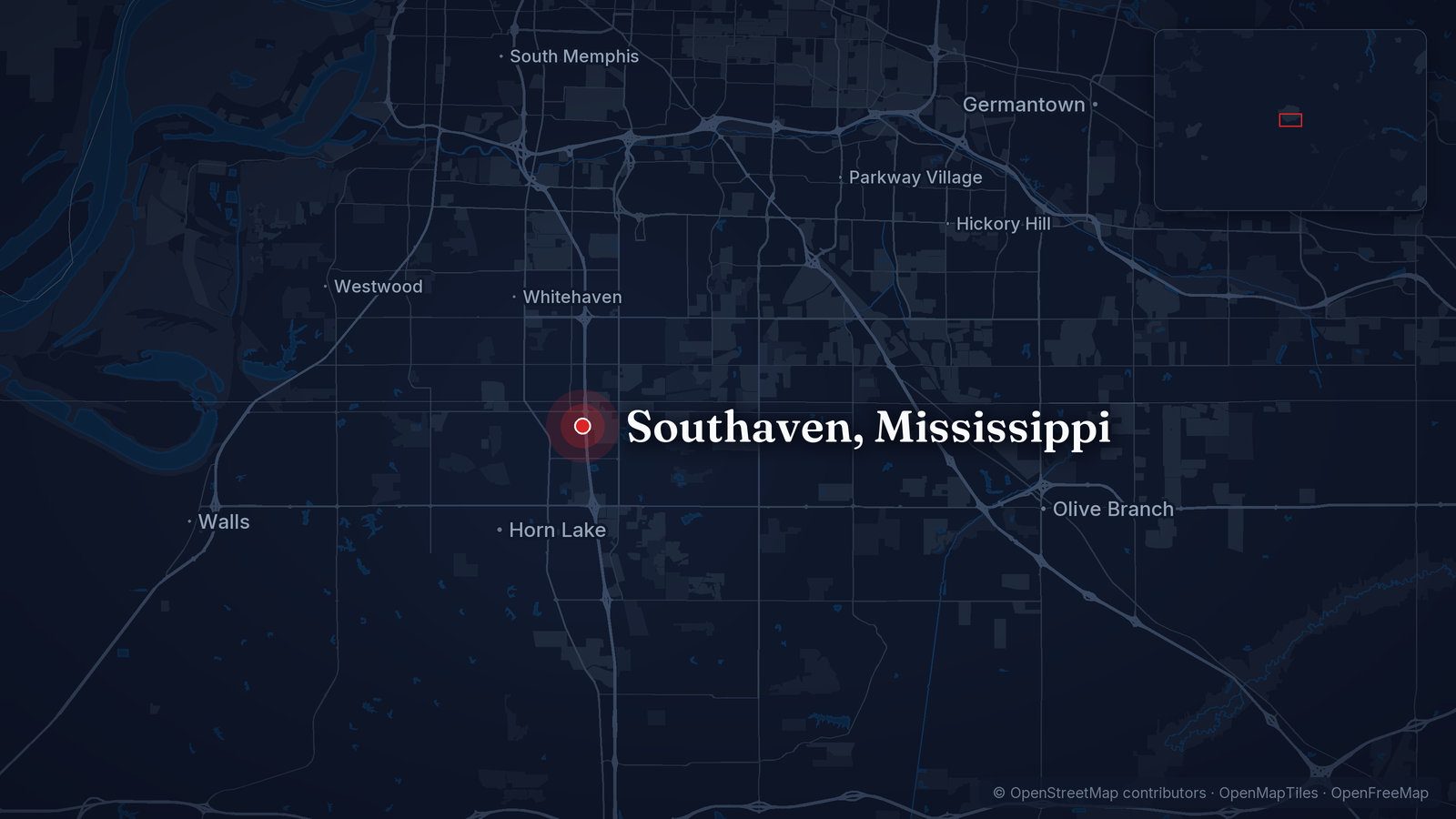
2 Other2 Western Mainstream1 Local Western1 Western AlternativeMap: © OpenStreetMap contributors, ODbL · Cropped for layout
This article is an automated aggregation of coverage from news outlets. Our editorials offer in-depth analysis curated by the NewsCord team.
Eight converted jet-engine power units installed at Colossus 2 near Memphis to supply electricity Grid-connection delays drive xAI to self-generate power with natural-gas turbines
Save coverage image
6 outlets told this the same way.
xAI powers Colossus 2
xAI installed eight converted jet-engine power units at its plant in Southaven, Mississippi, to supply the Colossus 2 data center complex near Memphis, Tennessee. ProEnergy rebuilt the engines, which started life as General Electric CF6-80C2 engines, to run on natural gas rather than jet fuel, and each unit produces approximately 50 megawatts. Mississippi regulators issued permits covering the jet-engine units on March 11, 2026, and the permits allow a 25% higher limit for volatile organic compounds.
The New York Times reported the deployment on Tuesday, November 3, 2026, after an investigation that drew on satellite imagery, and the reporting described the units as feeding Colossus 2 as grid delays push AI companies to build their own electricity supply. The legal and environmental fight around the permits includes appeals filed by the NAACP and the Southern Environmental Law Center, and a federal judge rejected xAI’s motion to dismiss on October 30, 2026.
Speed to power, faster waits
TechCrunch tied the shift to long grid-connection and turbine wait times, saying some AI data centers are making their own electricity with converted jet engines. Audun Martinsen, a Rystad Energy analyst, told the Times that “It’s all about getting power as fast as possible,” and he added that with jet-powered units, “they can have a data center running in 24 months.” The International Energy Agency estimated that hooking up 100 megawatts to the grid in Northern Virginia takes about seven years, and TechCrunch said most power capacity is expected to come on by 2031.
The New York Times described the broader context in Arizona’s Sonoran desert, where thousands of retired aircraft sit in “boneyards,” and it quoted Bill Kleyman, chief executive of Apolo, saying “How fast can you get me energy?” President Trump told reporters in August that “Data centers now are mandated by me that they build their own electricity, so they’re not taking it from the grid.”
Permits, emissions, and lawsuits
The permits for xAI’s eight converted turbines allow for higher pollutant limits, and Tom’s Hardware said the turbines expel carbon monoxide while environmentalists warn that the use of jet engines is “a step in the wrong direction.” The Southern Environmental Law Center argued that xAI failed to provide guarantees that the jet-powered turbines meet emissions standards for specific pollutants, including formaldehyde, and it accused xAI of “undercounting” projected emissions. Tom’s Hardware said the group challenged Mississippi’s decision to approve the turbines for use at xAI’s data center, and it noted that the same group previously sued xAI over its use of gas generators without required permits in an area with more than 100,000 inhabitants.
Crypto Briefing reported that the converted engines may emit double the carbon monoxide permitted for the other turbines at the site, along with 25% more volatile organic compounds. FourWeekMBA framed the demand side of the same power bottleneck by citing GE Vernova’s filing, which showed customers ordered 57 aeroderivative turbines in the three months to 30 September, up from 9 a year earlier.