Iran’s IRGC Coordinated Transit Of 26 Vessels Through Strait Of Hormuz In 24 Hours
Key Takeaways
- Iran's Persian Gulf Strait Authority regulates Hormuz transit and imposes tolls on ships.
- Authority expands control over Hormuz waters into UAE and Omani territorial areas.
- Transits must obtain authorization before passage under the new regime.
Hormuz Transit Claim
Iran’s Islamic Revolutionary Guard Corps said it coordinated the transit of 26 vessels through the Strait of Hormuz in the past 24 hours, as talks between Washington and Tehran over resuming traffic remain stalled.
The statement carried by Iran’s state-affiliated ISNA news agency said, “Traffic through the Strait of Hormuz is being carried out with permission and in coordination with the IRGC Navy,” on Wednesday.

Iran’s Persian Gulf Strait Authority (PGSA) then published a new map of Hormuz on X, marking a controlled maritime zone that vessels will not be able transit without its authorisation.
The authority said the zone stretches from Kuh-e Mubarak in Iran to south of Fujairah in the United Arab Emirates, and from the tip of Qeshm Island to Umm al-Quwain at the western entrance.
The BBC reported that Iran’s newly-created “Persian Gulf Strait Authority” claims “Iranian armed forces oversight” across more than 22,000 sq km (8,800 sq miles), extending into the territorial waters of Oman and the UAE.
UAE Rebuke, US Stance
The UAE rejected Iran’s move, with the BBC reporting that the UAE described Iran’s claims of control as “nothing but fragments of dreams.”
In the same BBC report, the diplomatic adviser to the UAE president, Anwar Gargash, said Iran is “trying to consecrate a new reality born from a clear military defeat, but attempts to control the Strait of Hormuz or encroach on the UAE's maritime sovereignty are nothing but fragments of dreams.”

The BBC also said the US has told ships not to comply with Iran’s rules, while under the United Nations Convention on the Law of the Sea ships are guaranteed safe passage through another country’s waters.
Separately, DW said U.S. Secretary of State Marco Rubio argued that a diplomatic solution would not be possible if Tehran implements a transit-fee regime in the Hormuz Strait, adding that “There are some good indicators.”
DW also quoted President Donald Trump saying, “We want it open, we want it free. We don't want fees. It is an international waterway.”
Uranium, Fees, and Escalation
Beyond Hormuz, the sticking points in Tehran-Washington talks included Iran’s enriched uranium and Tehran’s control of the Strait of Hormuz, according to a senior Iranian official speaking to Reuters.
In remarks to reporters at the White House, Trump pledged, “We will obtain it. We do not need it, and we do not want it. We may destroy it after obtaining it, but we will not allow them to possess it.”
DW said two senior Iranian sources told Reuters that Supreme Leader Mojtaba Khamenei issued a directive ordering not to transfer uranium, nearly pure enough to make nuclear weapons, abroad.
DW also reported that Marco Rubio said a transit-fee regime would be “completely unacceptable, and it would impede any diplomatic agreement if Iran continues pursuing it.”
The BBC added that Centcom said it had redirected 94 commercial ships and disabled four vessels since the US blockade of Iranian ports came into effect on 13 April, while US forces boarded an Iran-bound oil tanker on Wednesday and released it after searching and directing the crew to alter course.
More on Iran
Iran Condemns Donald Trump’s One Shot Threat Against Ali Khamenei Funeral Leaders
11 sources compared
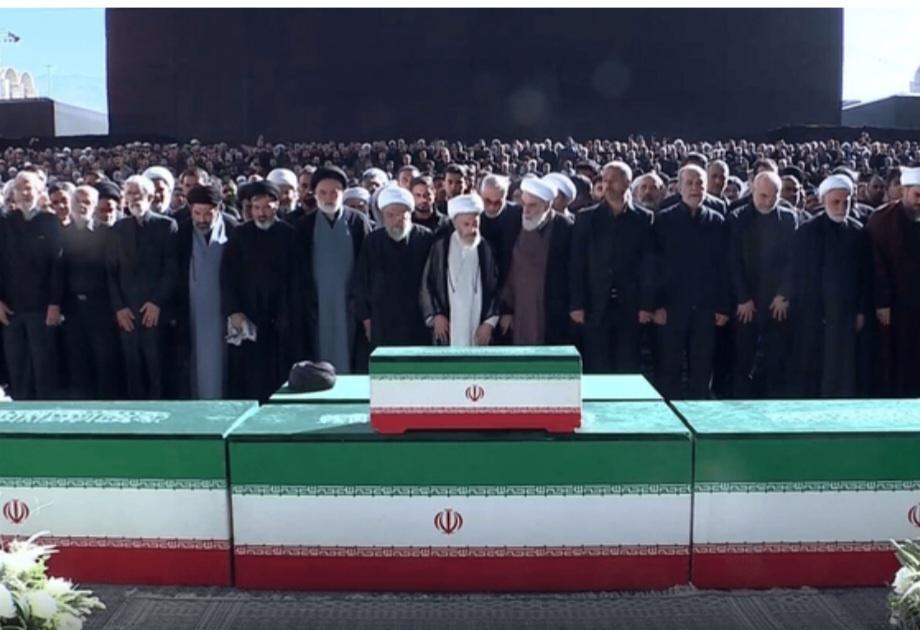
Iran Holds Week Of Ceremonies For Ayatollah Ali Khamenei Funeral In Tehran After US-Israeli Airstrike
12 sources compared
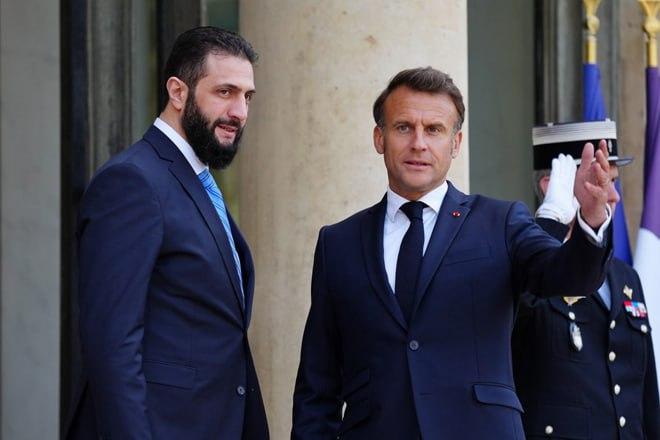
Emmanuel Macron Expected To Visit Damascus To Reinforce Economic Cooperation With Syria
24 sources compared

Trump Tells Axios Netanyahu Knows Who the Boss Is Ahead of White House Meeting
18 sources compared