Full story
Strait Attacks Disrupt Talks
A tanker caught fire off the coast of Oman on Monday night after being struck by an “unknown projectile” in the Strait of Hormuz, according to the United Kingdom Maritime Trade Operations (UKMTO).
“A tanker caught fire off the coast of Oman on Monday night after being struck by an “unknown projectile” in the Strait of Hormuz, according to the United Kingdom Maritime Trade Operations (UKMTO)”
Separately, Axios cited two unnamed US officials saying Iran’s Islamic Revolutionary Guard Corps (IRGC) fired at least two missiles at commercial ships transiting through the strait on Monday night, and the report added that two ships suffered significant damage but there were no casualties.

The attacks come as sensitive peace negotiations continue between the United States and Iran to bring a lasting end to their war, which began on February 28, and one key sticking point in the talks is the Strait of Hormuz, which Iran effectively closed to shipping after US-Israeli strikes began.
The UKMTO reported early on Tuesday that the tanker was struck on its port side while moving southbound about 8 nautical miles (15km) off the coast of Limah in Oman, causing a fire, and Iranian television reported claims that the LNG tanker came under attack after ignoring warnings.
Reuters reported that three unidentified sources said the ship was a Qatari tanker called Al Rekayyat carrying liquefied natural gas (LNG), and that the crew were safe while the ship sent out distress signals when it was hit.
Retaliation and Negotiation Strain
The U.S. Central Command said Tuesday it launched a "series of powerful strikes" on Iran in response to Iranian attacks on three commercial vessels in the Strait of Hormuz, targeting air defenses, radar sites and anti-ship missile sites, as well as dozens of small boats used by Iran's Revolutionary Guard.
A U.S. official told NBC News that the attacks were carried out specifically because of Iranian strikes on ships in the strait, saying, "This response is a direct result of the acts of international terrorism that have been perpetrated by Iran on innocent ships transiting the Strait of Hormuz."

President Donald Trump said Wednesday he believes the ceasefire and interim agreement to end the war with Iran are now “over,” while he said he would allow negotiators to continue talks but that it was “just a waste of time dealing with them.”
Iran’s foreign ministry said that U.S. and Israeli actions had “rendered key and fundamental elements of the agreement to end the war ineffective,” and NBC News reported that Iran had yet to comment on whether it considered the ceasefire or interim agreement over.
Iran’s Parliament Speaker Mohammad Bagher Ghalibaf wrote on X, "The era of bullying and extortion is over. It leads nowhere. We don't fold."
Diplomacy, Routing, and Stakes
As attacks raise unease among shipowners, Kpler said in an X post on Monday that traffic in the Strait of Hormuz over the weekend showed “resilience” with a total of 108 verified crossings, including 43 crossings on July 3, 34 on July 4 and 31 on July 5.
The Al Rekayyat incident was described by UKMTO as occurring about 8 nautical miles (15km) off the coast of Limah in Oman, and Reuters reported that a fire in its engine room may put the ship at risk of exploding.
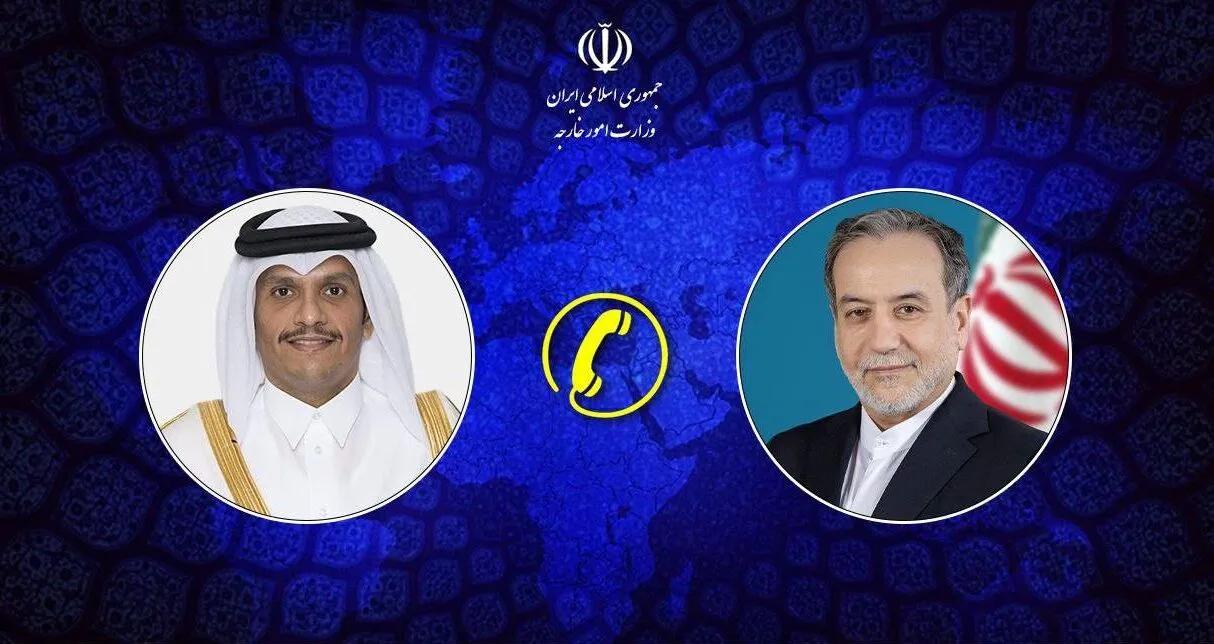
In Doha, Qatar and Pakistan mediated indirect technical talks between the United States and Iran, and a Pakistani foreign ministry statement posted on Thursday said the talks concluded with “positive” progress and that “Parties have agreed to continue discussions over the coming period.”
The Qatar foreign ministry spokesperson Dr. Al Ansari said Qatar’s position is based on respect for international maritime law and described the strait as an international waterway, while also saying the first phase of understandings focuses on mine clearance and ensuring safe navigation through the Strait of Hormuz.
Time Magazine reported that the memorandum of understanding stipulates that the strait would reopen, toll free, for 60 days, and it said negotiations to advance the MOU were stalled amid a six-day period of mourning for Ayatollah Ali Khamenei, who was killed in the U.S.-Israeli airstrikes that started the war on Feb. 28.