Full story
Threats amid Lebanon war
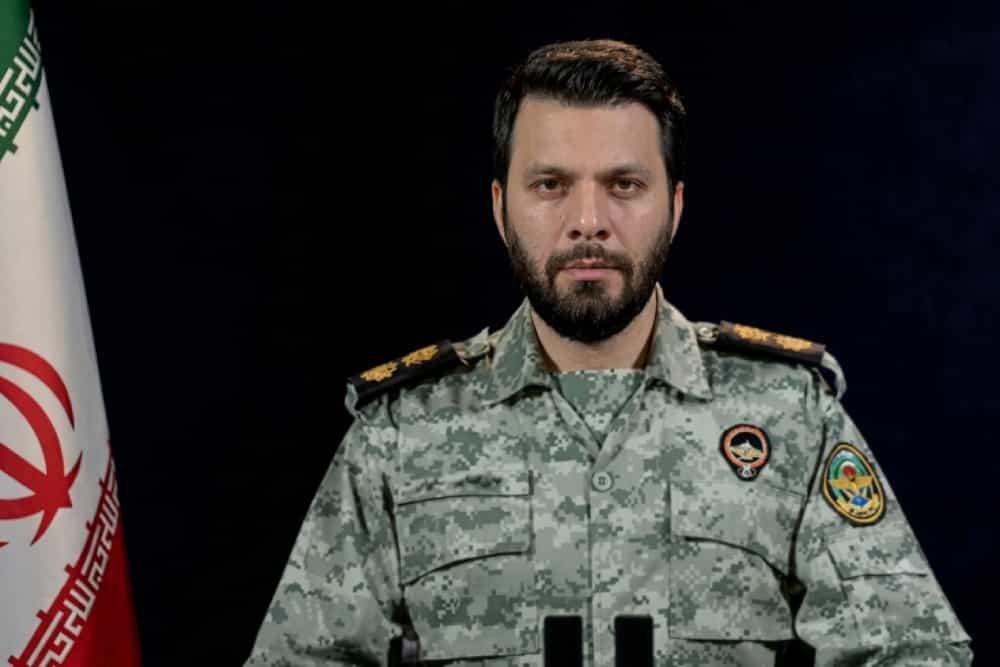
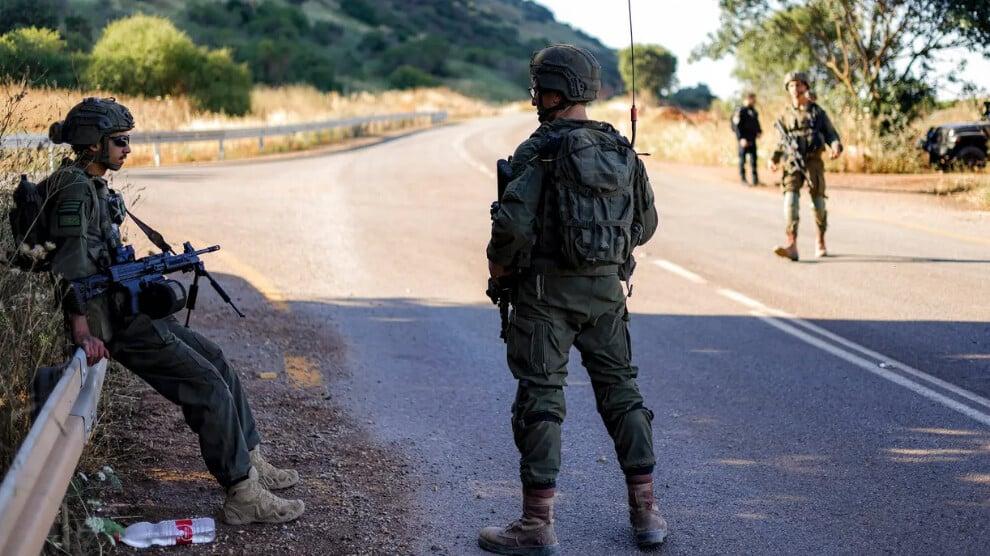
Iran’s Khatam al-Anbia Central Headquarters threatened a “strong response” to Israel if Israeli attacks on Lebanon continue, accusing Israel of violating the ceasefire “84 times in southern Lebanon over the last two days.”
“Latest news Economy and Banking: Finance Minister: 'Very pleased to see all Egyptians come together to support the Egypt national team' Sports and Stadiums: 'Thanks to its advanced sports infrastructure, ministers: Egypt is a global destination for hosting major sports championships' Egypt News: 'Abu Al-Azim' reshapes the Supreme Council for State Claims Egypt News: Education denies forming an independent committee to evaluate chemistry exam questions Egypt News: 'Minister of Local Development and the Environment' discusses the investment plan for the new fiscal year Egypt News: Qanso: Egyptian universities are moving toward global status through international branches and strategic partnerships Egypt News: 'New President of the State Council' reshapes the administrative affairs department Economy and Banking: Minister of Petroleum inspects the ENPI project in the UAE and confirms: Egyptian companies have become a trusted partner in implementing major energy projects in the region Egypt News: National Council for People with Disabilities warns of fundraising pages collecting money by illegal means Sports and Stadiums: The Egypt national team delegation arrives in Dallas in preparation for facing Australia”
The statement tied the warning to tensions between Iran and Israel as “the memorandum of understanding between Iran and the United States is expected to be signed on Friday in a ceremony in Switzerland.”
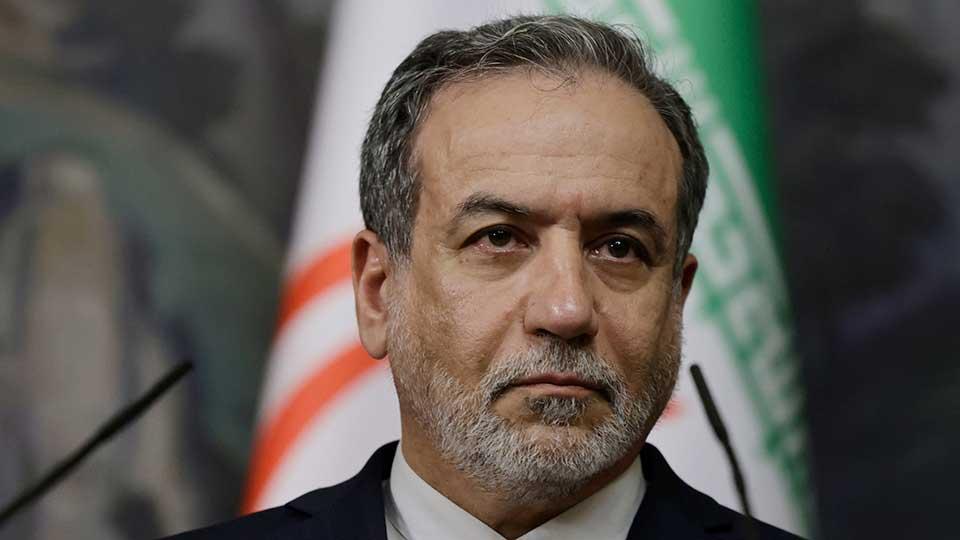
Iran’s Foreign Minister Abbas Araghchi said that “from today any attack on Lebanon would be considered a violation of the memorandum's terms,” while Israel continued “artillery and drone strikes against southern Lebanon.”
In Tehran, Mehr News Agency reported that Major General Ali Abdollahi warned the United States, Israel and their allies to avoid “miscalculation,” threatening “harsh and regret-inducing” responses to any threat during the funeral message for Ayatollah Seyyed Ali Khamenei.
Deterrence and negotiations
Ali Abdollahi, the commander of Iran's Khatam al-Anbiya Central Command, said the martyred leader “elevated Iran's deterrent power to its peak” through missile and drone capabilities, strategic scientific advances and strengthening national security.
Shafaq News reported that during Khamenei’s funeral, Iran warned the United States and Israel of a “harsh and immediate” response to any military attack, with Abdollahi urging them to weigh the retaliation the armed forces would mount.
In response to the same funeral-period warnings, Iranian Foreign Minister Abbas Araghchi said Tehran would act “immediately and forcefully” against any threat to the Iranian people or its leadership.
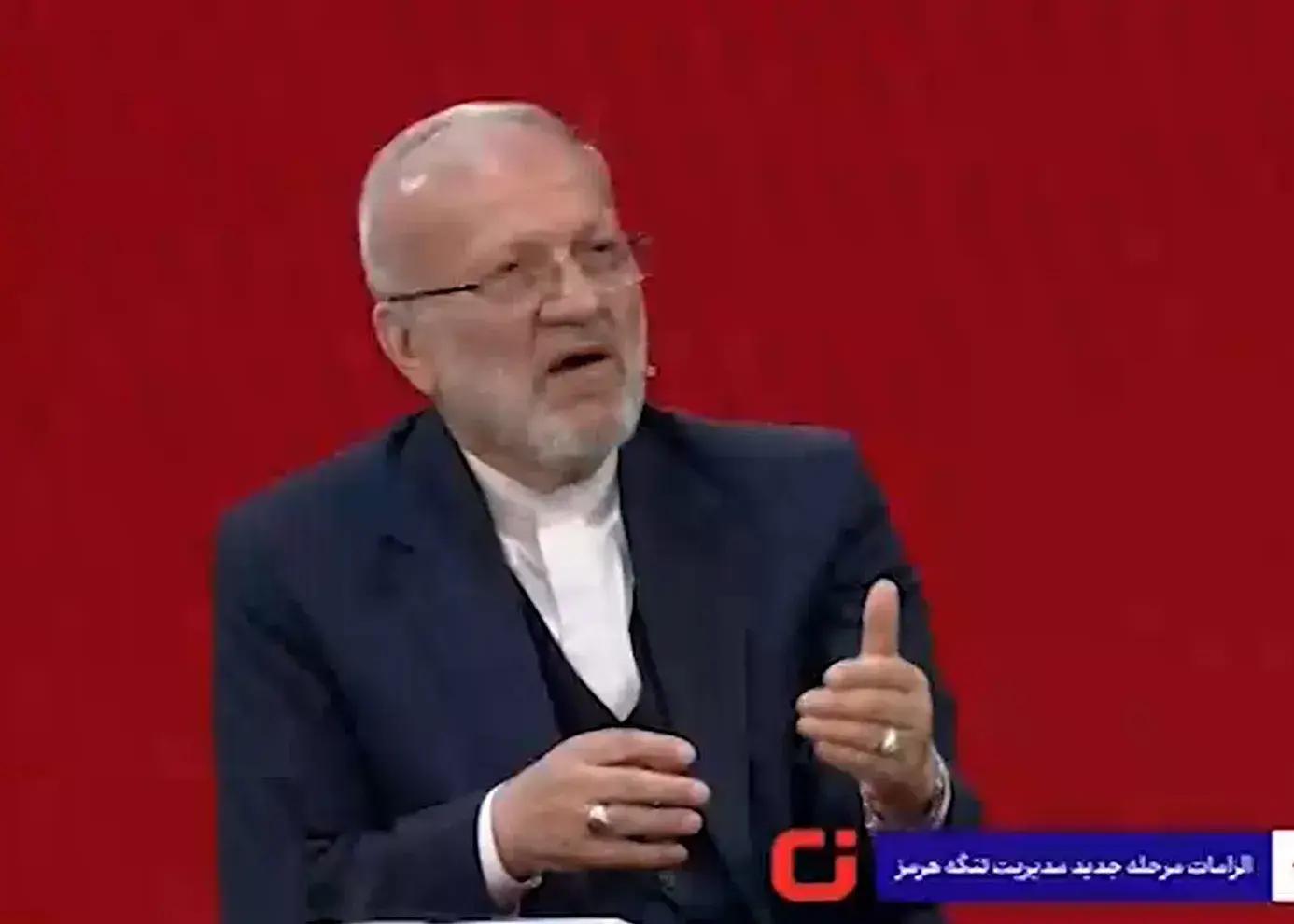
Meanwhile, Al-Akhbar Al-Masa'i described a parallel diplomatic track, saying talks between Tehran and Washington were in a stalemate and that Tehran considers any Israeli attack on Lebanon a breach of the agreement and threatens to suspend talks.
Strait of Hormuz stakes
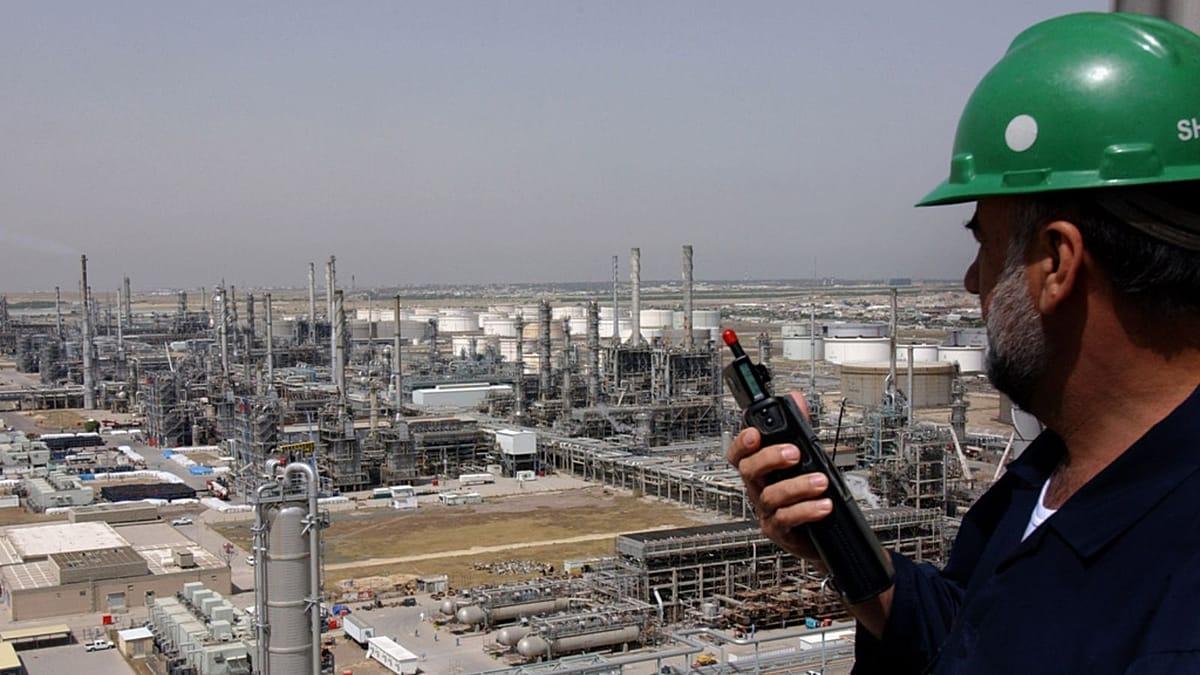
Tabnak said the IRGC conducted drone and missile strikes against the U.S. Fifth Fleet after an attack on Iran’s oil tanker in the Strait of Hormuz, and it described the IRGC Aerospace Force targeting the Fifth Fleet with missile and drone attacks.
The same account said the IRGC emphasized that “destabilizing the security of the Strait of Hormuz will bring a heavy price to the aggressor U.S. military,” framing the strikes as a response to a U.S. attack near the Strait of Hormuz.
In parallel, Quds Online quoted Donald Trump writing, “We will devote every effort to the safe passage of ships and their crews out of the Strait of Hormuz,” adding that the process “will begin on Monday morning, Middle East time.”
Quds Online also stated that after the closure of the Strait of Hormuz and the forced stoppage of “about one thousand merchant ships and twenty thousand mariners,” Trump unveiled the “Freedom Project,” while the article said the U.S. Navy would not provide close escort or a tight escort for ships leaving the region.