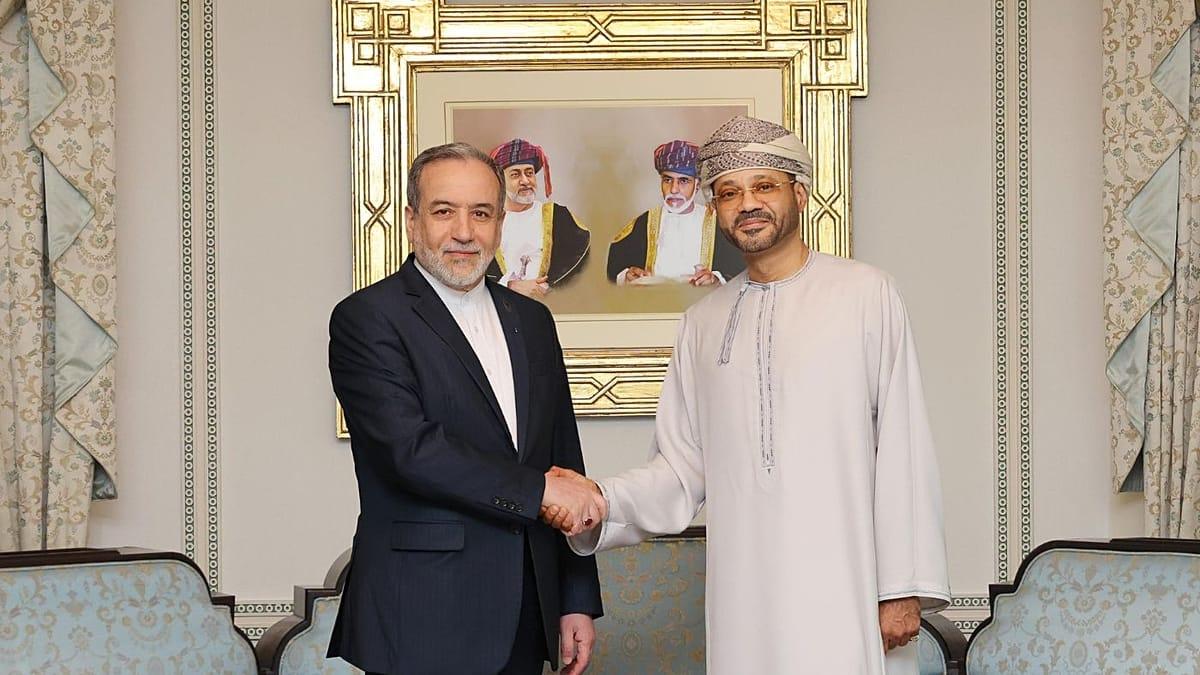
Iran’s Mohammad Jafar Asadi Warns Trump Rejected Nuclear Talks, Renewed War With U.S. Likely
Key Takeaways
- Iran proposes separating war-ending measures and Hormuz opening from nuclear talks.
- Negotiations show cautious progress but with disagreements over nuclear issues and Hormuz.
- Second round ends with tangible progress and a general understanding on main issues.
Ceasefire Frays
Iran’s top officials and U.S. leadership traded escalating messages as a ceasefire remained in place but negotiations stalled, with a senior Iranian military figure warning that renewed war with the United States now looks likely.
“Abbas Araghchi: The condition for the success of the negotiations is the recognition of Iran's right to enrichment”
Morocco World News reported that a senior Iranian military official said Saturday that “a renewed war with the United States now looks likely,” after Donald Trump rejected a fresh Iranian proposal aimed at reviving negotiations.
The same report said a ceasefire has technically been in place since April 8, ending nearly 40 days of Israeli and US strikes on Iran and retaliatory Iranian attacks across the region, but “the calm has not led to progress.”
It added that a first round of direct talks in Islamabad on April 11 failed, and “no follow-up meeting has been scheduled.”
Trump said Friday he was “not satisfied” with the latest Iranian offer, repeating that Iran’s leadership appeared divided and unable to agree on a path forward.
He also warned that restarting the war remains “an option,” even as he said he would prefer to avoid “pulverizing” Iran entirely.
On the Iranian side, Mohammad Jafar Asadi, a senior figure within the armed forces command, said the country is fully prepared for any escalation and accused the United States of failing to honor agreements while warning against further American “adventurism.”
Hormuz First Plan
While Washington rejected the latest Iranian offer, Iran presented a new negotiating approach through Pakistani intermediaries that sought to reorder priorities between ending the war and addressing nuclear issues.
Al Jazeera reported that Iran presented “a new proposal for negotiations with the United States through Pakistani intermediaries,” amid a stalemate over holding a second round of direct talks in Pakistan.
It said the proposal is based on “separating the files: ending the war and opening the Strait of Hormuz first, and delaying nuclear negotiations to a later stage,” citing Axios and American sources.
The report described the plan as focusing on “addressing the crisis of the Strait of Hormuz and the American naval blockade as a priority,” and said it could involve extending the ceasefire for a long period or reaching a permanent agreement to end the war, with nuclear talks beginning later after reopening the strait and lifting the blockade.
In remarks to Al Jazeera, Dr. Hossein Royoran, a Tehran-based researcher specializing in regional issues, said the plan consists of three phases: “Phase 1: Resolve the war issue and end aggression completely, not merely extend the ceasefire,” “Phase 2: Open the Strait of Hormuz as the United States wants as a priority and settle it,” and “Phase 3: The nuclear issue.”
Royoran also said Iran stated it could dispose of “the 60% uranium by converting it to 20% for use in medical treatment.”
Al Jazeera further reported that Axios said Araghchi told mediators there is “no consensus within the Iranian leadership regarding President Donald Trump’s demands about enriched uranium,” and that the proposal aims to bypass internal divisions.
Talks, Red Lines, and Ships
As the negotiation track shifted between Oman, Pakistan, and other venues, Iranian officials insisted that enrichment rights and the nuclear file remained central, while U.S. statements tied the process to uranium.
“Casablanca — A senior Iranian military official said Saturday that a renewed war with the United States now looks likely, as tensions rise again after stalled peace efforts and sharp rhetoric from Washington”
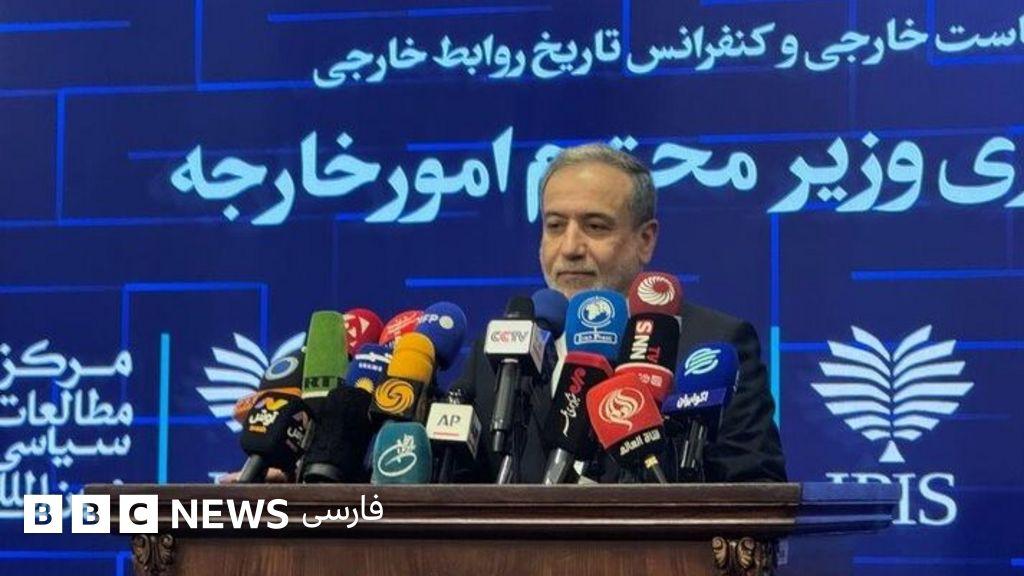
BBC reported that Abbas Araghchi said “The condition for the success of the negotiations is recognizing Iran's right to enrichment,” stressing that Iran “will never give up its peaceful nuclear program and its right to enrichment.”
It said Araghchi told a press conference in Tehran that the continuation of negotiations depends on evaluating the United States’ “seriousness,” and if a decision is made to continue talks, the negotiations will be “focused solely on the nuclear issue.”
BBC also quoted Araghchi saying other topics, including the ballistic missile program and regional policy and groups aligned with Iran, have “not been and will not be” on the agenda and that “the negotiations are only about the nuclear file and will continue within that framework.”
In the same BBC report, it described U.S. pressure on enrichment, saying the White House spokesman said Donald Trump “will not consent to a minimal level of enrichment in Iran and is demanding a complete halt to this operation in Iran.”
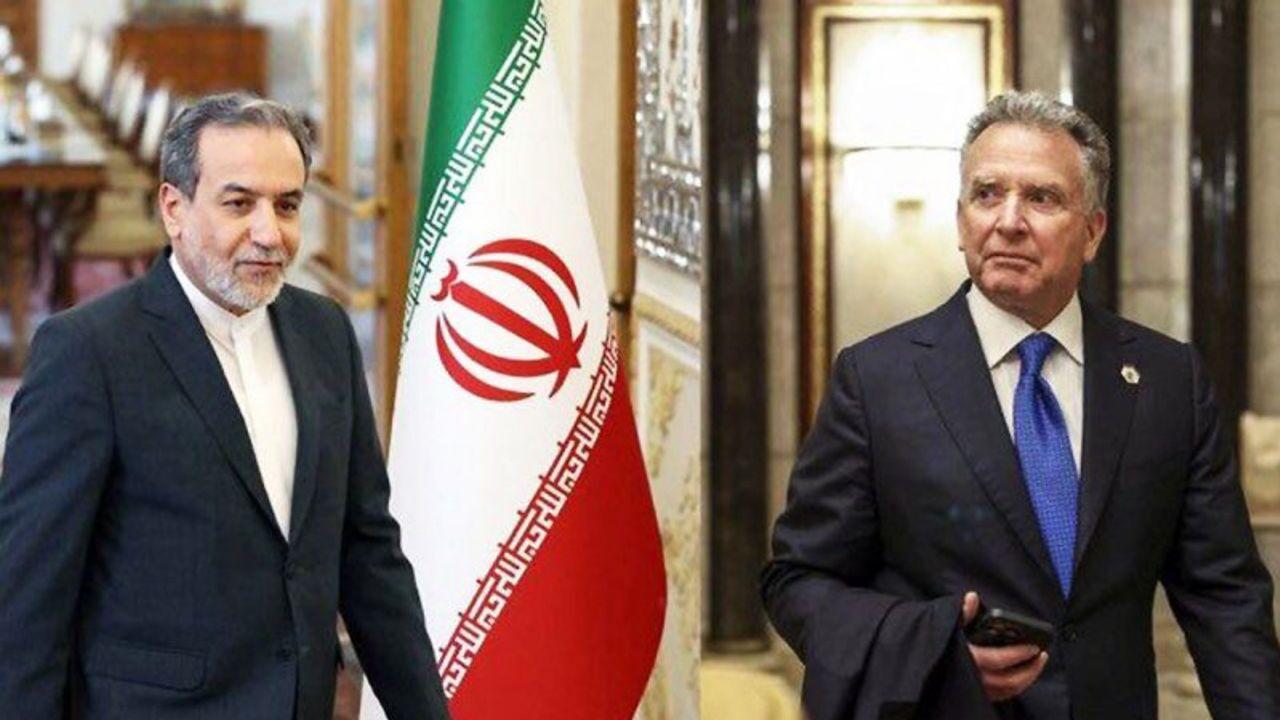
Meanwhile, Al Jazeera’s account of the broader negotiation logic framed the U.S. stance as “Uranium First,” with Adolfo Franco, strategic analyst for the Republican Party, saying “the devil is in the details” and that “all matters and issues are tied to the uranium that Iran possesses.”
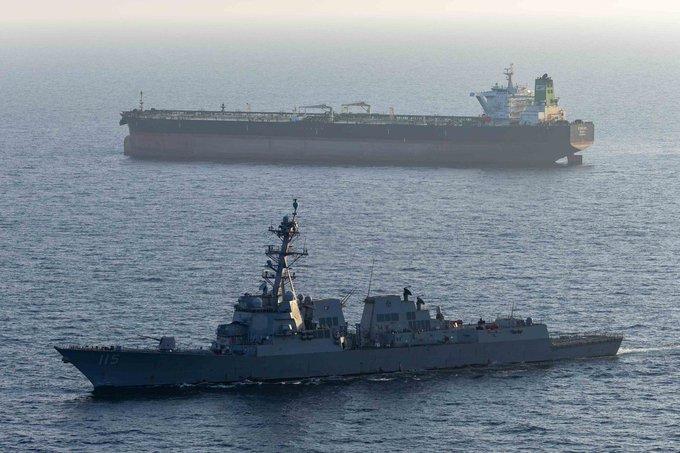
The East report described how the Strait of Hormuz became a live pressure point, saying Iran announced a return of the situation in the Strait of Hormuz to its “previous state” and imposed “tight control,” while Trump defended the U.S. blockade of Iranian ports and threatened “to start dropping bombs again” unless a long-term agreement is reached before the ceasefire ends on Wednesday.
Divergent Narratives
Different outlets portrayed the same negotiation moment with sharply different emphasis, particularly around whether progress was tangible and how the nuclear and Hormuz issues were being treated.
The East described Iran’s top negotiator Mohammad Baqer Qalibaf saying the talks had “made progress,” while also insisting there was “still a wide gap between us,” and it quoted Qalibaf saying “There are some points we insist on... and they also have red lines.”
In that same report, Trump was quoted saying the United States was conducting “very good talks,” while warning of “bullying” over the vital sea trade corridor, and it said the Iranian National Security Council announced Tehran was studying “new American proposals” after Pakistani mediation, noting they have “not yet been answered.”
By contrast, Al Jazeera’s framing of the Iranian proposal emphasized a structured three-phase plan that would open the Strait of Hormuz first and delay nuclear negotiations, and it reported that Axios said the proposal aimed to bypass “no consensus within the Iranian leadership” on enriched uranium demands.
Morocco World News, however, foregrounded Trump’s rejection of the Iranian offer and the warning that war resumption is “an option,” describing the ceasefire as technically in place since April 8 but with “the calm has not led to progress.”
The Al Jazeera report also included a White House spokesperson statement that “the United States does not negotiate through the media,” while the East report described Tehran shifting course by closing the energy corridor again and calling the U.S. blockade a “violation of the ceasefire.”
Even within the negotiation process, the accounts differed on what was being achieved, with Mont Carlo International describing “cautious progress” and noting divergence in statements on the nuclear issue and the Strait of Hormuz.
Next Steps and Risks
The sources also laid out what could happen next, tying the immediate diplomatic calendar to military posture, sanctions, and the Strait of Hormuz’s operational status.
“In a long-awaited move, Iran has presented a new proposal for negotiations with the United States through Pakistani intermediaries, amid a stalemate in the effort to hold a second round of direct talks in Pakistan”
Al Jazeera reported that Axios noted Trump would hold, on Monday, an emergency meeting in the White House Situation Room to discuss the Iranian offer and options for war, and it said a White House spokesperson confirmed that “the final decision is in Washington.”

It also stated that Trump stressed that “any agreement will be concluded only if it serves the American people’s interests first,” and reiterated that “the United States will not allow Iran to obtain a nuclear weapon.”
The East report said that “Neither side provided details on the status of the negotiations on Saturday,” and described the ceasefire timeline as “set to end on April 21,” with Trump threatening “to start dropping bombs again” unless a long-term agreement is reached before the ceasefire ends on Wednesday.
It added that “Sources said that when American and Iranian negotiators met in Islamabad earlier this week,” the U.S. proposed suspending all Iranian nuclear activities for “20 years,” while Iran proposed a pause of “three to five years.”
The same report said that “hundreds of ships and about 20,000 sailors remain stranded in the Gulf awaiting passage through the Strait of Hormuz.”
With the stakes framed as both military and economic, the sources described how inflation and unemployment were rising in Iran and how daily life remained strained, including a Tehran resident saying anxiety is constant with panic attacks becoming part of routine as uncertainty deepens.
More on Iran

Trump Reviews Iran’s 14-Point Peace Proposal, Questions Whether Tehran Paid Enough Price
27 sources compared
Iran Accuses The United States Of Nuclear Non-Proliferation Treaty Violations, Qatar Urges Hormuz De-Escalation
17 sources compared

Trump Administration Bypasses Congress, Approves $8.6 Billion Arms Sales to Israel, Qatar, Kuwait, UAE
14 sources compared
Iran Damaged At Least 16 U.S. Military Sites Across Eight Middle Eastern Countries, CNN Says
10 sources compared