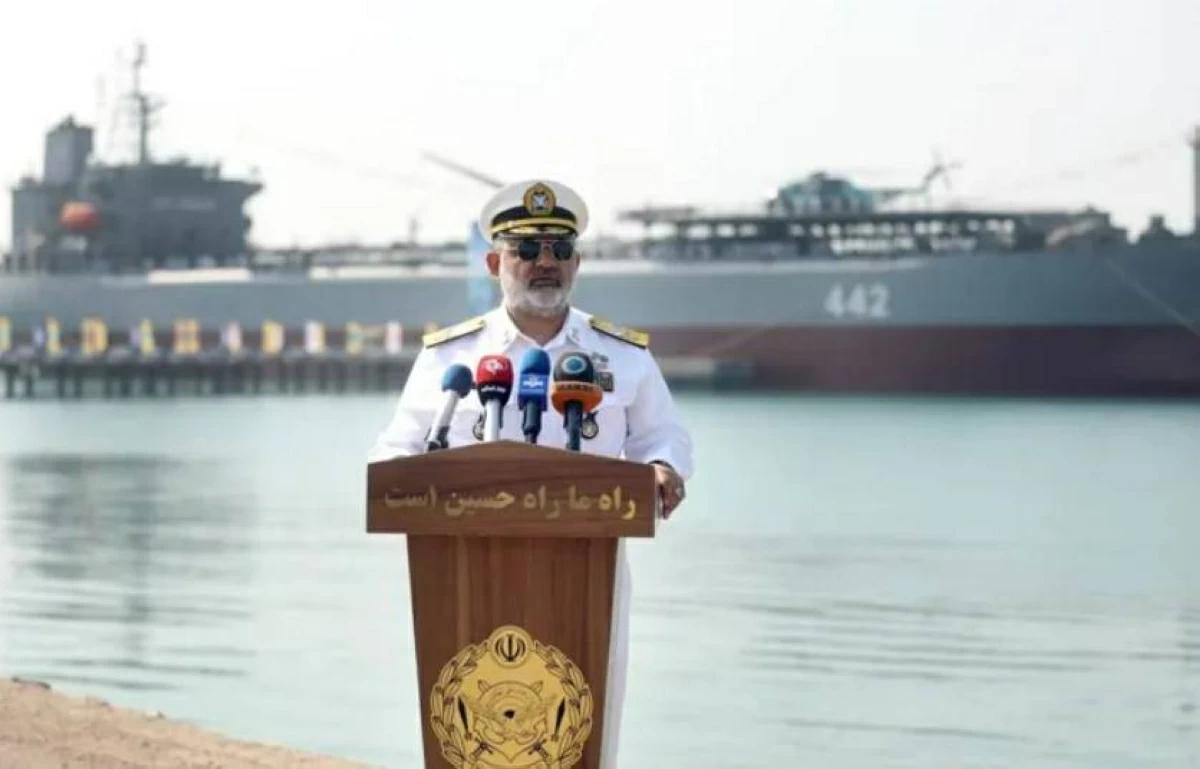
Iran’s Navy Commander Shahram Irani Threatens Enemies With Terrifying Weapon Near Them
Key Takeaways
- Iranian Navy commander says enemies will soon see a weapon they fear.
- The weapon is stationed very close to the enemies.
- He hopes the enemies won't have a heart attack.
Weapon Promise Near Them
Iran’s Navy commander, Rear Admiral Shahram Irani, said the Islamic Republic will “very soon” confront the enemy with a weapon “it is deeply afraid of,” adding that “it is right next to them [too].”
“The commander of the Iranian Navy, Admiral Shahram Irani, warned that the enemies will soon see a weapon they fear greatly, noting that this weapon is stationed in very close proximity to them”
In remarks carried by PressTV on Wednesday, Irani told Iranian audiences, “I hope they won't have a heart attack,” after describing the weapon’s proximity to the other side.
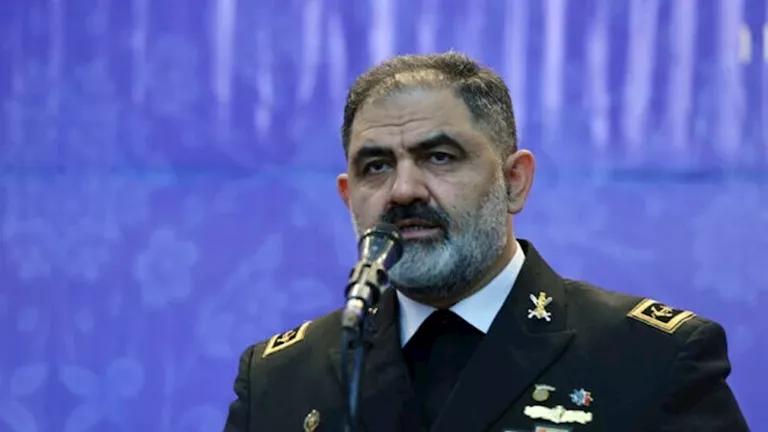
Masrawy similarly reported that Admiral Shahram Irani warned that “enemies will soon see a weapon that frightens them... and we hope they do not suffer a heart attack,” describing the weapon as “stationed in very close proximity to them.”
The same Masrawy account said Irani told Iranian television that “the enemies will see very soon a weapon from our side that causes them great fear, and it is located in very close proximity to them.”
PressTV framed the comments as part of Iran’s response to “unprovoked aggression against Iran,” which it said began on February 28.
PressTV also said the commander referred to the enemy’s belief that it could achieve results “in the shortest possible time,” describing that assumption as “a joke in military academies.”
Missile Strikes and the Abraham Lincoln
Irani’s warnings were tied to Iran’s stated naval and missile actions during what PressTV described as aggression that began on February 28.
PressTV said Irani cited “as many as seven missile operations against the aircraft carrier Abraham Lincoln,” and added that the retaliation “prevented the United States from being able to launch aircraft or conduct air operations from the carrier for a period of time.”
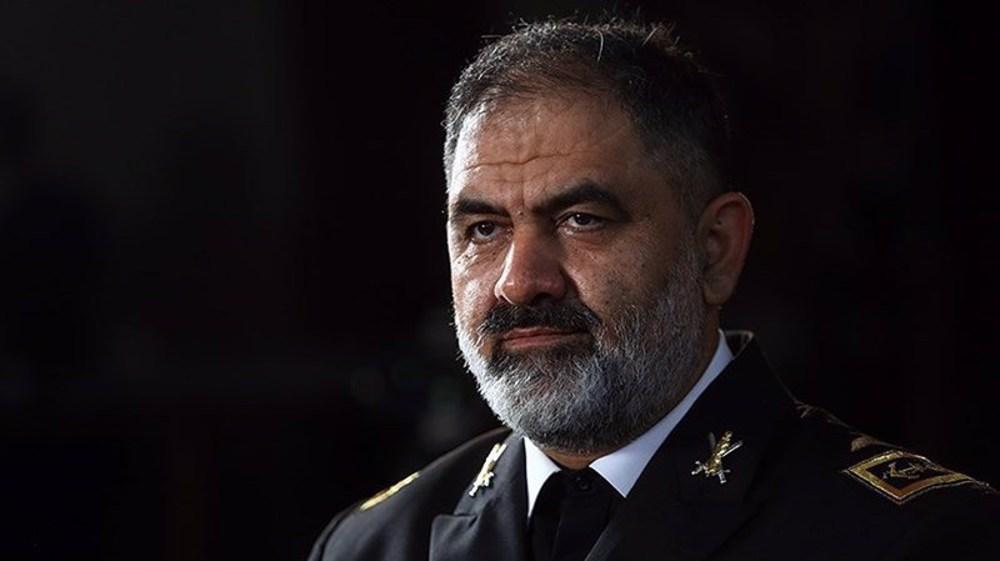
Masrawy reported the same core claim, saying “The Iranian Army’s naval force conducted seven missile strikes against the American aircraft carrier Abraham Lincoln,” and that the United States “was not able for a period to operate its aircraft or conduct air operations from aboard it.”
Masrawy further stated that the United States “later had to carry out maintenance and add a greater number of destroyers,” linking the earlier attacks to subsequent changes in U.S. posture.
The Egyptian outlet Al-Masry Al-Youm likewise repeated Irani’s account that “the Iranian Navy carried out seven missile strikes against the American aircraft carrier Abraham Lincoln,” and that the United States “was not able for a period to operate its aircraft or conduct air operations from aboard it.”
PressTV added that the U.S. war effort deployed missiles against Iranian soil from platforms based on naval units before engaging more missile platforms that required it to bring in more destroyers.
Strait of Hormuz Restrictions
PressTV said another part of Iran’s retaliation involved “the country’s closing the strategic Strait of Hormuz to vessels belonging to enemies and their allies,” followed by further restrictions that conditioned passage on “their securing permission from relevant Iranian authorities.”
“Admiral Shahram Irani, the commander of the Navy of the Iranian armed forces, warned that 'enemies will soon witness a weapon that will evoke in them a great deal of fear,' noting that this weapon 'is stationed in very close proximity to them”
The PressTV account said the move came after the U.S. announced “continuation of an illegal blockade it has been trying to impose on Iranian vessels and ports,” and the commander claimed, “Iran has closed the Strait of Hormuz from the Arabian Sea.”
PressTV quoted Irani warning, “If they move any closer, we will take operational action without delay,” framing the statement as a response to further approach by U.S. forces.
Masrawy likewise reported that Irani “affirmed that Iran closed the Strait of Hormuz from the Arabian Sea side,” and said he warned that his forces would carry out “rapid operational measures if the enemies advanced further.”
PressTV also asserted that “some vessels have departed from our ports, and some have reached their destinations” despite the blockade, which it described as illegal.
In the same PressTV narrative, Irani condemned U.S. actions as “piracy” and “hostage-taking,” saying “They have taken crewmembers and their families hostage aboard ships.”
Hostage-Taking Accusations
PressTV and Masrawy both described U.S. maritime actions as shifting from piracy to hostage-taking, and they tied that accusation to Iran’s stated willingness to respond.
PressTV said Irani “strongly condemned American forces' illegal seizure of some Iranian vessels as part of the blockade,” denouncing it as not only “piracy,” but also “hostage-taking.”
In the PressTV account, Irani said, “They have taken crewmembers and their families hostage aboard ships,” and added, “The Americans are worse than Somali pirates, because Somali pirates acted out of poverty, but these have added hostage-taking" to their atrocities.”
Masrawy similarly reported that the Iranian military official accused the United States of shifting from maritime piracy to hostage-taking, noting that it “detains ship crews and their families.”
Masrawy also included a claim from “a high-ranking Iranian security source” that “American maritime piracy under the banner of a naval blockade will soon be met with a practical and unprecedented military action.”
PressTV, in parallel, said Iran’s Armed Forces were “sworn to avenging the nation's martyrs "to the last drop of our blood",” and that “We will afflict a regret-inducing blow to them.”
Diplomacy, Patience, and Next Steps
Beyond the immediate threats, Masrawy’s account of a “high-ranking Iranian security source” described a rationale for restraint and a conditional path toward escalation.
“Iran's Navy Commander Rear Admiral Shahram Irani says the Islamic Republic will "very soon" confront the enemy with a weapon "it is deeply afraid of”
The Masrawy source said the armed forces operating under the Khatam al-Anbiya Headquarters believe that “patience has limits,” and that “a painful response has become necessary if Washington continues its illegal naval blockade around the Strait of Hormuz.”
Masrawy also said the restraint shown by Iranian armed forces was “aimed at giving diplomacy a chance,” and “allowing the United States to see Iran’s terms for permanently ending the war and accepting them.”
The same Masrawy report said this pause was meant to “give President Trump a chance to pull the United States out of the current quagmire it finds itself in.”
PressTV, meanwhile, described Iran’s retaliatory operations as “at least 100 waves of decisive and successful reprisal” against “sensitive American and Israeli targets,” and said the commander described the U.S. response as “stalled.”
Across the three outlets, the same core line recurred: Irani told Iranian television that “enemies will see very soon a weapon from our side that causes them great fear,” and he added, “I hope they do not suffer a heart attack after the weapon is unveiled.”
More on Iran

US Besieges Iranian Ports as Trump Mulls Extended Blockade, Driving Oil Prices Higher
10 sources compared

Oil Prices Surge as US Siege of Iranian Ports Threatens Strait of Hormuz Supply
11 sources compared
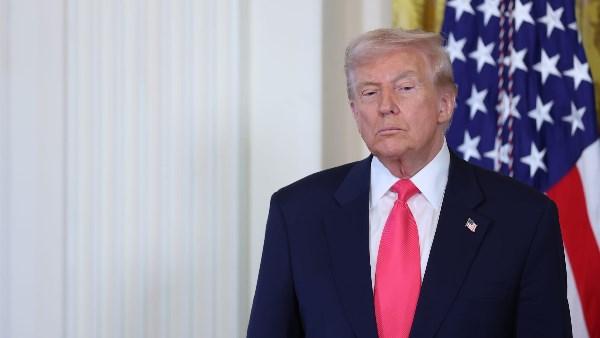
Trump Receives CENTCOM Briefing on Potential U.S. Military Action Against Iran Thursday
13 sources compared
Pentagon Says Iran War Costs $25 Billion So Far, Acting Comptroller Jules Hurst III Tells Congress
37 sources compared