Iraq’s Coordination Framework Misses Prime Minister Nomination Deadline, Sudani Faces Maliki Challenge
Key Takeaways
- Coordination Framework has not named a PM candidate due to internal power struggles.
- Maliki's State of Law maintains its PM nomination, blocking consensus within the bloc.
- Nomination talks postponed as intra-bloc rifts persist and Iran’s Quds Force visit occurs.
Deadlock Over Iraq’s PM
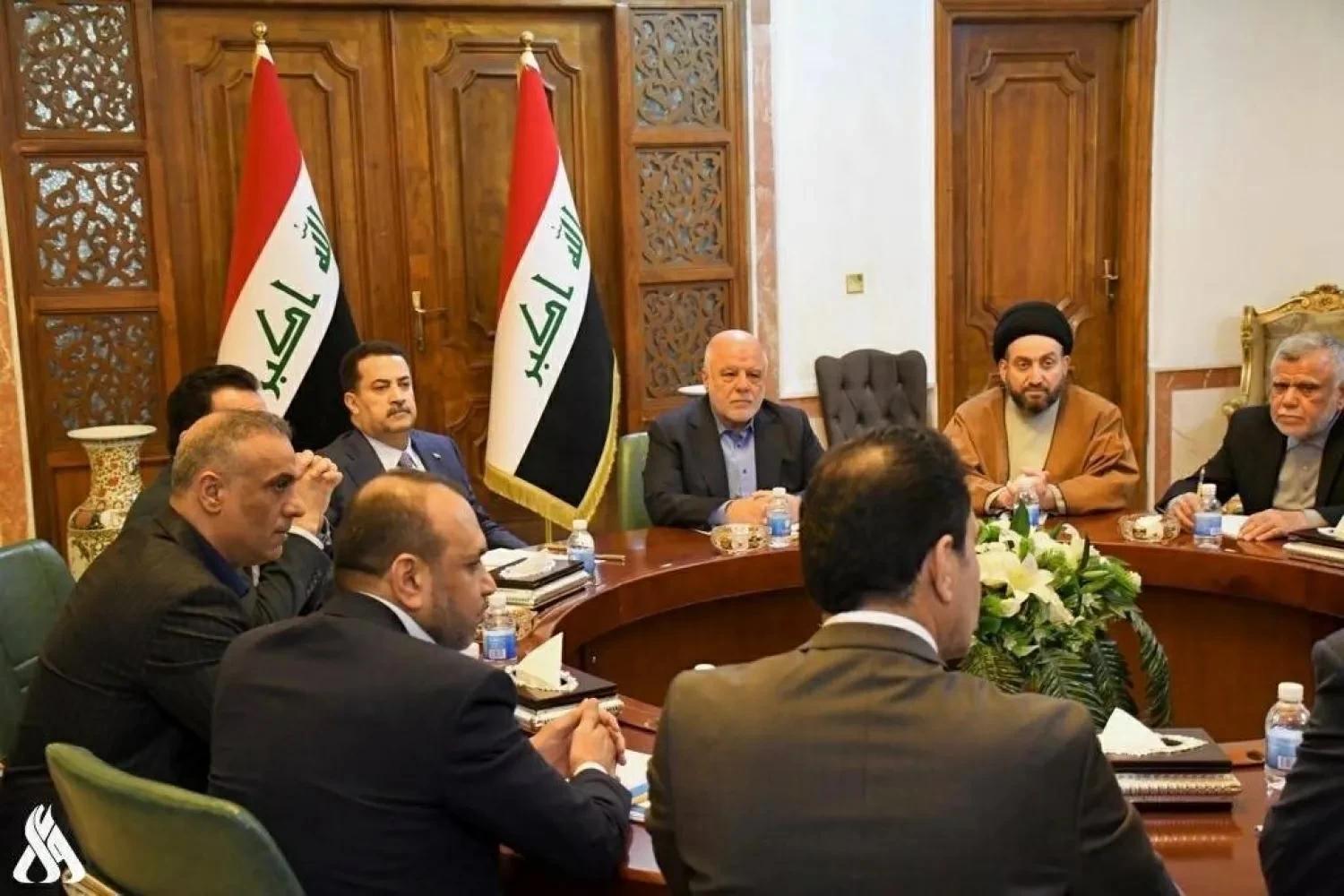
Baghdad’s ruling Shiite Coordination Framework has been unable to choose its prime ministerial candidate more than five months after Iraq’s parliamentary elections, leaving incumbent Prime Minister Mohammed Shia al-Sudani facing a challenge from the bloc led by former Prime Minister Nouri al-Maliki.
“Baghdad, Iraq – It’s been more than five months since Iraq’s parliamentary elections, but the Coordination Framework – the largest parliamentary bloc of Shia parties – has failed to choose its prime ministerial candidate amid internal power struggles”
Al Jazeera reports that the Coordination Framework, which “commands approximately 185 of 329 seats in parliament,” must nominate a prime minister by “April 26, as required by the Iraqi constitution,” while Iraq balances ties between the United States and Iran.

The crisis is playing out as the US-Israel war on Iran “has spilled into Iraq,” with pro-Iranian armed groups carrying out attacks on US assets “in solidarity with Tehran,” according to Al Jazeera.
The New Region says leaders of the Coordination Framework are set to hold a meeting on Monday to settle the nomination after weeks of wrangling over whether to back Sudani for a second term or choose a compromise candidate.
Rudaw reports that factions are increasingly moving away from a “consensus candidate” option and considering Sudani for the post, citing a member of his parliamentary bloc ahead of the long-delayed meeting scheduled for Monday.
Shafaq News frames the situation as time-critical, with MP Ahmed Salem al-Saadi telling Shafaq News that “the next 72 hours will be critical” for the Coordination Framework to agree on a nominee.
Across the reporting, the same constitutional mechanics recur: the president’s election triggers the prime minister nomination window, and the Framework’s internal inability to agree on a name is repeatedly described as the central obstacle.
Iran, US, and the Timeline
The political deadlock is unfolding against a regional backdrop that multiple outlets link directly to Iran and the United States, with Baghdad described as caught between competing pressures.
Al Jazeera says the US-Israel war on Iran “has spilled into Iraq,” and that pro-Iranian armed groups have attacked US assets “in solidarity with Tehran,” while Iran “has also been involved in the political crisis.”

In that context, Al Jazeera reports that “Ismail Qaani, the head of the Quds Force,” visited Baghdad “at the weekend” to try to break the leadership deadlock, citing sources.
Al Jazeera adds that the visit “apparently came at the request of the caretaker Prime Minister al-Sudani” to convince the Shia Coordination Framework not to nominate “Bassem al-Badri,” who is aligned with Maliki.
The New Region describes the same Monday meeting as the next step after an earlier session was postponed amid disagreements inside the alliance, and it quotes Ali Abdul Amir Jawhi al-Kaabi saying “the delay signaled the end of the compromise-candidate option.”
Rudaw ties the nomination fight to earlier US-Iraq tensions, noting that in January the Coordination Framework nominated Nouri al-Maliki and that the move drew criticism from US President Donald Trump, who called the nomination a “very bad choice” and warned Washington would “no longer help Iraq” if Maliki were appointed.
Shafaq News emphasizes the constitutional deadlines and the compressed schedule after the president’s election, stating that Parliament elected Nizar Amedi as president on “April 11,” triggering the process.
Competing Voices and Claims
As the Coordination Framework approaches its scheduled Monday meeting, the outlets present competing claims about who is still a candidate and what the Iranian and US roles mean for Iraq’s sovereignty.
“ERBIL, Kurdistan Region - Factions within Iraq’s ruling Shiite Coordination Framework are increasingly moving away from the idea of a “consensus candidate” to break the deadlock over the prime ministerial nomination, instead considering incumbent caretaker Prime Minister Mohammed Shia’ al-Sudani for the post, a member of his parliamentary bloc said ahead of a long-delayed meeting scheduled for Monday”
The New Region quotes Zahraa al-Sadr of the National Wisdom (Hikma) Movement calling Monday’s meeting “pivotal and important,” and she says it marks an “advanced stage toward deciding the prime minister nominee,” while also describing the earlier postponement as “came at Sudani’s request to clarify whether he would insist on remaining a candidate or support a compromise option.”
It also reports that Husham al-Rikabi, media director for Nouri al-Maliki, said Maliki “remains the officially announced candidate for Prime Minister, and he has not been replaced,” rejecting reports that the alliance had moved to another nominee.
Rudaw adds that Maliki rejected US President Donald Trump’s remarks as “blatant American interference” and refused to withdraw his candidacy, deepening divisions within the Shiite alliance.
Shafaq News includes a warning from MP Ahmed Salem al-Saadi that “there can be no tolerance for disregarding the remaining timeframe,” and it says the meeting scheduled for tomorrow is expected to be decisive.
Al Jazeera, meanwhile, includes a quote from Akeel Abbas, a Washington-based researcher, saying, “The Iranians face a bigger existential challenge – the US-Israeli war – and are not interested in settling the Iraqi PM file. They want a weak prime minister through whom they can get what they want.”
In a separate Al-Araby Al-Jadeed report, Quds Force commander Ismail Qaani says forming the Iraqi government and selecting its prime minister is a “right for the Iraqi people,” stressing that “those who commit crimes against humanity” should not interfere in Iraq’s affairs.
How Outlets Frame the Same Fight
While all the reports describe the same core dispute—who the Coordination Framework will nominate as prime minister—the outlets differ in how they emphasize the drivers of the delay and the meaning of the Iranian visit.
Al Jazeera centers the deadlock inside the Shia bloc and links it to Iran’s influence, reporting that Qaani visited Baghdad “aiming to break the leadership deadlock” and that his unannounced visit came at Sudani’s request to prevent the nomination of Bassem al-Badri.

The New Region, by contrast, frames the meeting as a procedural turning point after postponements, quoting Ali Abdul Amir Jawhi al-Kaabi that “the delay signaled the end of the compromise-candidate option and a shift toward selecting the nominee of the largest bloc within the alliance.”
Rudaw similarly highlights the fading of the “consensus candidate” approach, but it adds a specific US pressure narrative by recalling Trump’s January criticism of Maliki and quoting that Maliki rejected it as “blatant American interference.”
Shafaq News emphasizes constitutional time pressure and describes the Framework as committed to deadlines, with Ahmed Salem al-Saadi warning “there can be no tolerance for disregarding the remaining timeframe” and saying “If the meeting is postponed, it will be the last delay.”
Basnews and the Maliki office messaging focus on candidate continuity and blame avoidance, with Hisham al-Rikabi dismissing reports about postponement as “false” and urging “bold decisions” within constitutional timelines rather than delay or blame rival parties.
Al-Araby Al-Jadeed presents Qaani’s visit as a sovereignty claim, quoting Qaani saying the selection is “done exclusively on the basis of an Iraqi decision,” while it also includes a counter-interpretation from Ali al-Jubouri that the visit is “clear interference in internal affairs.”
What’s at Stake Next
The reporting repeatedly ties the prime minister nomination crisis to governance stability and to the handling of armed factions, with multiple outlets warning that the next steps could determine whether Iraq avoids escalation.
“Baghdad - The Coordination Framework's forces were within a hair's breadth of naming Bassam al-Badri as Iraq's prime minister on the evening of Saturday, April 19, but the candidate crisis returned to square one and the appointment was postponed to today, Monday, in tandem with an undisclosed visit by Iran's Quds Force commander Ismail Qaani to Baghdad to discuss the government formation, and with the anticipated arrival of U”
Al Jazeera describes the Coordination Framework’s task as balancing ties between the US and Iran while pro-Iranian armed groups attack US assets “in solidarity with Tehran,” and it notes that Iran “wields considerable influence over Iraqi politics.”
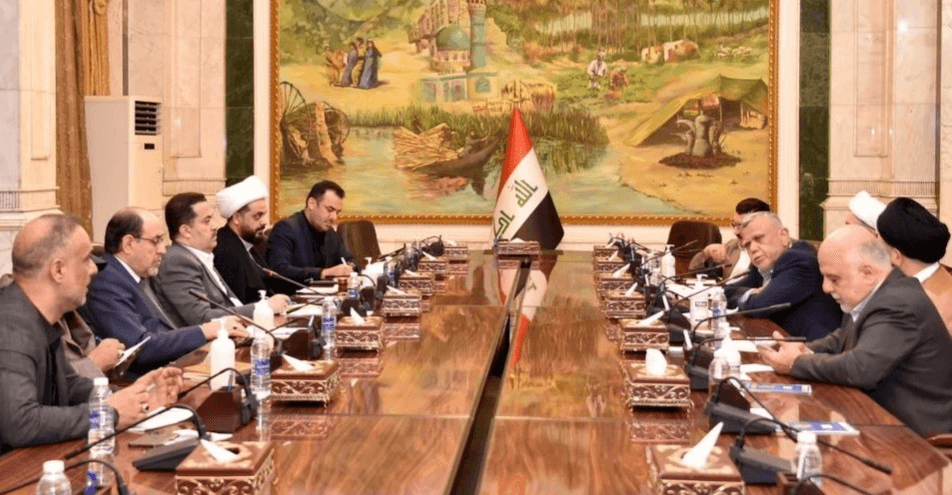
It also says the Framework’s general secretariat has called a meeting for Monday at the residence of Ammar al-Hakim, with a single agenda item: selecting the prime ministerial candidate, and it reports that previous meetings were postponed because leaders could not agree on a name.
Al-Araby Al-Jadeed adds that Qaani focused in talks on the danger of agreeing to discuss dissolving the factions or disarming them under American pressure, and it quotes a political figure close to the Coordination Framework saying Qaani discussed the importance of reaching a consensus on a prime minister “far from American bias.”
The same report includes Qaani’s warning that dismantling or stripping the militias’ weapons is an “American-Israeli ploy,” as he described, and it says Qaani conveyed Iran’s position against any dismantling or stripping of the militias' weapons.
Al Jazeera’s Akeel Abbas frames the stakes in terms of Iran’s preference for a “weak prime minister,” while Shafaq News says the constitutional deadline is due to expire next Sunday and that the Framework has “just six days” until then.
Finally, Shafaq News says “If the meeting is postponed, it will be the last delay,” underscoring how the next meeting could close the window for political maneuvering.
More on Iran
Trump Warns U.S. Will Resume Bombing If Iran Talks Fail Before Ceasefire Deadline
11 sources compared

Reuters/Ipsos Poll Finds 36% Approve Trump’s Job Performance Amid Iran War And Pope Feud
10 sources compared

Iran’s Judiciary Chief Mohseni-Eje’i Warns US-Israeli War Coalition May Strike Again
11 sources compared

Trump Says U.S. Expects a Great Deal With Iran, Won’t Extend Ceasefire Deadline
25 sources compared