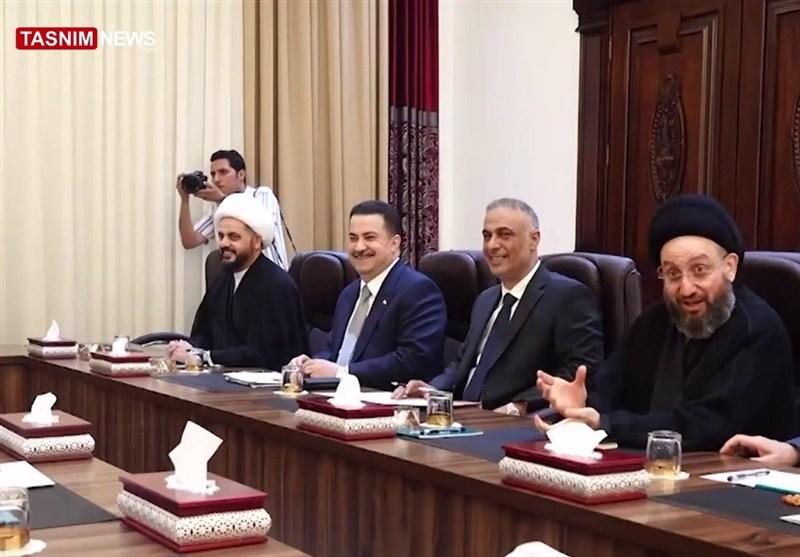
Iraq’s Shia Bloc Postpones Prime Minister Vote as Bassem Al-Badry Wins Nomination
Key Takeaways
- Coordination Framework postponed the prime minister nomination vote amid ongoing consultations.
- Leaders reportedly nominated Bassem al-Badry, with consensus-building reported but no official announcement.
- Maliki and Sudani surfaced as alternative contenders amid internal debates.
Iraq’s PM deadline slips
Iraq’s Shia political leaders are racing to choose a prime minister and end a political crisis that has continued more than five months after parliamentary elections were held, with Iraqi leaders having “five days to choose a prime minister” and “end a bitter political crisis.”
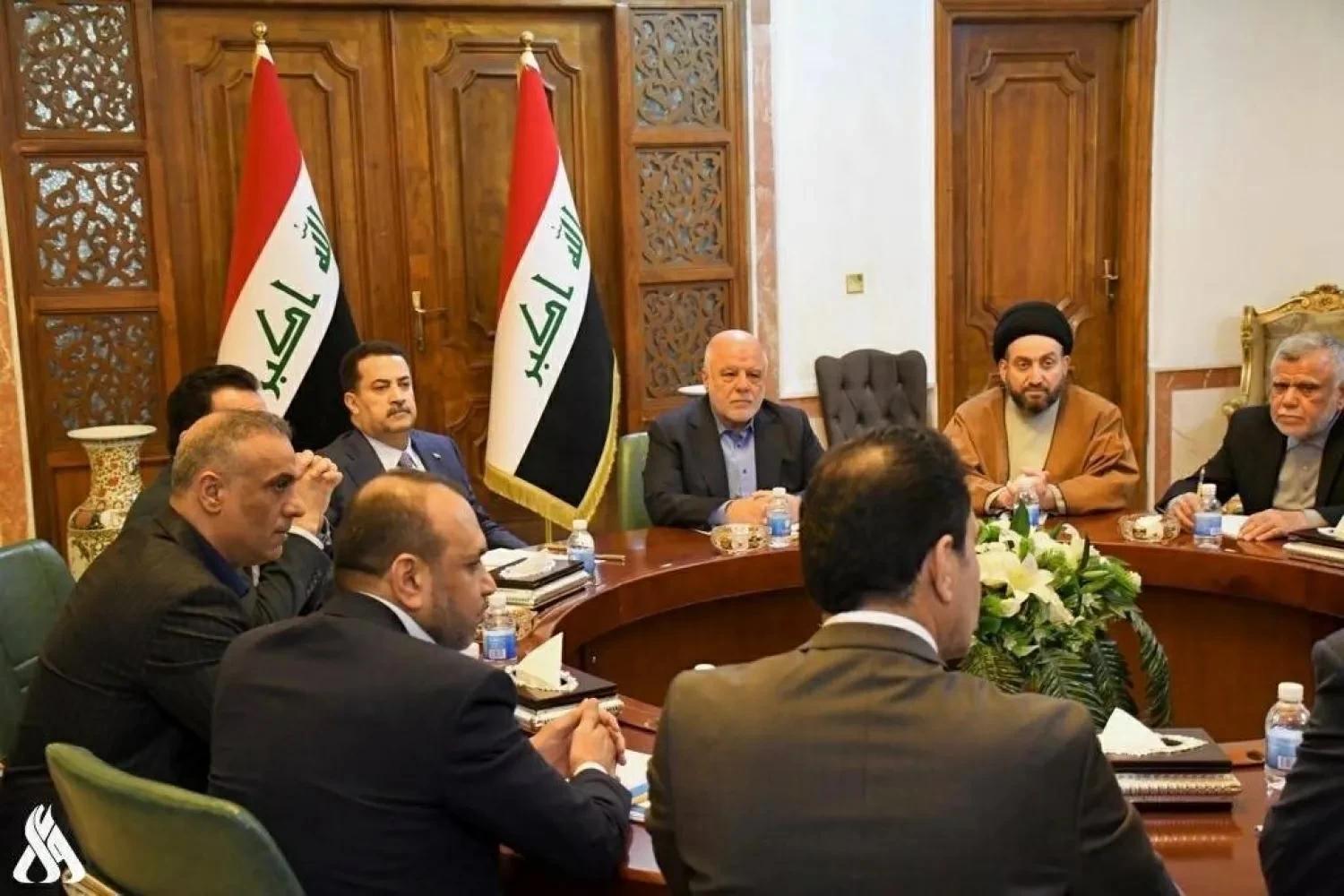
Al Jazeera reports that a decision to declare a prime minister on Tuesday was “once again postponed for further consultations within the Coordination Framework,” the largest bloc of Shia parties that “commands 185 of 329 seats in parliament.”

The outlet ties the delay to the Iraqi Constitution, saying that “the bloc must choose a prime minister by Sunday,” and that under “Article 76 of the constitution” the president must ask the nominee of the largest parliamentary bloc to form a government “within 15 days of being elected.”
Al Jazeera also anchors the timeline to the presidency, noting that “Nizar Amedi was elected president on April 11.”
The Arab Weekly similarly describes Monday’s meeting of key Shia leaders, saying leaders “picked government official Bassem al-Badry as their nominee for the post of prime minister in a meeting on Monday,” while adding that “no official announcement was made.”
Al Jazeera Net (الجزيرة نت) adds that the Coordinating Framework announced postponement “until Wednesday,” with Abbas al-Amari saying the meeting “witnessed a positive atmosphere” but “the matter needs more time.”
Why talks keep stalling
The sources describe internal friction inside the Coordination Framework as a key reason the prime minister decision keeps slipping, even as the bloc tries to meet constitutional deadlines.
Al Jazeera says the Coordination Framework “has been beset by internal power struggles,” pointing to “internal differences” “mainly between the Hikma Movement, led by Ammar al-Hakim, and the Asa’ib Ahl al-Haq Movement, led by Qais al-Khazali.”

It also recounts that in January the bloc chose “two-time Prime Minister Nouri al-Maliki” as its nominee, a move that triggered a reaction from US President Donald Trump, who “threatened to stop supporting Iraq if al-Maliki returned to the post.”
Al Jazeera Net (الجزيرة نت) frames the current delay as ongoing consultations, with Abbas al-Amari saying “consultations among the Framework forces are ongoing” and that the alliance decided “to continue its meetings to complete the dialogues and reach a final decision.”
The outlet adds that the Coordinating Framework is moving toward a two-thirds majority for Basem al-Badri, saying “reliable sources told Al Jazeera Net last Friday” that the forces are “moving toward agreeing to pass Basem al-Badri’s nomination with a two-thirds majority.”
Al Jazeera also details a dispute over quorum that further complicates the nomination process, reporting that at the Monday meeting “al-Badry’s supporters failed to secure the required quorum,” which is “two-thirds of the bloc’s members.”
Competing voices and claims
The reporting includes direct statements from multiple figures inside and outside Iraq’s Shia political leadership, showing how different actors interpret the same negotiations.
Al Jazeera quotes Hider al-Mola, describing the nomination dynamics inside the State of Law Coalition, saying, “Our candidate, Bassem al-Badry, is considered the frontrunner due to the support he enjoys compared to Ihsan al-Awadi.”
Al Jazeera also includes al-Mola’s explanation for the delay, saying the “delay in naming a prime minister was due to the repeated rescheduling of Coordination Framework meetings over differing viewpoints and objections among its leaders regarding the nominees.”
In parallel, Khaled Walid tells Al Jazeera that al-Badry “could not reach either benchmark,” and he adds that the nomination could be “futile” because “his supporters within the Coordination Framework do not exceed 60 MPs.”
Al Jazeera Net (الجزيرة نت) quotes Abbas al-Amari, saying the meeting “witnessed a positive atmosphere” and that “various views were raised regarding the prime minister candidate, but the matter needs more time.”
The Arab Weekly adds another voice through Abbas al-Amiri, Secretary-General of the Coordination Framework, who tells Kurdistan24 that the coalition has postponed the official announcement of its candidate “until Wednesday.”
How outlets frame the same race
While the core narrative is consistent—Coordination Framework leaders meeting, postponing an announcement, and moving toward a Bassem al-Badry nomination—different outlets emphasize different aspects of the process and the uncertainty around it.
Al Jazeera focuses on constitutional mechanics and internal procedural disputes, describing a postponed decision “for further consultations” and a quorum fight where “al-Badry’s supporters failed to secure the required quorum.”

It also stresses external complexity by describing the “recent visits by Ismail Qaani” and “US envoy to the Middle East Tom Barrack,” and it quotes al-Mola denying any connection between their visits and the prime minister selection.
The Arab Weekly, by contrast, centers on the claim that leaders “picked government official Bassem al-Badry as their nominee” in a Monday meeting, while also noting that “no official announcement was made,” and that “Another meeting was scheduled for Wednesday.”
Al Jazeera Net (الجزيرة نت) frames the story through Abbas al-Amari’s announcement carried by Iraqi News Agency (INA), emphasizing that the Coordinating Framework decided “to hold its meeting today, Tuesday, continue the dialogues, and reach a result on Wednesday.”
It also adds a seat-count range, saying the Coordination Framework is the largest coalition in the House of Representatives “as the latest election results indicate it has between 130 and 140 seats out of 329,” which differs from Al Jazeera’s figure that the bloc “commands 185 of 329 seats.”
What’s at stake next
The sources portray the next steps as both time-bound and politically consequential, with constitutional deadlines and potential external pressure shaping what happens after the postponements.
Al Jazeera states that “the bloc must choose a prime minister by Sunday,” and it ties the constitutional process to the president’s role, saying the president must ask the nominee “within 15 days of being elected,” with Nizar Amedi elected “on April 11.”
Al Jazeera Net (الجزيرة نت) similarly emphasizes that the April 11 election “activates the constitutional deadline to appoint the candidate of the largest parliamentary bloc to form the government,” and it quotes Article 76 that “the president appoints the candidate of the bloc with the most seats to form the Council of Ministers within 15 days from the date of his election.”
The political stakes are also described through the possibility of US economic sanctions, with عصر ایران (عصر ایران | West Asian) reporting that “Washington threatened to impose economic sanctions on Iraq” and that “economic sanctions will be imposed on Iraq” if the Coordination Framework insists on Nouri al-Maliki’s candidacy.
That same source also includes a direct quote from Donald Trump saying the return of Nouri al-Maliki is “something that should not be allowed,” and it frames the dispute as tied to the US position on Iraq’s political process.
Al Jazeera adds that the Coordination Framework’s internal quorum dispute could make a nomination “futile,” with Khaled Walid saying al-Badry’s supporters “do not exceed 60 MPs” and that he would “subsequently fail to secure the confidence of parliament.”
More on Asia
South Korean F-15K Jets Collided After Pilots Took Photos, Audit Finds
12 sources compared

Sanae Takaichi Sends Ritual Offering to Yasukuni Shrine as 126 Japanese Lawmakers Visit
10 sources compared

Japan Approves Overhaul Ending Ban on Lethal Weapons Exports to 17 Countries
10 sources compared

Japan Downgrades Tsunami Alert After 7.7 Quake Off Northern Coast
41 sources compared