Asia22 April, 20268 min read
South Korean F-15K Jets Collided After Pilots Took Photos, Audit Finds
Two F-15K jets collided during a 2021 Daegu formation flight after pilots took photos. Repair costs totaled about 880 million won.
Daegu Mid-Air Collision
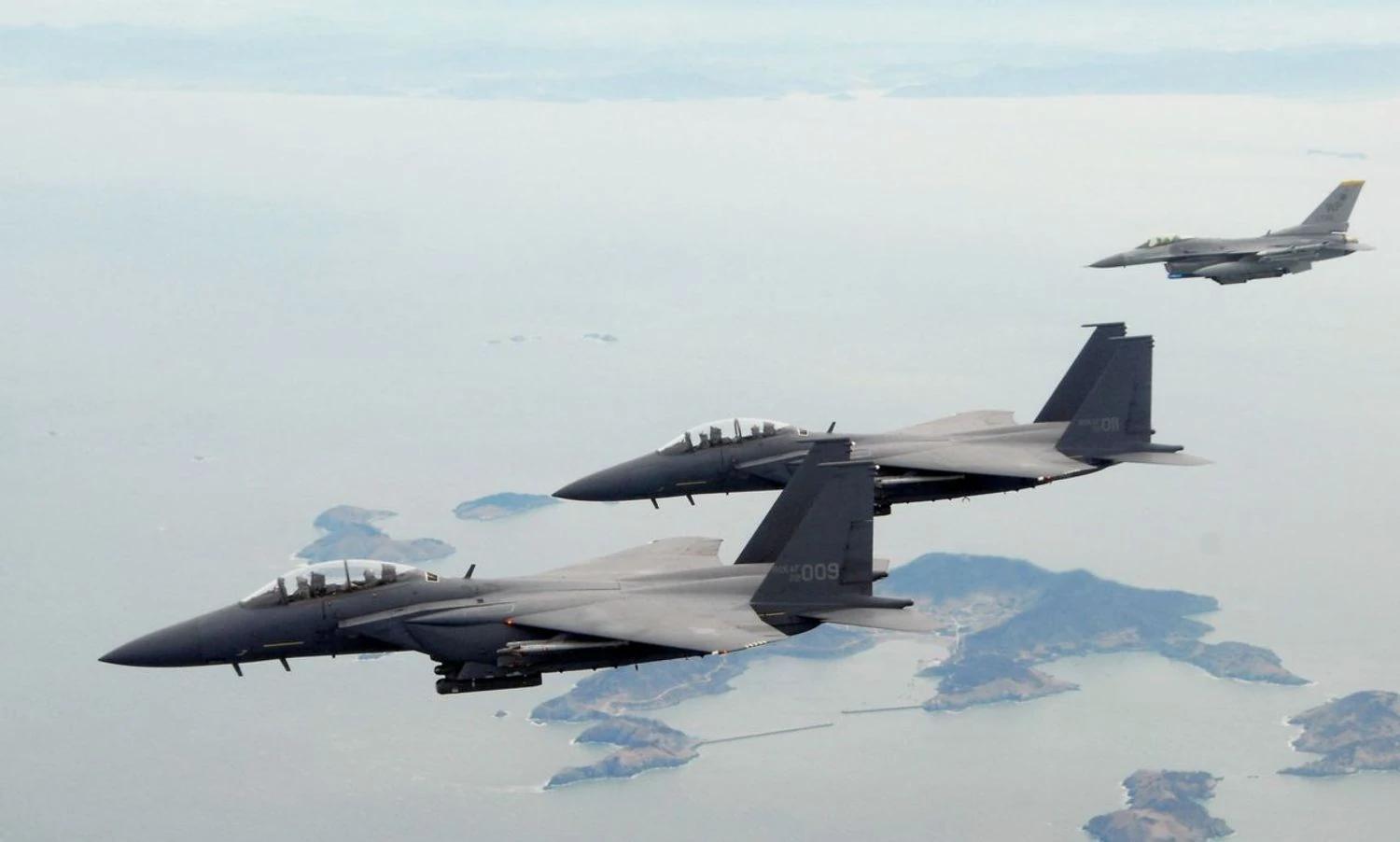
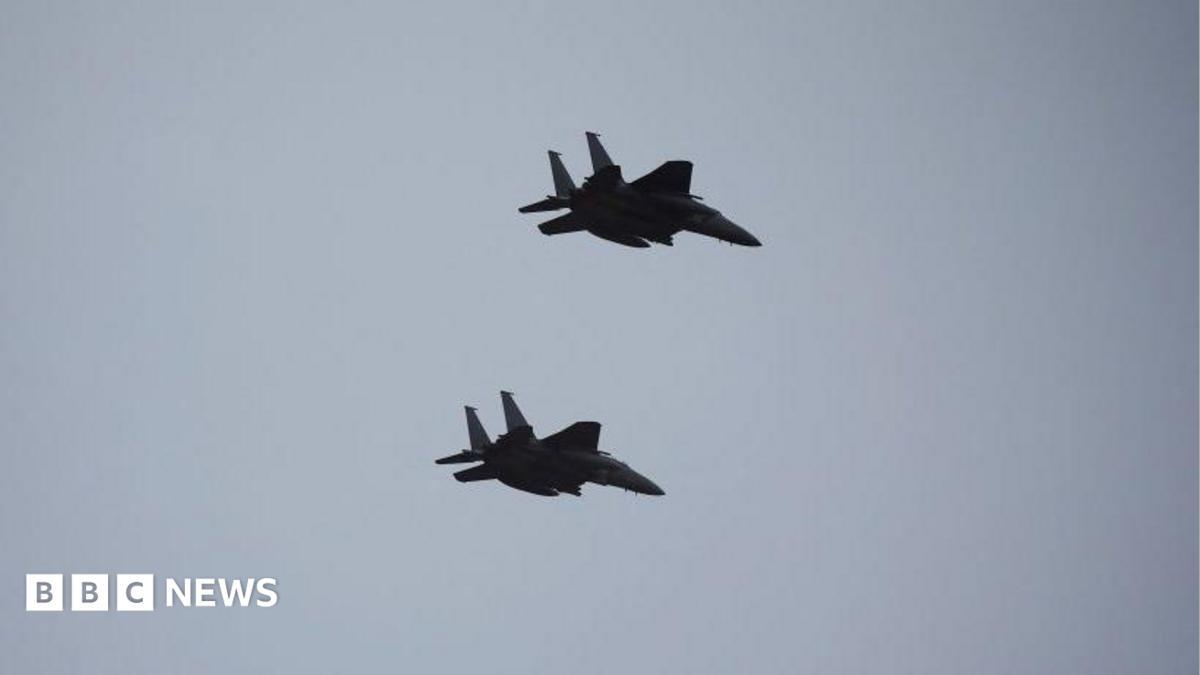
South Korean authorities have found that two Republic of Korea Air Force (ROKAF) F-15K fighter jets collided mid-air in 2021 because the pilots were taking pictures and videos, according to Seoul’s Board of Audit and Inspection. The incident took place while the jets were on a flight mission in the central city of Daegu, with the collision occurring during a formation flight mission in December 2021. The BBC reported that the pilots survived with no injuries, but the collision damaged the planes and cost the military 880 million won in repairs.
The audit board said one pilot had wanted to take photos to commemorate his last flight with his military unit, and that he declared his intent in a briefing before the flight. The BBC described how, while flying back to their base, the wingman pilot began taking pictures using his personal mobile phone, and the lead aircraft pilot then asked another pilot to film a video of the wingman aircraft.
According to the BBC, the wingman pilot then abruptly flew his jet up higher and flipped it so that it could be better captured on camera, bringing the two planes very close before the lead aircraft tried to rapidly descend. Despite the evasive attempt, the two F-15K jets eventually collided, damaging the lead aircraft’s left wing and the wingman aircraft’s tail stabiliser, and both aircraft landed safely.
How the Audit Reconstructed It
The audit board’s account, as reported by multiple outlets, ties the collision to a specific sequence of in-flight actions during the return to base after a formation mission. The BBC said the pilot was flying the wingman aircraft and was following the lead aircraft during the mission, and that while flying back he started taking pictures using his personal mobile phone. The BBC added that, upon noticing this, the pilot of the lead aircraft then asked another pilot on his plane to film a video of the wingman aircraft.
The BBC described the wingman pilot’s response as an abrupt maneuver: he flew his jet up higher and flipped it so it could be better captured on camera, and this maneuver brought the two planes very close to each other. To avoid a crash, the BBC said the lead aircraft tried to rapidly descend, but the two F-15K jets eventually collided. Other coverage expanded the timeline and details, including that the incident occurred during a routine formation flight mission near Daegu in December 2021 and that the jets were flying back to base after completing the mission when they collided mid-air.
EurAsian Times reported that the wingman pilot was a senior lieutenant on his last flight with the unit before a transfer, and that the Air Force internally disciplined the responsible pilot to pay the full repair amount of US$596,000. The Whistler Newspaper similarly stated that the incident occurred in Daegu and that the repair bills reached 880m won ($594,235), while emphasizing that both pilots escaped without injury. Across the accounts, the audit board’s framing also included that taking photos of significant flights was “a widespread practice among pilots at the time,” and that the pilot had declared his intent before takeoff.
Liability, Appeals, and Fines
The audit board’s findings did not end with identifying the cause; they also addressed responsibility and the financial consequences for the wingman pilot. The BBC said South Korea’s air force suspended the wingman pilot, who has since left the military to work for a commercial airline, and that the air force sought to fine the wingman pilot 880 million won to cover the full amount of the repair costs. The BBC reported that when the pilot appealed against the fine, it prompted an investigation by the audit board, and that the wingman pilot acknowledged his sudden manoeuvre led to the collision but argued that the lead aircraft's pilot had "tacitly consented" to the manoeuvre since he was aware that filming was taking place.
The BBC then stated that the audit board ruled that the wingman pilot should only pay a tenth of what the air force sought, and that it said the air force should bear some responsibility for not properly regulating pilots' personal use of cameras. The EurAsian Times account similarly described that the audit board reduced the fine amount to one-tenth of the total repair cost, i.e., US$59,600 or 88 million won, and it characterized the audit board’s reasoning as including that the ROKAF failed to frame strict rules prohibiting the use of personal phones and video recording while on flight. NDTV Profit likewise said the pilot was fined 88 million won after being held primarily responsible for the accident, and it repeated that the audit found the practice of taking photos during significant flights was a widespread practice among pilots at the time.
Caliber.Az reported that the air force sought to impose a fine of 880 million won and that the pilot appealed, prompting a review by the audit board, which ruled that he should only pay a portion of the fine. The BBC also noted that the board took into account that the wingman pilot had a good track record prior to the incident and that he managed to prevent further damage by promptly commandeering a safe return of his aircraft to the base. Across these accounts, the audit report did not mention whether any action was taken against the other pilots involved in the incident, and multiple outlets echoed that uncertainty.
Broader Safety Backdrop
Several outlets placed the Daegu collision within a wider pattern of aviation incidents and safety concerns, while still keeping the audit report’s specific findings at the center of the story.
The Whistler Newspaper said the revelation sits against a broader backdrop of safety concerns in South Korea’s military aviation and then referenced a separate mid-air collision in March 2026 involving two F-16C jets during a nighttime training exercise near Yeongju.

It also referenced that in March 2025, two KF-16 jets mistakenly dropped bombs on a civilian village in Pocheon during a joint exercise with the United States, injuring 31 people and damaging more than 140 homes.
The Whistler Newspaper further said South Korea has seen multiple incidents involving U.S. Air Force F 16s stationed at Kunsan Air Base, with jets going down in the Yellow Sea in both December 2023 and January 2024.
Kursiv Media similarly focused on the audit report itself, describing how the wingman pilot began taking photos with his personal mobile phone while returning to base and how the lead aircraft’s pilot instructed another crew member to record video footage.
Kursiv Media also echoed the audit board’s conclusion that taking photos during significant flights had been a common practice at the time and that the South Korean Air Force shared responsibility for failing to regulate the use of personal devices.
The News International and India Today both described the collision as not caused by any technical failure or combat error, instead attributing it to pilots trying to take photos and record video during a routine mission.
Across these accounts, the audit report’s publication timing was also consistent in the coverage, with the BBC saying the audit board published its report on Wednesday and EurAsian Times stating that the report was published on April 22.
What the Report Means Next
The audit board’s findings, as described by the outlets, point to regulatory gaps and to the consequences for the officer whose maneuver was judged responsible, while leaving open questions about broader disciplinary actions. The BBC said the audit board ruled that the air force should bear some responsibility for not properly regulating pilots' personal use of cameras, and it also said the report did not mention whether any action was taken against the other pilots involved in the incident. EurAsian Times similarly said the report found the ROKAF shared some of the blame for failing to frame strict rules prohibiting the use of personal phones and video recording while on flight.
The Whistler Newspaper emphasized that the audit found photographing significant or farewell flights was described as a widespread practice among South Korean pilots at the time. AeroTime provided a more technical audit framing, stating that the case appears in the BAI report “Inspection of Illegal Expenditure and Financial Leakage II” under the title “Damage to a fighter jet wing while taking personal commemorative photos during flight.” AeroTime also reported that the audit says the mishap took place on December 24, 2021, during a two-ship formation flight, and that the collision involved repair costs totaling KRW 878,709,963, including replacement of 45 parts on one aircraft and six parts on the other.

It further said the Ministry of National Defense issued the original compensation order on June 27, 2023, seeking the full repair cost from the pilot under South Korea’s Accounting Personnel Responsibility Act, and that the case was finalized on April 2, 2026, before being published in the audit report on April 22, 2026. In the BBC account, the wingman pilot acknowledged his sudden manoeuvre led to the collision but argued the lead aircraft pilot had "tacitly consented," and the audit board reduced his payable fine to one-tenth while taking into account his prior record and his safe return.