
IRGC Aerospace Force Commander Seyed Majid Mousavi Says Iran Repaired Missile And Drone Launchers
Key Takeaways
- IRGC says missile and drone launcher replenishment accelerated during the ceasefire.
- Footage shows overhaul; Mousavi says replenishment pace exceeds pre-war levels.
- Updates aim to replenish missile and drone stockpiles, including launch platforms.
Ceasefire Rebuild Claims
Iran’s military leadership used the approaching end of a two-week ceasefire to project rapid recovery of its missile and drone capabilities, with multiple outlets describing claims tied to the IRGC Aerospace Force.
Tasnim reported that Major General Seyed Majid Mousavi, commander of the IRGC Aerospace Force, posted a video showing “maintenance and reconstruction of missile and drone stockpiles,” saying, “During the ceasefire period, our speed in updating and refilling missile and drone launch platforms is even greater than before the war.”
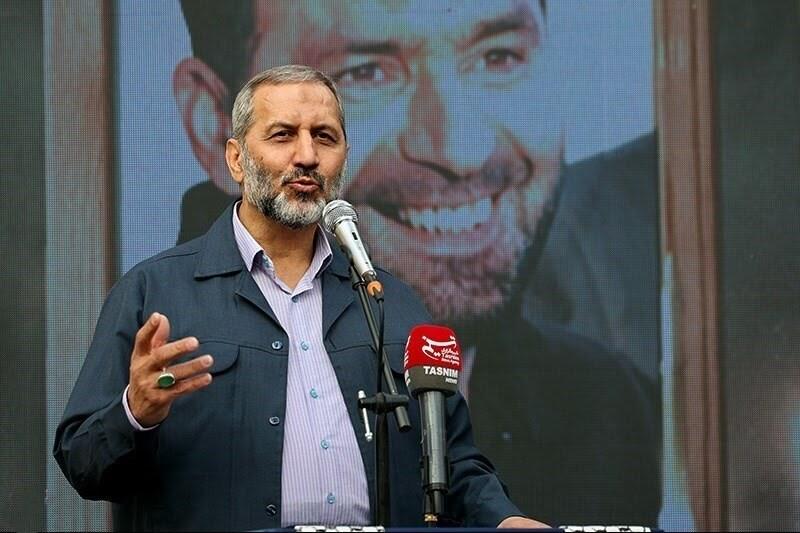
Mehr News Agency echoed the same message, quoting Mousavi saying, “We are aware that the enemy is incapable of creating these conditions for itself and is forced to bring ammunition little by little from the other side of the world.”
Mehr also framed the ceasefire as an opportunity for “continuity of power” and “rapid regeneration of that power in the midst of crisis,” arguing that “temporary pauses in the conflict—such as the current ceasefire period—are no longer understood as retreat.”
In a separate report carried by VINnews, an AP-sourced account said Brig. Gen. Seyed Majid Mousavi told state media that Iran had repaired missiles and drone launchers during the ceasefire that “started on April 8.”
The same VINnews/AP account said the broadcaster aired a “two-minute video” showing missiles and drones in warehouses and “mobile launches of missiles,” while the United States and Israel said they had degraded Iran’s military capabilities during a “nearly six-week war.”
Together, the reporting places Iran’s public messaging on rebuilding directly alongside the ceasefire timeline, with the claims repeatedly emphasizing speed and the ability to restore launch platforms.
Straits and Economic Pressure
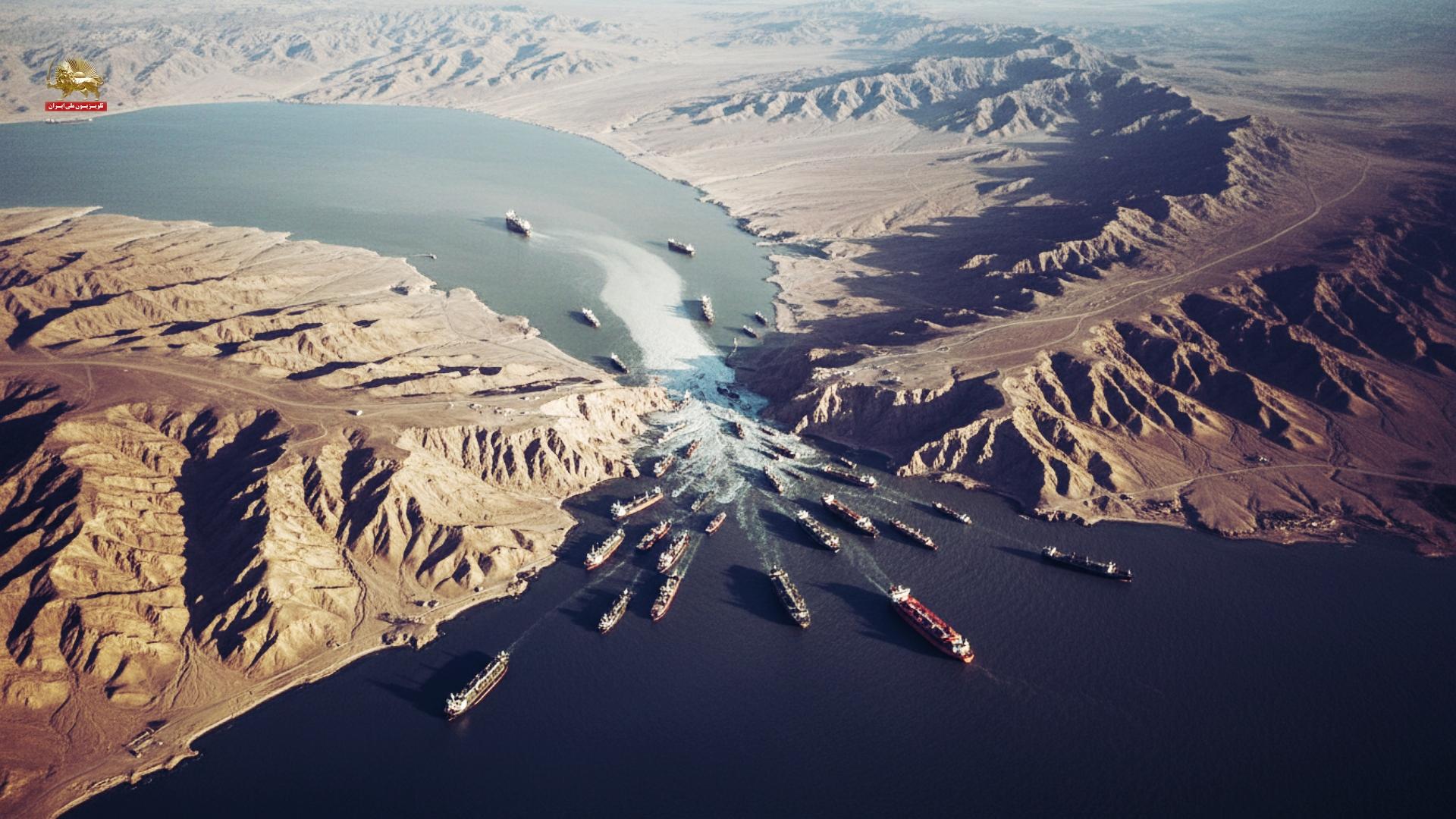
As Iran described rebuilding during the ceasefire, Israeli and Iranian-linked reporting also emphasized the possibility of expanding pressure beyond the Strait of Hormuz, tying the messaging to strategic waterways.
In a report carried by ynetnews, Ali Akbar Velayati, described as “an adviser to the Supreme Leader,” said Iran and its “strategic partners” ensure security not only in Hormuz and the Strait of Malacca, but also in the Bab el-Mandeb, which he said is controlled by “our brothers” in Yemen’s Houthi movement.

Velayati warned, “Any provocative step will be met with a graduated response,” while the same ynetnews report quoted Danny Citrinowicz, “a former head of the Iran branch in Israeli military intelligence and now a researcher at the Institute for National Security Studies,” saying, “They have fallen in love with the idea of an economic campaign.”
Citrinowicz added, “The goal is to demonstrate to the international system that they can cause far more damage than they have so far,” and he suggested that references to Malacca are “likely intended as signaling rather than an immediate operational plan.”
The ynetnews report also said Iran’s Tasnim news agency reported that Iranian forces on Sunday “blocked two additional oil tankers from passing through the Strait of Hormuz, forcing them to turn back.”
At the same time, the report described Majid Mousavi claiming Iran had used the ceasefire period to rebuild its missile and drone capabilities faster than its adversaries, adding, “Unlike Iran, the enemy has not been able to restore its ammunition.”
It further quoted Iranian President Masoud Pezeshkian saying, “We do not intend to attack any country,” and warning that “Escalation can be addressed through dialogue and rationality while avoiding further destruction.”
The same ynetnews account said an aide warned that if Iran’s adversaries make further “mistakes,” new control measures could be imposed on additional maritime routes beyond Hormuz, while Parliament Speaker Mohammad Bagher Ghalibaf said Iran remains “fully prepared to respond militarily if necessary.”
What Intelligence Says Iran Still Has
While Iranian officials emphasized rebuilding, Israeli reporting also focused on what US intelligence assessments suggested Iran retained after the war, including specific percentages for missile stocks, launchers, and drones.
The Times of Israel reported that “US intelligence assessments have suggested that Iran likely still has access to around 70 percent of its pre-war ballistic missile stockpiles, and around 60 percent of its missile launchers,” citing “The New York Times.”
The Times of Israel added that Iran “still retains around 40% of its drone arsenal,” and it described a timeline tied to the ceasefire that “came into effect between Iran and the US on April 8.”
The Times of Israel said that “when a two-week ceasefire came into effect,” Tehran had access to “around half of its ballistic missile launchers,” and that “Since then, the report says it has managed to dig out another 100 launchers from under the ground, bringing the total of operational missile launchers to around 60% of the pre-war total.”
It also said Iran was “working to dig out any missile stocks that became buried under the rubble of the US and Israeli strikes,” and that “Once complete, the US intelligence officials believe Tehran will have missile stockpiles amounting to around 70% of its pre-war stockpiles.”
i24NEWS similarly reported US intelligence estimates, saying Iran still has “roughly 60% of missile arsenal, 40% of drones,” and it described drones as a deterrent that “can be intercepted by warships but pose a serious risk to commercial shipping vessels.”
i24NEWS also stated that “At the time of the ceasefire, officials said Iran retained about half of its missile launchers,” and that “in the days that followed, it reportedly recovered around 100 additional systems that had been concealed in caves and bunkers,” raising operational launchers to “roughly 60 percent of prewar levels.”
Both outlets framed the assessments as uncertain but consequential, with i24NEWS saying “Officials cited in the report said intelligence assessments are inherently imprecise but provide a broad indication of Iran’s remaining military capacity.”
Ceasefire Expiry and Next Moves
The reporting ties Iran’s rebuilding claims and maritime signaling to a concrete ceasefire deadline and to uncertainty about what comes next, with multiple outlets pointing to the expiration date and the possibility of further restrictions.
i24NEWS said, “The ceasefire agreement brokered between the US and Iran is set to expire on April 22 with a follow-up plan yet known to be set in place,” placing the end of the pause on a specific date.
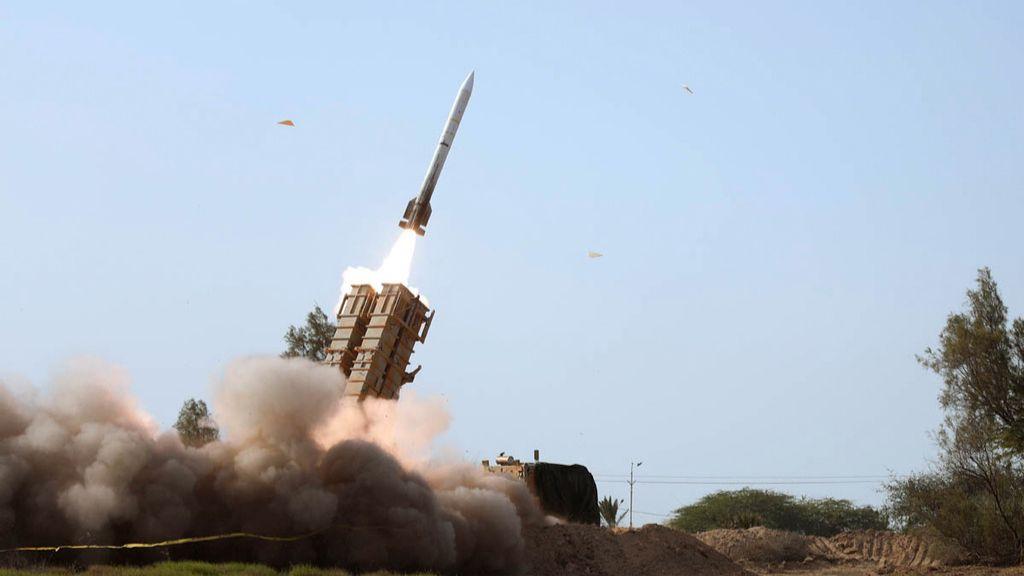
In the same i24NEWS account, it described continued concern “in Washington and allied capitals over security in strategic waterways” as Iran continues saying “the international strait remains forcefully closed,” and it warned that “Iran’s remaining capabilities could still be used to disrupt shipping routes if tensions escalate.”
ynetnews likewise described a warning from an aide to the president that if Iran’s adversaries make further “mistakes,” “new control measures could be imposed on additional maritime routes beyond Hormuz,” while also quoting Parliament Speaker Mohammad Bagher Ghalibaf saying Iran remains “fully prepared to respond militarily if necessary.”
The Times of Israel’s account, while focused on US intelligence estimates, also described the ceasefire’s start on April 8 and the subsequent recovery of launchers, and it framed the assessments as relevant to maritime traffic by noting that “there is general agreement that Iran retains enough weaponry to pose a potential threat to maritime traffic” through the i24NEWS lens.
VINnews/AP added a separate framing by saying a senior Iranian military official spoke as “the two-week ceasefire nears to expire,” and it described the US and Israel positions that they had degraded Iran’s military capabilities during a “nearly six-week war.”
Across the sources, the next steps are therefore presented as a mix of Iranian claims of “updating and refilling” during the ceasefire and external assessments of remaining capability, with the April 22 expiration date acting as the pivot point.
The stakes are repeatedly linked to shipping and strategic waterways, with ynetnews describing the Strait of Malacca as a critical shipping lane and i24NEWS emphasizing that drones pose “a serious risk to commercial shipping vessels.”
More on Iran
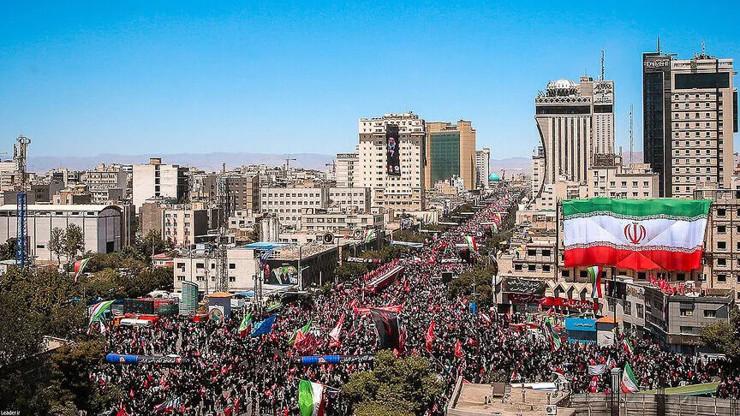
Israeli Strike Kills Ayatollah Ali Khamenei, Buried at Imam Reza Shrine in Mashhad
19 sources compared
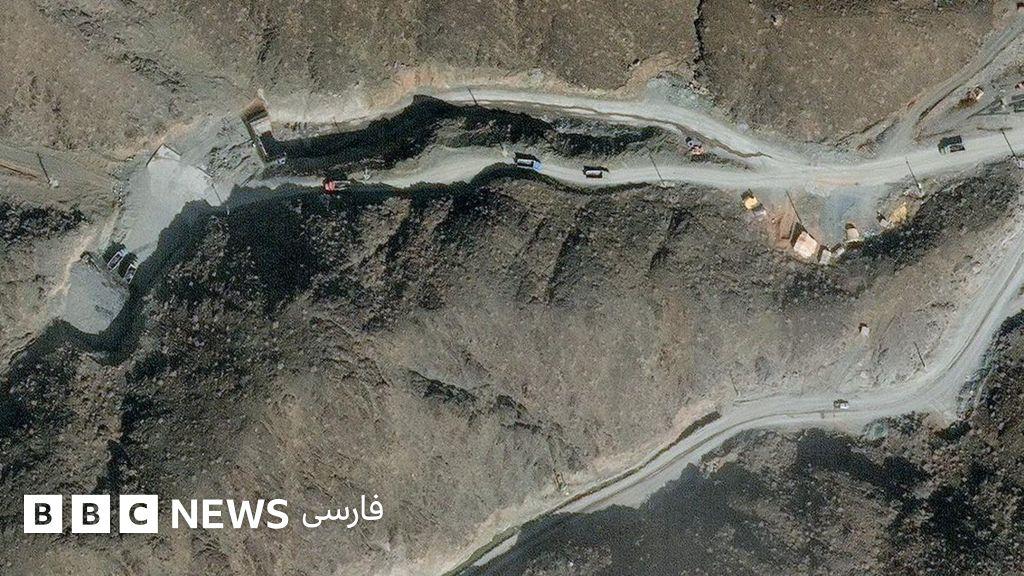
Iran Attempts To Restore Nuclear Sites Damaged In US And Israel Strikes, CNN Satellite Images Show
15 sources compared
Abbas Araghchi and Prince Faisal Bin Farhan Discuss Regional Developments After US Attacks
11 sources compared

Trump Says U.S. Agreed to Continue Iran Talks, Ceasefire Is Over
19 sources compared