
IRGC Attacks American Ships in Strait of Hormuz, Sinks Iranian Boats and Fires Drones
Key Takeaways
- U.S. forces sank Iranian boats targeting civilian ships in Hormuz.
- Iranian missiles and drones were fired at UAE oil infrastructure amid Hormuz tensions.
- Trump unveiled the 'Freedom Project' to manage safe transit through Hormuz.
Project Freedom Meets Fire
On Monday, the U.S.-Iran truce was tested in the Strait of Hormuz as American ships clearing a lane came under fire and sank Iranian boats, while Iran also fired drones and missiles at a key oil terminal in the United Arab Emirates.
PBS reported that “American ships clearing a lane in the Strait of Hormuz came under fire and sank Iranian boats,” and said the IRGC “fired missiles and drones and deployed small speedboats” against U.S. guided-missile destroyers.

In the same account, Central Command commander Adm. Brad Cooper told reporters, “The IRGC has launched multiple cruise missiles, drones and small boats at ships we are protecting,” adding, “We have defeated each and every one of those threats through the clinical application of defensive munitions.”
PBS further described the U.S. effort as “Project Freedom,” saying it was designed to clear a lane through which “dozens of ships currently stuck can pass through the strait under a defensive umbrella.”
Al Jazeera similarly framed the day as a threat to the ceasefire, saying Trump warned that Iran would be “blown off the face of the Earth” if it attacks United States ships.
The Jerusalem Post’s live updates also tied the day’s escalation to Hormuz, reporting that “Britain condemns Iranian strikes on the United Arab Emirates” and that Iran’s Araqchi said there was “no military solution in Hormuz.”
Across the reporting, the U.S. and Iran offered competing narratives about what happened at sea and what it meant for the wider conflict.
Strait Operations and the UAE
The U.S. described its Monday actions as a controlled effort to restore passage, while the UAE described direct attacks on its territory and infrastructure.
PBS said the U.S. goal was to convince shipping and insurance companies that vessels could transit the strait, noting that “two U.S. destroyers entered the strait and two U.S.-flagged commercial ships passed safely.”

It also quoted Cooper saying, “Over the last 12 hours, we have reached out to dozens of ships and shipping companies to encourage traffic flow through the strait consistent with the president’s intent to help guide ships safely through the narrow trade corridor.”
In parallel, the UAE reported that Iran struck Fujairah, with PBS stating that “Iran today resumed its attacks on Gulf oil infrastructure, striking Fujairah, the United Arab Emirates' only major port that bypasses the Strait of Hormuz.”
PBS added that “The British military also reported two ships off the coast of the UAE on fire,” and that Iran’s Foreign Ministry spokesman warned vessels in the strait, with Esmaeil Baghaei saying, “Ships, ship owners and shipping companies are well aware that ensuring their safety and security requires coordination with the relevant authorities of the Islamic Republic of Iran.”
NPR reported the same Fujairah episode in more concrete terms, saying the UAE’s Defense Ministry said its air defenses had engaged “15 missiles and four drones fired by Iran,” and that Fujairah authorities said “one drone sparked a fire at a key oil facility, wounding three Indian nationals.”
The Hill described the operational posture as escalating, saying Iran’s armed forces “would not allow passage to American combat forces or commercial ships without their authorization,” while the U.S. returned fire and “destroyed six small Iranian boats.”
Threats, Warnings, and Competing Claims
The day’s escalation was accompanied by sharp warnings and direct threats from U.S. and Iranian officials, while media accounts also highlighted disputes over what the U.S. claimed to have hit.
“What happened previously; Maersk reports the safe passage of a US-flag merchant vessel”
PBS quoted President Trump threatening that if Iran fires on U.S. vessels, “They will be blown off the face of the earth.”
Al Jazeera reported the same threat and added that Trump said, “We have more weapons and ammunition at a much higher grade than we had before,” and “We have the best equipment.”
In the Iranian response, PBS included a warning from Esmaeil Baghaei that required coordination with Iran’s authorities, while NPR said Iran’s Foreign Minister Abbas Araghchi posted on X that both the U.S. and the UAE “should be wary of being dragged back into quagmire.”
The BBC reported that Araghchi called the U.S. “Freedom Project” “a dead‑end project,” and said the minister wrote, “The developments in the Strait of Hormuz clearly show that a political crisis has no military solution.”
The Hill added that Iran’s central command, Maj. Gen. Ali Abdollahi, warned Tehran would attack “any foreign armed force” that tried to approach or enter the strait, “especially, the aggressive U.S. army,” and insisted safe passage must be coordinated with Iran “under all circumstances.”
At the same time, the reporting showed how quickly claims diverged: the BBC said the U.S. had claimed safe passage and that Iran called that claim “utterly false,” while it also noted that Maersk reported the safe passage of a U.S.-flagged merchant ship named “Elaines Firefox.”
How Outlets Framed the Same Day
While the core events were broadly consistent—U.S. efforts to open a lane, Iranian attacks near Hormuz, and strikes tied to Fujairah—different outlets emphasized different aspects and used different figures and wording.
PBS centered the operational concept, describing Project Freedom as a defensive umbrella and quoting Cooper on “more than 15,000 service members conducting Project Freedom,” while it also said the U.S. goal was to restore traffic flow for shipping and insurance companies.
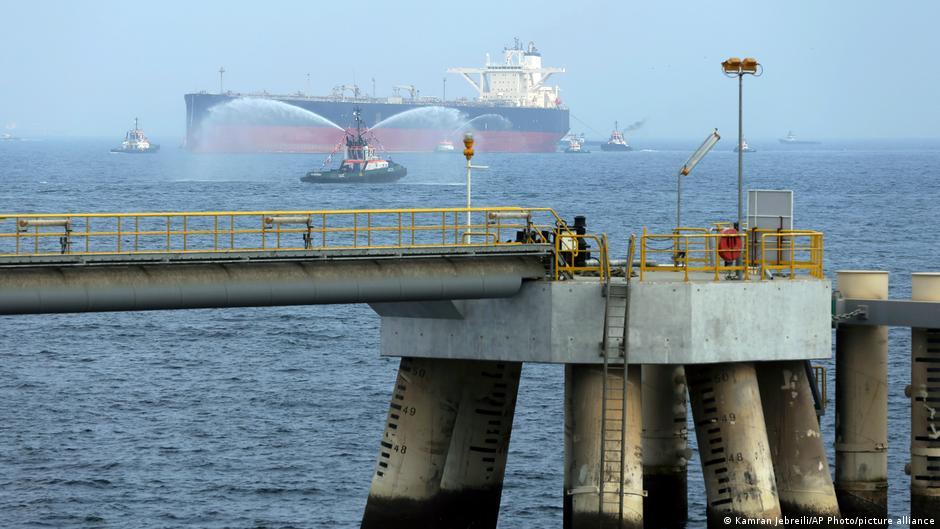
Al Jazeera foregrounded Trump’s threats and the political brinkmanship, stating that “tensions around the Strait of Hormuz push the truce between the two countries to the brink,” and reporting that the U.S. military shot down “seven small Iranian boats” near Hormuz.
DW highlighted the immediate tactical picture and the uncertainty around ceasefire status, saying Cooper “declined to say during a call with reporters whether CENTCOM deemed the ceasefire to be over or not,” while also alleging that Iran “initiated aggressive behavior” and that “military helicopters had sunk six Iranian small boats.”
NPR focused on the UAE’s first reported attack since early April and the economic and humanitarian implications, saying the UAE came under attack “for the first time since a fragile ceasefire took hold in early April,” and describing the UAE’s air defense engagement of “15 missiles and four drones.”
The Jerusalem Post’s live updates, by contrast, grouped the day into a wider regional escalation, referencing “Iran's Araqchi says no military solution in Hormuz” and “Iran threatens UAE, warns it not to become 'Israel's toy' - Tasnim,” while also including a broader list of claims about missiles and operations.
The BBC added a shipping-industry lens by reporting Maersk’s account of a U.S.-flagged merchant ship exiting the strait “without incident and all crew are safe and sound,” and by noting that Iran called the U.S. claim “completely false.”
What Happens Next
The reporting also pointed to immediate next steps and longer-term risks if the maritime standoff continues.
“The Iranian Navy said on Monday (4) that it prevented the entry of United States warships into the Strait of Hormuz by issuing a 'swift and decisive warning,' according to state television”
PBS said the U.S. military remained “poised to resume the war if the president orders them to do so,” after Trump’s threats followed Iran’s attacks.
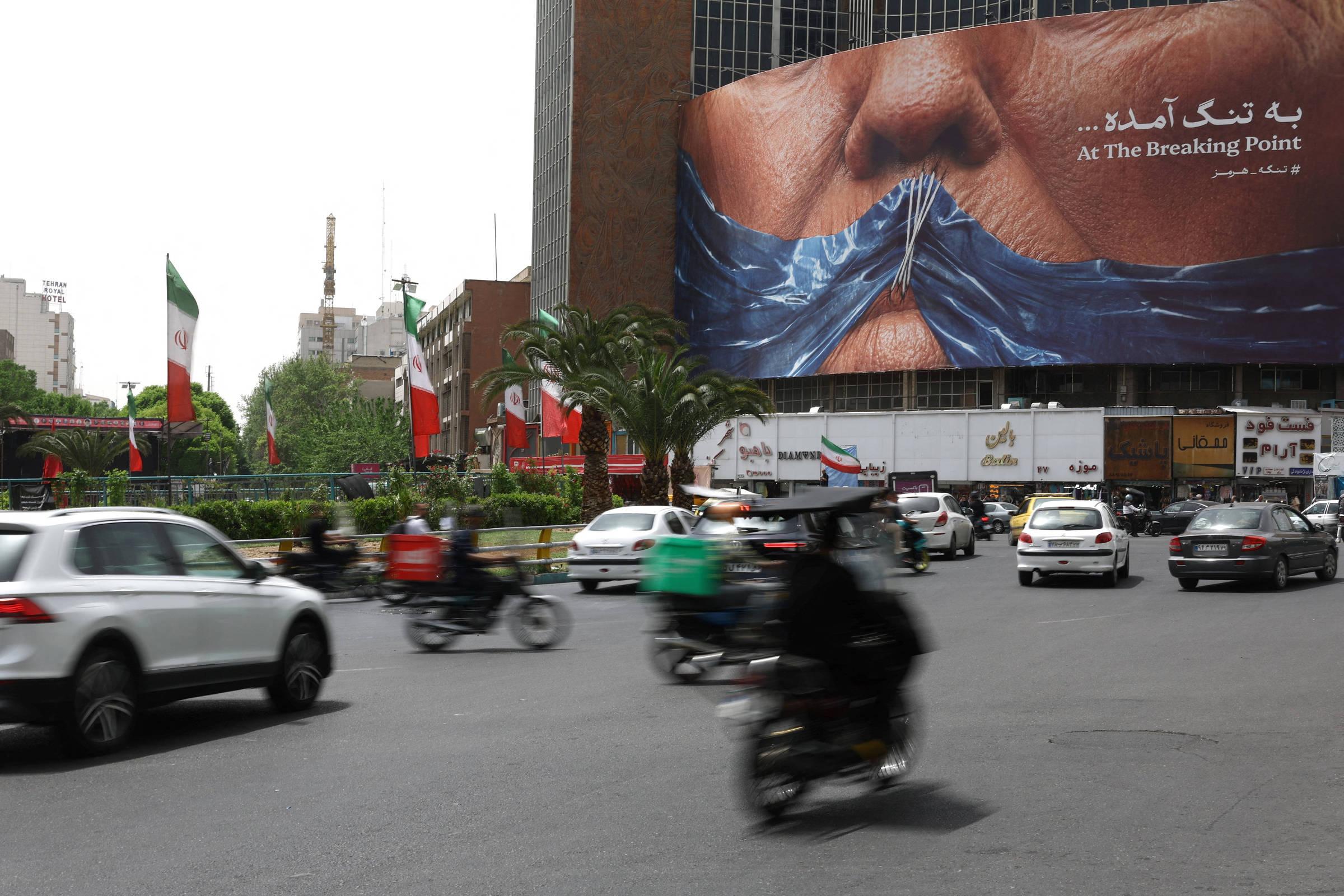
It also described the diplomacy track, saying Iranian state TV released “a new 14-point plan” requiring the U.S. to pause negotiations over its nuclear program and lift its blockade before Iran would release its choke hold over the strait.
The BBC similarly reported that Araghchi said the Freedom Project was a “dead‑end project,” and it noted that negotiations were progressing “thanks to Pakistan’s efforts,” while warning the U.S. not to be dragged back into a quagmire.
DW added a concrete operational dimension by describing Germany’s mine-hunting ship FGS Fulda leaving Kiel in northern Germany bound for the Mediterranean, with the embassy saying it was “pre-positioning so it could reach the Gulf as quickly as possible if called upon,” and listing conditions for deployment including “authorization from the German Parliament (Bundestag).”
The Hill described the U.S. posture as a large-scale effort, saying CENTCOM said Monday that “guided-missile destroyers, over 100 land and sea-based aircraft, multi-domain unmanned platforms, and 15,000 service members” would support the operation, while also stating the U.S. naval blockade “will remain in effect.”
NPR reported the immediate civilian and economic effects, saying the UAE issued “four missile alerts” and that commercial planes bound for the UAE “turned around midair,” while also noting that the U.S. said it opened a lane “free of Iranian mines.”
More on Iran

Trump Signs Iran MOU, Lifts Blockade, Reopens Strait of Hormuz for 60-Day Talks
14 sources compared
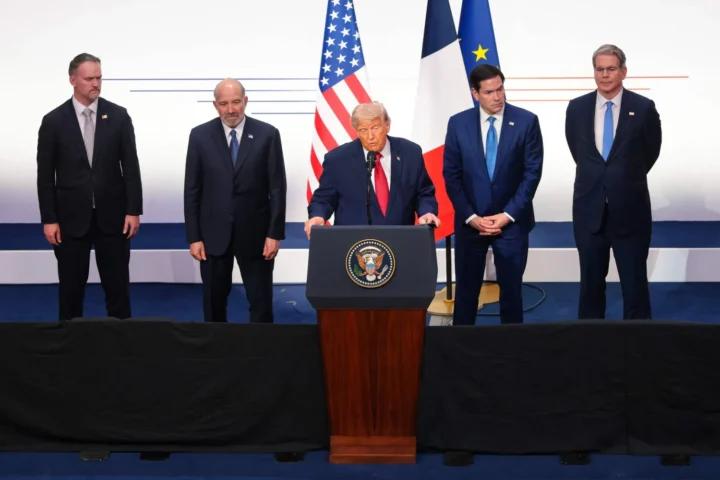
Donald Trump and Masoud Pezeshkian Sign U.S.-Iran MOU to Halt Fighting and Reopen Strait of Hormuz
15 sources compared
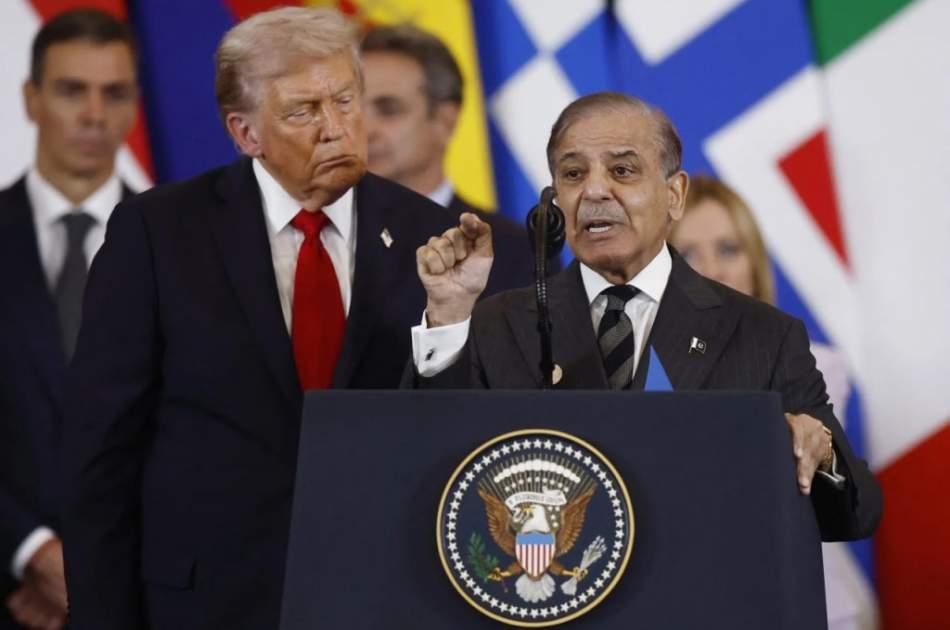
US Lifts Naval Blockade of Iranian Ports as JD Vance Says Oil Flows Through Strait of Hormuz
18 sources compared

Iran’s Supreme National Security Council Exempts Hormuz Transit Fees for 60 Days
28 sources compared