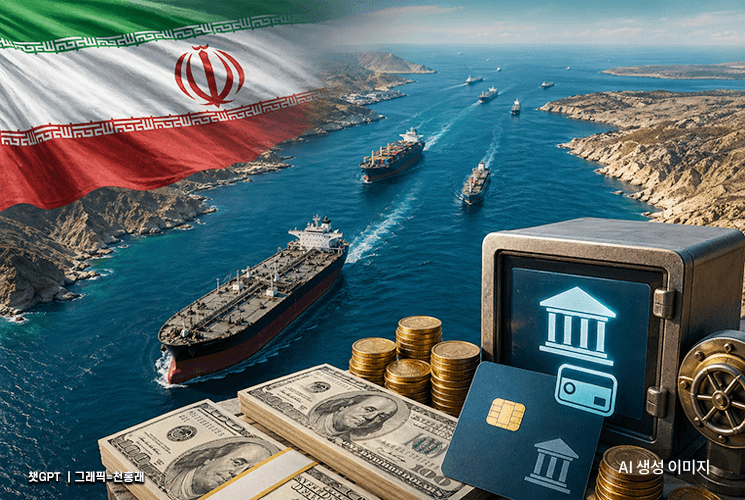
IRGC Navy Coordinates 35 Vessels Transiting Strait of Hormuz in Past 24 Hours
Key Takeaways
- IRGC Navy says 35 vessels transited Strait of Hormuz in past 24 hours.
- Transit included oil tankers and container ships among other commercial vessels.
- Transit proceeded with IRGC permission and coordination with its naval forces.
IRGC reports 35 transits
Iran’s Islamic Revolutionary Guard Corps (IRGC) Navy said 35 vessels, including oil tankers and container ships, transited the Strait of Hormuz in the past 24 hours under its coordination and security oversight.
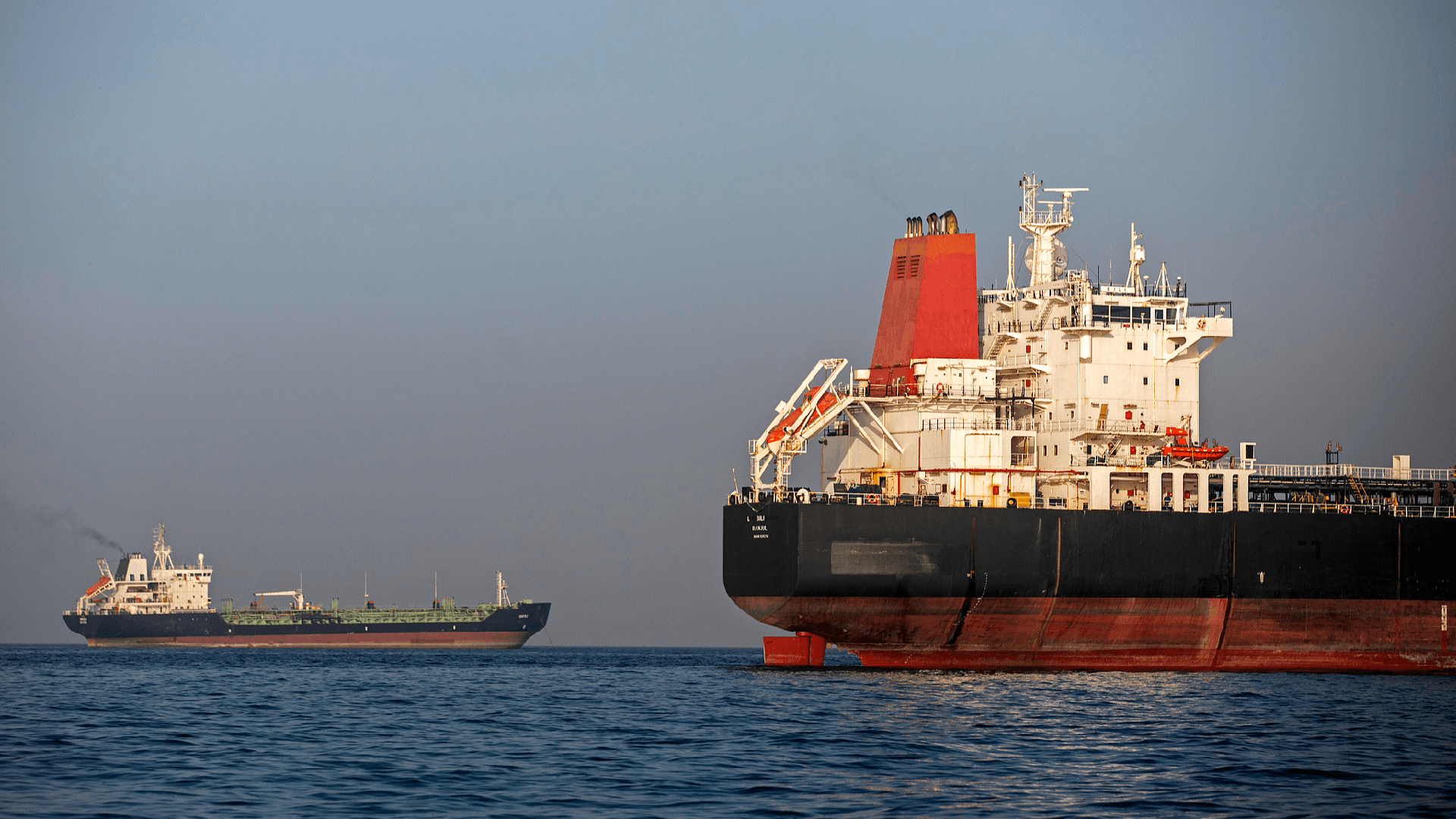
“Ships remain anchored on May 16, 2026, in the Strait of Hormuz near Larak Island, Iran”
The Maritime Executive reported that the IRGC Navy statement said 35 ships made the transit in the past 24 hours, compared with 31 on Thursday and 26 on Wednesday, while adding that no details or substantiation were provided for the claims.
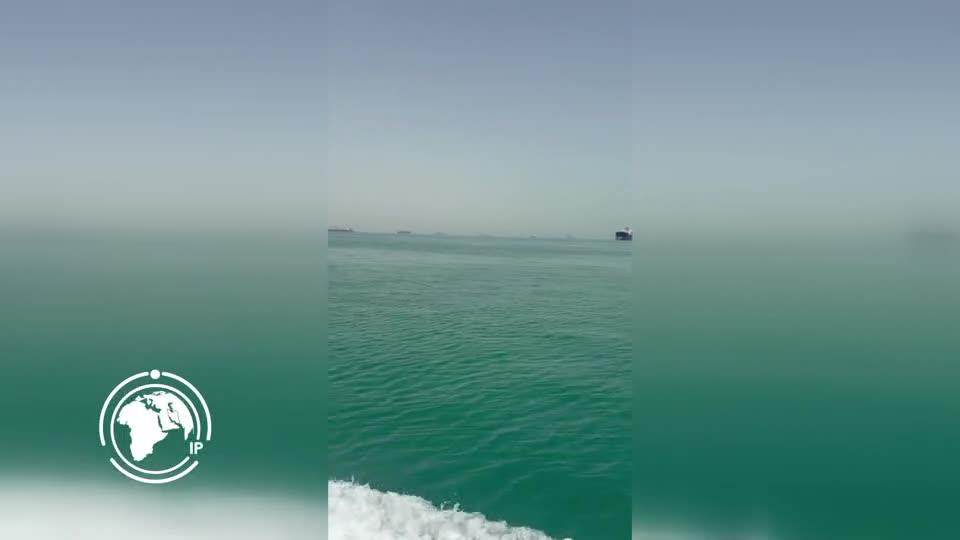
CGTN said the IRGC Navy reported 31 vessels crossed the Strait of Hormuz in the past 24 hours in coordination with and under the protection of its forces, and that the navy made efforts to create a clear and safe route for vessel traffic and the continuation of global trade.
The CGTN report also said Iran tightened its grip on the Strait of Hormuz beginning February 28, when it barred safe passage of vessels belonging to or affiliated with Israel and the United States following joint strikes on Iranian territory.
The Maritime Executive further said U.S. Central Command asserted it remains vigilant in its enforcement of the blockade, and that as of Friday it was saying 97 commercial vessels have been redirected and four were disabled.
Rubio, Trump and tolling
The Maritime Executive said France’s Foreign Ministry on Friday confirmed it has drafted a U.N. Security Council resolution as part of an international mission to reopen the Strait of Hormuz, and that France is prepared to launch a joint effort with Britain when conditions permit.
The Maritime Executive also reported that U.S. Secretary of State Marco Rubio on Friday reiterated the U.S. position that the Strait needs to be open and said it is not acceptable for Iran to be charging a fee, while describing the talks as showing "slight progress."
In a separate account, the IRGC Navy’s claim of 35 transits was framed as being conducted with permission and in coordination with the IRGC Navy, with vessels required to obtain permits from the force before passage, according to WION.
The WION report said the broader context includes Iran indicating it would continue to control transit through the strait by banning or restricting adversarial ships and charging tolls on others seeking safe passage.
The Maritime Executive added that Donald Trump said he has no timeline and that the deal must be the right deal to end the conflict.
Control, boundaries, and risk
Iran released its new boundaries for control of the area around the Hormuz Strait as it launched the Persian Gulf Strait Authority, according to The Maritime Executive.
“Iran's IRGC Navy claims 35 vessels transited through Strait of Hormuz with its "permission" ANI 22 May 2026, 20:34 GMT+10”
The Maritime Executive said Iran’s Mehr News Agency released a report claiming that Iran was exporting 1.4 million barrels of oil per day despite the U.S. blockade, while also citing International Energy Agency data that production was down by a further 620,000 barrels per day in April to 20.18 million barrels per day from OPEC.
The Maritime Executive reported that Bloomberg said Iran was having talks with Oman about control of the strait and that it was proposing its scheme for charging fees, possibly sharing revenue with Oman.
The Seoul Economic Daily said Iran’s state-run Press TV aired an explanatory video titled "Guidelines for Transiting the Strait of Hormuz" and that ships must email detailed vessel information to the newly established Persian Gulf Strait Authority (PGSA) to obtain transit permission and pay tolls when required.
The Maritime Executive concluded by saying France’s draft resolution and a separate U.S. resolution drafted with Bahrain remained bogged down after more than two weeks, with China and Russia vetoing a U.S. effort in April and the United States securing almost 140 countries as co-sponsors.
More on Iran

Pakistan Mediates US-Iran Talks as Marco Rubio Says Breakthrough Is Not Yet Reached
16 sources compared
Tulsi Gabbard Resigns As Trump’s Director Of National Intelligence, Citing Husband’s Bone Cancer
49 sources compared
Marco Rubio Says Pakistan Mediates US-Iran Talks Over Strait Of Hormuz Tolls
10 sources compared

Pakistan’s Army Chief Asim Munir Arrives In Tehran To Mediate US-Iran War Ending Talks
34 sources compared