
Pakistan Mediates US-Iran Talks as Marco Rubio Says Breakthrough Is Not Yet Reached
Key Takeaways
- Pakistan mediates Iran-US talks to push for a ceasefire deal.
- Tehran is reviewing Washington's ceasefire proposal via Pakistan, with no official response yet.
- Rubio says progress isn't achieved yet; breakthrough remains elusive.
Mediation, uranium, Hormuz
Diplomatic efforts to end the nearly three-month US-Israel war on Iran intensified as Pakistan’s Army chief Field Marshal Asim Munir arrived in Tehran, with US Secretary of State Marco Rubio saying negotiations were still far from a breakthrough.
“Tehran says it is reviewing the latest responses from the United States to its proposal to end the nearly three-month US-Israel war on Iran as mediator Pakistan steps up efforts to achieve progress in the talks that US President Donald Trump has warned are on the “borderline” between a deal and renewed strikes”
Rubio cautioned after a Nato ministers’ meeting in Sweden, telling reporters “We’re not there yet,” while Iran’s foreign ministry spokesman Esmaeil Baghaei said differences with Washington were “deep and significant.”

The talks hinge on unresolved disputes over Iran’s stockpile of highly enriched uranium and Tehran’s control over the Strait of Hormuz, through which roughly a fifth of the world’s oil and liquefied natural gas supplies pass.
The renewed push came six weeks into a fragile ceasefire after months of conflict involving Iran, the United States and Israel, with Rubio also reiterating Washington’s opposition to Iran’s proposed tolling system for ships using the strait.
In parallel, Iran signalled no immediate breakthrough, with Baghaei saying diplomacy “takes time” and indicating talks would stall if Washington insisted on detailed discussions over Iran’s highly enriched uranium stockpile.
Talks on the brink
As Pakistan’s mediation stepped up, Iran said it was reviewing the latest responses from the United States to its proposal to end the war, with Ministry of Foreign Affairs spokesperson Esmaeil Baghaei telling Nour News that the Iranians have “received US views and are reviewing them.”
The same period featured US warnings that the negotiations were on the “borderline” between a deal and renewed strikes, with Trump telling reporters, “Believe me, if we don’t get the right answers, it goes very quickly.”

Iran’s Foreign Minister Abbas Araghchi said his ministry was ready for either talks or a return to fighting, declaring “Wherever it is necessary to fight, we will fight, and wherever it is necessary to negotiate, we will negotiate.”
In the background of the diplomatic churn, the Al Arabiya TV claim relayed by investingLive said a draft agreement was expected to be announced in the next few hours, including an “Immediate and comprehensive ceasefire on all fronts.”
Even as the draft ceasefire provisions circulated, the sources also described a continuing blockade dynamic, with the Al Jazeera report noting Iran has been under a US naval blockade since mid-April and that the US boarded at least five vessels since the blockade came into effect.
What’s at stake next
The stakes of the stalled diplomacy were framed through the Strait of Hormuz and global energy risk, with the India Today report saying oil prices climbed again on Friday while the US dollar hovered near a six-week high amid fears disruption could deepen the global energy crisis and fuel inflation worldwide.
“ANI |Updated:May 21, 2026 14:26IST Tehran [Iran], May 21 (ANI): The US has submitted a new ceasefire proposal through Pakistan to bring the West Asia conflict to a permanent end, Al Arabiya reported, quoting diplomatic sources aware of the matter”
Rubio’s comments also tied the negotiation posture to shipping access, reiterating Washington’s opposition to Iran’s proposed tolling system for ships using the strait and saying the US had not asked Nato for military assistance in the Strait of Hormuz, though contingency planning remained necessary if Iran refused to reopen the waterway fully.
On the Iranian side, the ANI report said Baghaei described negotiations as taking place in an atmosphere of “deep distrust,” while also asserting Iran was pursuing talks “in good faith” even as it continued to view the US with “deep suspicion.”
The same ANI account said Iran’s key demands included the release of frozen assets, an end to what it called “maritime piracy,” and a halt to actions targeting Iranian shipping, while Baghaei said “At this stage, we are focused on ending the war on all fronts, including Lebanon.”
With the talks still unsettled, the DW brief described Iran’s rejection of holding new talks with the United States and said Tehran continued to close the Strait of Hormuz, while Trump said a US delegation would travel to Islamabad to negotiate with the Iranians.
More on Iran
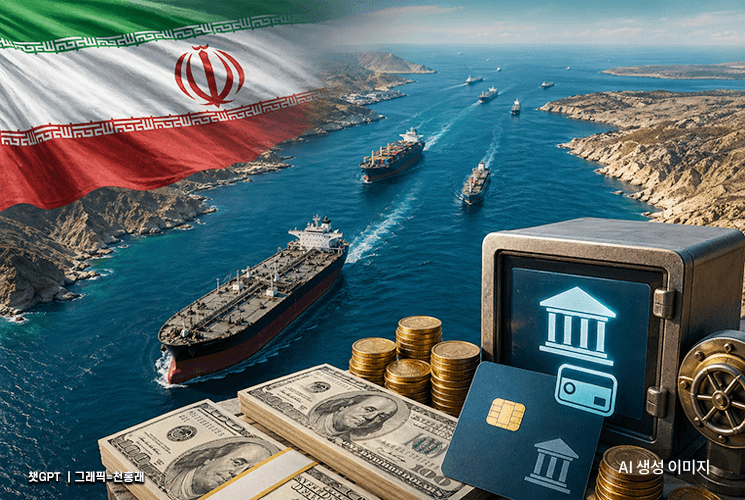
IRGC Navy Coordinates 35 Vessels Transiting Strait of Hormuz in Past 24 Hours
16 sources compared
Tulsi Gabbard Resigns As Trump’s Director Of National Intelligence, Citing Husband’s Bone Cancer
49 sources compared
Marco Rubio Says Pakistan Mediates US-Iran Talks Over Strait Of Hormuz Tolls
10 sources compared

Pakistan’s Army Chief Asim Munir Arrives In Tehran To Mediate US-Iran War Ending Talks
34 sources compared