Marco Rubio Says Pakistan Mediates US-Iran Talks Over Strait Of Hormuz Tolls
Key Takeaways
- Pakistan hosts US-Iran talks in Islamabad, signaling Pakistan-mediated diplomacy.
- Iranian diplomat Araghchi arrives in Pakistan as talks resume.
- Talks aim to end the six-week US-Iran war, Reuters reports.
Rubio, Hormuz, and Pakistan
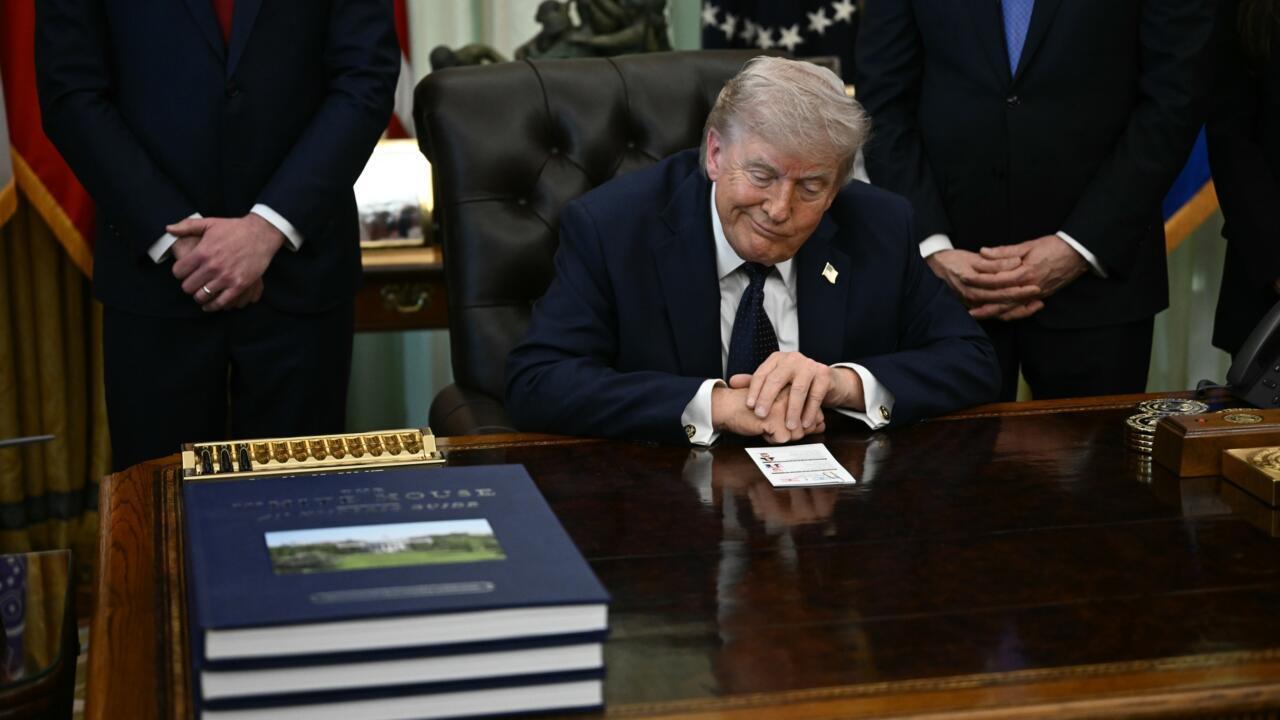
U.S. Secretary of State Marco Rubio said Washington’s negotiations with Iran aimed at ending the ongoing conflict were being handled through Pakistan, calling it the “primary interlocutor” in talks over the Strait of Hormuz.
“All you need to know – Araghchi heads to Moscow to meet the Russian president – Pressure-filled negotiations: Tehran demands the lifting of the sanctions and Trump freezes moves toward Pakistan – Araghchi returns to Pakistan and Trump sticks to victory in the Iran war – A series of Israeli airstrikes in southern Lebanon after Netanyahu’s order to attack Hezbollah targets – Failure to convene a new US–Iran negotiation round in Pakistan before it begins – Iran says it still retains a large portion of its missile stockpile despite the war – European doubts about Germany’s proposal to ease sanctions on Iran in exchange for a comprehensive deal – Araghchi heads to Moscow to conduct further talks”
Rubio warned that if Iran refuses to reopen the strait and instead seeks “to charge tolls for it,” “something has to be done about it,” while also saying Washington was awaiting ongoing discussions and that “Iran can never have nuclear weapons, it just cannot make them.”
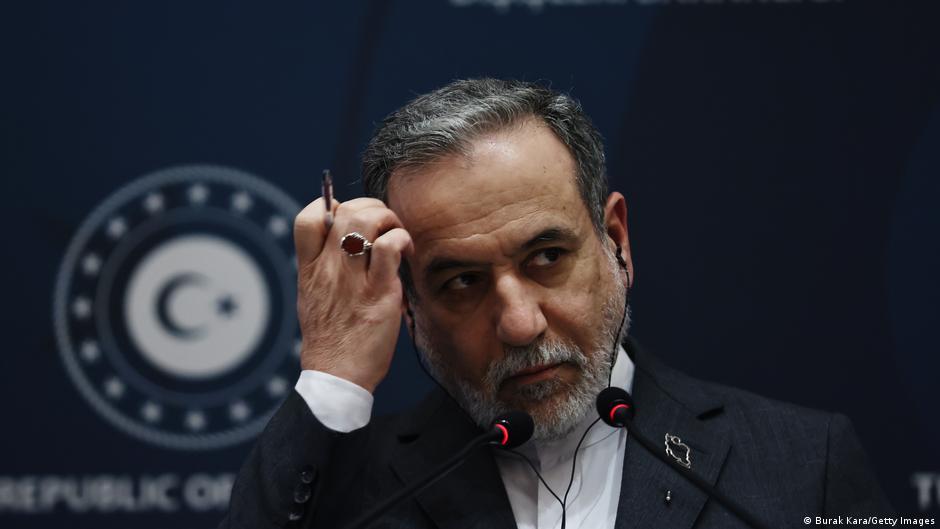
Iran’s Foreign Ministry spokesperson said talks between Iran and the United States were continuing through Pakistan as a mediator, with both sides having exchanged responses to a recent Iranian proposal.
The dispute over the Strait of Hormuz and Iran’s nuclear posture is framed by Rubio as part of a broader negotiation agenda, while the Express Tribune reports his comments after meetings with NATO allies in Sweden.
Baghaei and the talks’ friction
Iran’s Foreign Ministry spokesperson Esmaeil Baghaei said U.S. demands aimed at tempering Iran’s nuclear ambitions were “unreasonable” and “excessive,” while Reuters-linked reporting around Rubio described the United States as in constant communication with Pakistanis facilitating the talks with Iran.
The Jerusalem Post’s live updates also cite Rubio saying the United States was “not there yet,” even as he cited “some progress” on Iran talks after a NATO Foreign Ministers meeting in Helsingborg, Sweden.
In a separate account, Axios reported that talks held on Saturday in Pakistan failed because of a dispute over the size of Iranian funds Washington was supposed to release and over control of the Strait of Hormuz, with J.D. Vance saying the United States and Iran had held “substantive” talks for 21 hours but “were unable to narrow the gap.”
The same Axios framing, as relayed by Sky News Arabia, describes the deadlock as threatening the ceasefire agreed last week for two weeks, with renewed fighting and escalation possible if the impasse persists.
What’s at stake next
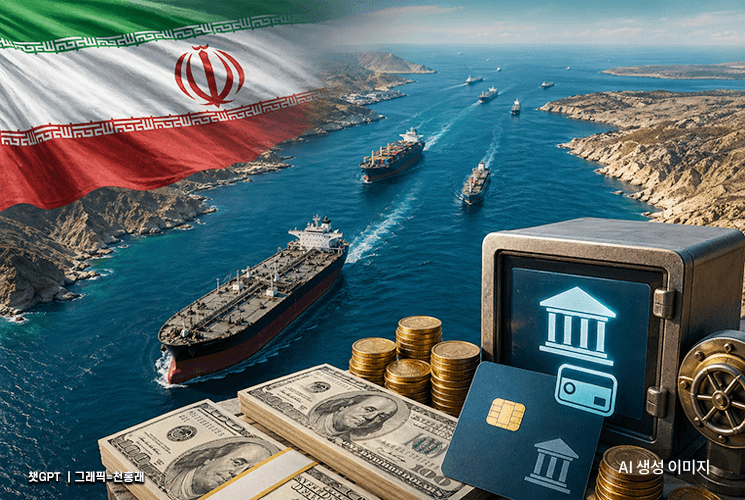
As negotiations continue through Pakistan, the sources describe a widening set of conditions and leverage points, including Iran’s insistence on asserting authority over the Strait of Hormuz, where it aims to collect transit fees and control access.
“Rubio says Pakistan remains 'primary interlocutor' in US-Iran talks Says US continues working through Pakistan on Iran issue, calls its role 'admirable' United States Secretary of State Marco Rubio on Friday reiterated that Pakistan remained the “primary interlocutor” in Washington’s negotiations with Iran aimed at ending the ongoing conflict”
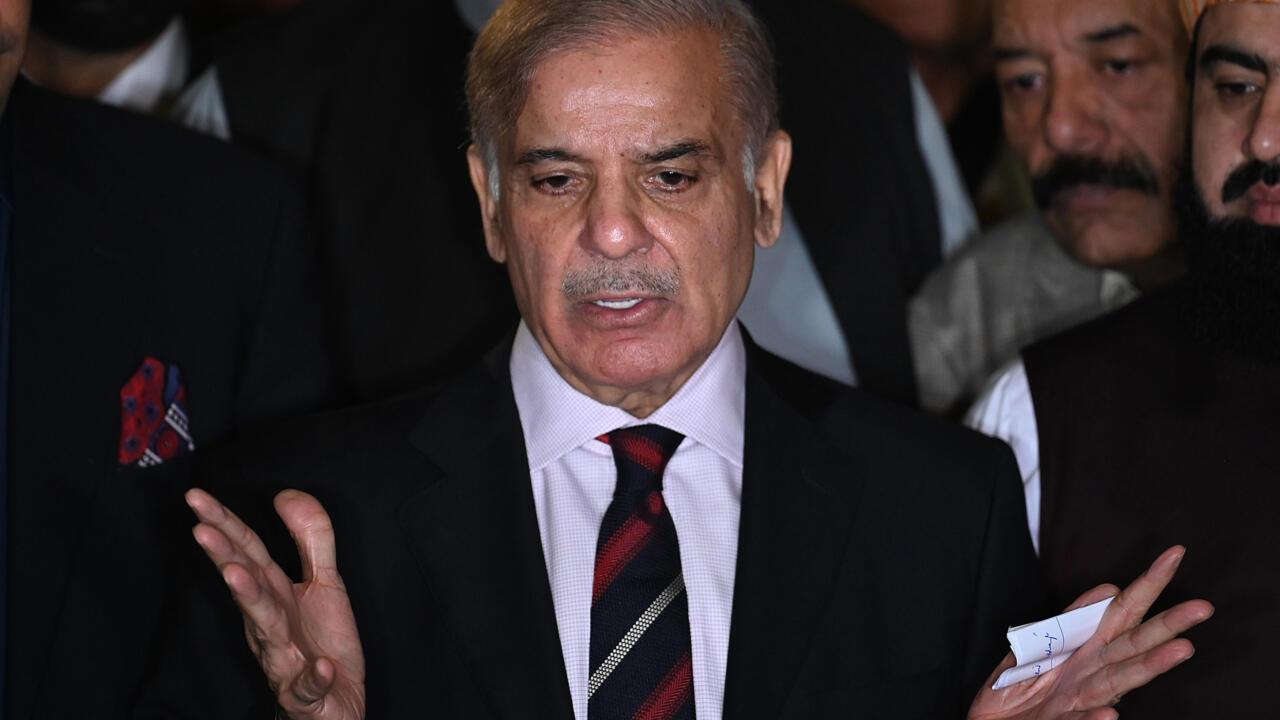
The Reuters account carried by صحيفة أحوال الإلكترونية says the Iranian delegation’s conditions conveyed to Shehbaz Sharif relate to the Strait of Hormuz, the release of frozen Iranian assets, payment of war reparations, and the implementation of a ceasefire across the region.
The same Reuters-linked reporting says Iran’s agenda in Islamabad also includes asserting its authority over the Strait of Hormuz, and it adds that “Before the war, around 20 percent of global oil and natural gas shipments passed through the strait,” making reopening and transit terms central to any outcome.
Against that backdrop, the Express Tribune reports Rubio’s view that Washington was working through the UN on a Bahrain-sponsored resolution related to the issue, while warning that contingency planning must be ready if Iran refuses to cooperate.
More on Iran
IRGC Navy Coordinates 35 Vessels Transiting Strait of Hormuz in Past 24 Hours
16 sources compared

Pakistan Mediates US-Iran Talks as Marco Rubio Says Breakthrough Is Not Yet Reached
16 sources compared
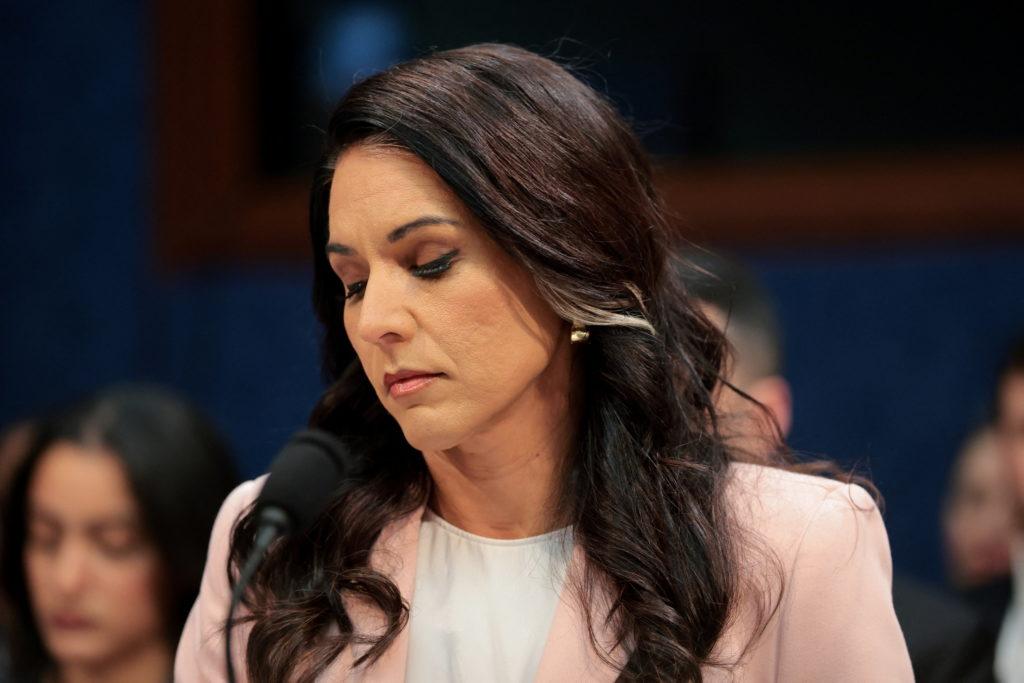
Tulsi Gabbard Resigns As Trump’s Director Of National Intelligence, Citing Husband’s Bone Cancer
49 sources compared

Pakistan’s Army Chief Asim Munir Arrives In Tehran To Mediate US-Iran War Ending Talks
34 sources compared