Iran22 May, 20262 min read
Tulsi Gabbard Resigns As Trump’s Director Of National Intelligence, Citing Husband’s Bone Cancer
Tulsi Gabbard resigned as Director of National Intelligence citing her husband's cancer diagnosis. Trump named Aaron Lukas acting Director of National Intelligence after Gabbard's resignation.
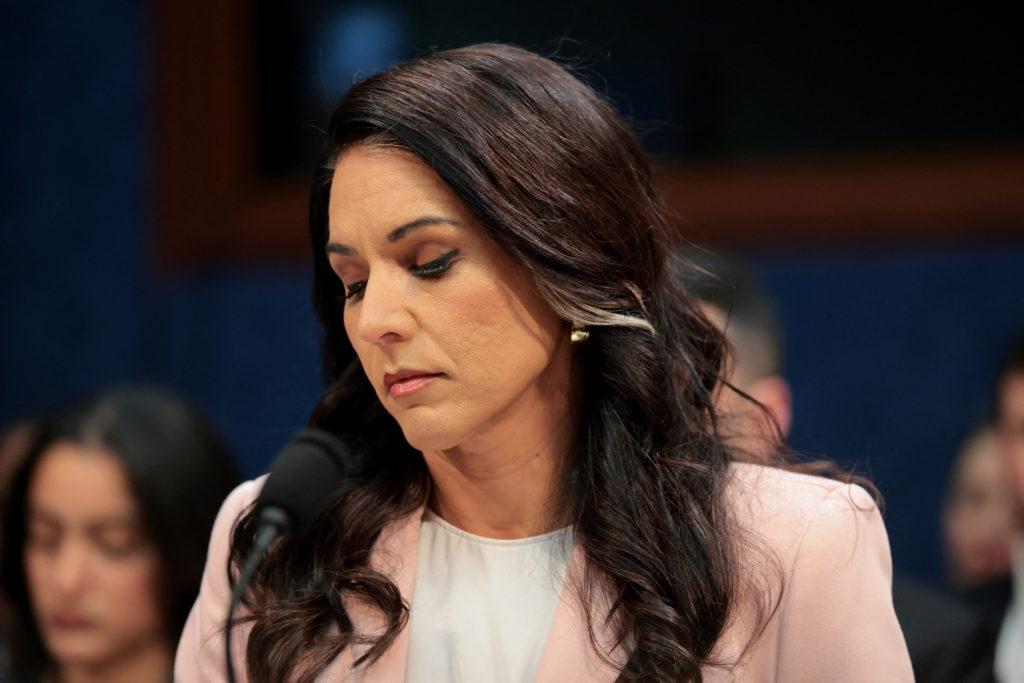
Gabbard quits amid Iran war
Tulsi Gabbard announced she will resign as President Donald Trump’s director of national intelligence, effective 30 June, citing her husband Abraham Williams’s “extremely rare form of bone cancer.” In her resignation letter, Gabbard wrote, “I cannot in good conscience ask him to face this fight alone while I continue in this demanding and time-consuming position.”
Trump confirmed her departure in a Truth Social post, saying Gabbard “has done an incredible job, and we will miss her,” and named Aaron Lukas as acting director of national intelligence. The BBC and CNBC both tied the timing to the Iran conflict, noting that Gabbard had been largely out of public view even as the US took military action against Iran and that her anti-interventionist stance had created tension after Trump decided to attack Iran.

Clashes over nuclear threat
The BBC reported that Trump had dismissed Gabbard’s earlier declaration before Congress that Iran was not seeking to build a nuclear weapon, with Trump saying, “I don't care what she said.” In the same BBC account, it said Gabbard’s departure came two months after her top aide, former National Counterterrorism Center Director Joe Kent, left the administration over the war in Iran and urged Trump to “reverse course.”
AP described how Gabbard’s measured comments during a congressional hearing in March avoided endorsing the Iran war, while she repeatedly dodged questions about whether the White House had been warned of potential fallout including Iran’s “effective closure of the Strait of Hormuz.” AP also said Gabbard told lawmakers, “It is not the intelligence community’s responsibility to determine what is and is not an imminent threat,” framing the decision to strike Iran as Trump’s rather than hers.

What changes next
With Gabbard’s resignation effective 30 June, Trump said Aaron Lukas, her principal deputy, would serve as acting director of national intelligence, and the BBC noted the intelligence community coordinates among multiple intelligence agencies under the DNI role. The Guardian reported that Gabbard was sidelined as Trump launched attacks on Venezuela and Iran, and it said the White House forced her to resign, citing a Reuters news agency report.
In the Guardian’s account of the political fallout, Democratic senator Mark Warner said, “The next DNI must be committed to restoring trust in the office, protecting the integrity of our intelligence,” while Democratic senator Adam Schiff argued in a post on X that “She politicized intelligence.” The Guardian also said the ODNI credited Gabbard with “a transformational effort to reshape the Intelligence Community in ways no predecessor had attempted,” even as it described her tenure as marked by exclusion from key decisions and public statements concerning February’s decision to renew military strikes on Iran.