IRGC Navy Coordinates Transit of 26 Vessels Through Strait of Hormuz in 24 Hours
Key Takeaways
- IRGC says 26 vessels passed Hormuz in 24 hours with its coordination.
- IRNA and CGTN report 31 vessels passed Hormuz in 24 hours under IRGC coordination.
- Discrepancies exist between reports: 26 vs 31 vessels in 24 hours.
26 Vessels, New Map
Iran’s Islamic Revolutionary Guard Corps (IRGC) said it coordinated the transit of 26 vessels through the Strait of Hormuz in the past 24 hours, as talks between Washington and Tehran over resumption of traffic remain stalled.
“Iran’s Islamic Revolutionary Guard Corps (IRGC) has said it coordinated the transit of 26 vessels through the Strait of Hormuz in the past 24 hours, as talks between Washington and Tehran over the resumption of traffic through the narrow waterway remain stalled”
The IRGC statement carried by Iran’s state-affiliated ISNA news agency said, “Traffic through the Strait of Hormuz is being carried out with permission and in coordination with the IRGC Navy,” on Wednesday.

Later on Wednesday, Iran’s Persian Gulf Strait Authority (PGSA) published a new map of Hormuz on X, marking a controlled maritime zone that vessels will not be able transit without its authorisation.
The authority said the zone stretches from Kuh-e Mubarak in Iran to south of Fujairah, in the United Arab Emirates, at the eastern entrance of the strait, and from the tip of Qeshm Island to Umm al-Quwain at the western entrance.
Al Jazeera also reported that the standoff has raised concerns over a looming humanitarian catastrophe, with the Food and Agriculture Organization of the United Nations warning the blockage could trigger a severe global food price crisis within six to 12 months.
31 Ships Claim
Iran’s IRGC Navy said 31 vessels transited the Strait of Hormuz over the past 24 hours, including oil tankers, container ships, and commercial vessels, and it framed the movement as coordinated with its forces.
Rudaw.net reported the IRGC Navy said, “Over the past 24 hours, 31 ships, including oil tankers, container ships, and other commercial vessels, crossed the Strait of Hormuz under the coordination and security provided by the IRGC Navy,” while claiming transit is carried out by obtaining permission and in coordination with the IRGC Navy.

The same Rudaw.net account placed the announcement amid months of maritime restrictions after a six-week war involving the US, Israel, and Iran that began on February 28, followed by a Pakistan-brokered two-week ceasefire on April 8 that US President Donald Trump later extended indefinitely.
Rudaw.net also said that since April 11 the US Central Command (CENTCOM) has enforced a blockade on Iranian ports, and it cited CENTCOM saying its forces had “redirected 94 commercial vessels and disabled 4 while enforcing the blockade to prevent the flow of commerce into and out of Iranian ports.”
In a separate report, VOI.id likewise said the IRGC allowed 31 commercial vessels to pass through the Strait of Hormuz in 24 hours, citing the IRGC Navy’s statement shared by Iran’s Tasnim news agency.
Control, Trade, and Risk
The IRGC and Iranian authorities described a controlled transit system for the Strait of Hormuz, with the IRGC Navy saying it coordinated passage and worked to establish designated safe routes for continued global trade.
“IRGC: 31 ships pass Hormuz in coordination with Iran - Breaking The News Home Markets Economy Business Politics World War/Terrorism Technology Crypto Sports Insights [](https://breakingthenews”
Press TV said the Iranian authority controlling the Strait defined a supervisory management zone and that movement through the strategic corridor requires coordination and a permit, quoting the zone as “the line connecting Mount Mubarak in Iran and southern Fujairah in the United Arab Emirates.”
Press TV also reported that Reuters cited shipping officials describing IRGC control through military checkpoints, ship vetting, diplomatic arrangements and security fees for safe passage, and it included a Reuters-cited European shipping source saying, “The affiliation check is to identify if the vessel has any connection to the US or Israel.”
Al Jazeera reported that Trump spoke about “progress” made in negotiations with Iran while also threatening to resume military action if Iran does not agree to a deal, and it quoted Iran’s Foreign Minister Abbas Araghchi warning “return to war will feature many more surprises.”
With the standoff affecting shipping and energy markets, Al Jazeera said the Food and Agriculture Organization warned the disruption could trigger a severe global food price crisis within six to 12 months, calling the disruption “the beginning of a systemic agrifood shock.”
More on Iran

Iran Condemns Donald Trump’s One Shot Threat Against Ali Khamenei Funeral Leaders
11 sources compared
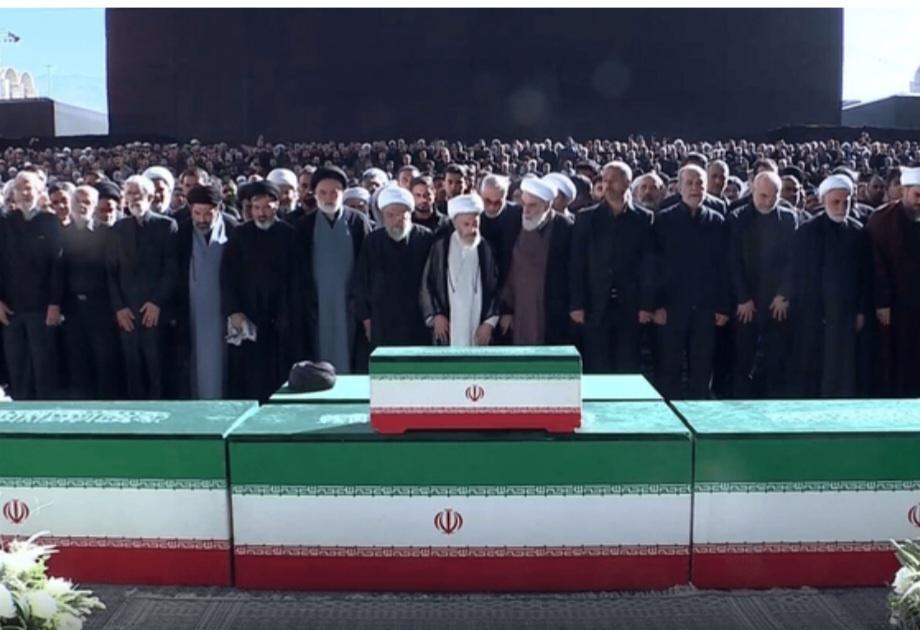
Iran Holds Week Of Ceremonies For Ayatollah Ali Khamenei Funeral In Tehran After US-Israeli Airstrike
12 sources compared
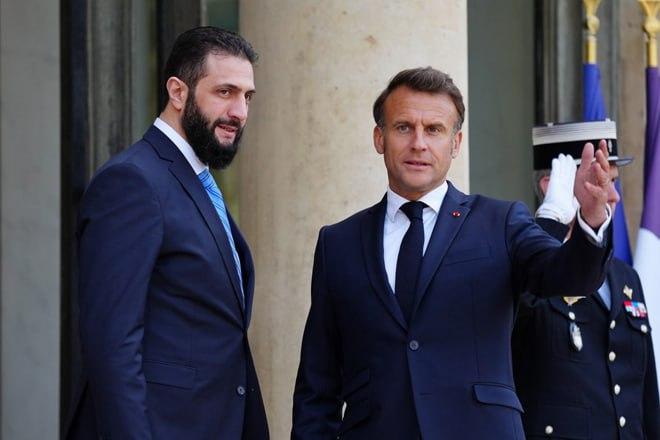
Emmanuel Macron Expected To Visit Damascus To Reinforce Economic Cooperation With Syria
24 sources compared

Trump Tells Axios Netanyahu Knows Who the Boss Is Ahead of White House Meeting
18 sources compared