
Full story
Six months, no end
Six months into the U.S.-Iran conflict, Reuters reported that the war President Donald Trump described as a “short trip” has become a crisis that threatens to undermine his presidency, with Iran not yielding and the navigation through the Strait of Hormuz remaining highly disrupted.
“the war described by President Donald Trump as a “short trip” has become a crisis”
Reuters said there was “no clear path to end the conflict,” after Trump once predicted it would end within four weeks.
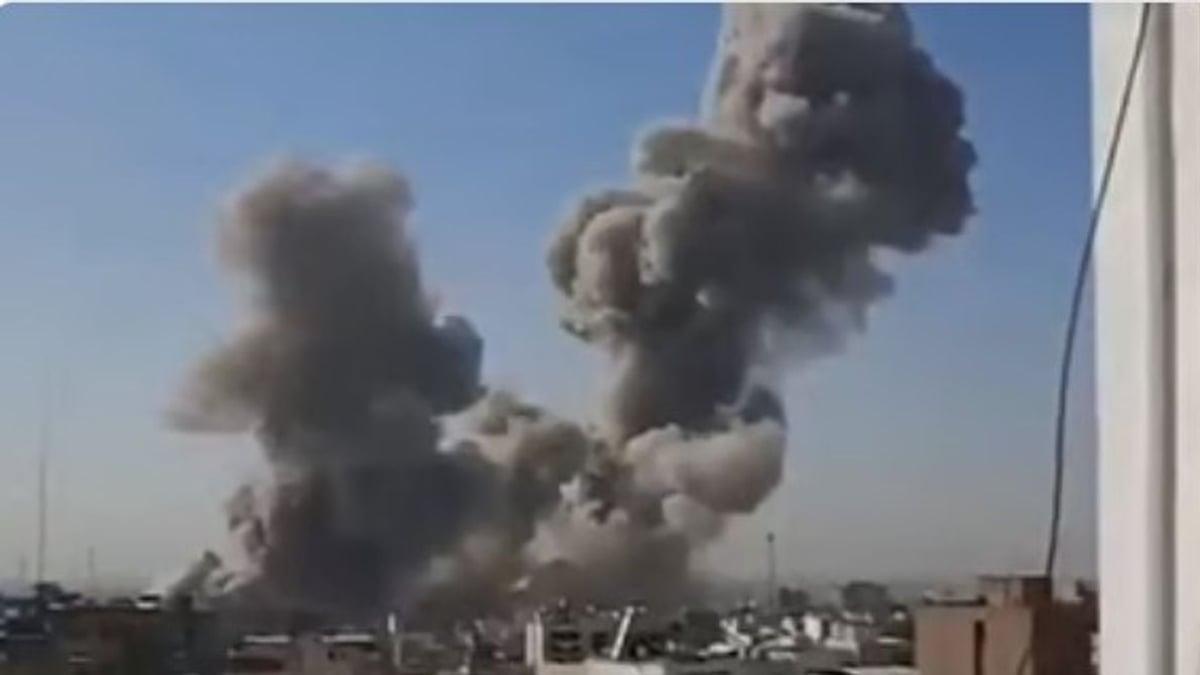
In the U.S., WHAM in Rochester, N.Y., aired accounts from people evacuated from the Middle East, including Tommy Mach, a Fairport resident and retired Marine, who said he was in Abu Dhabi on a business trip when things “suddenly became serious.”
Mach said he heard explosions above an airport while waiting for an airplane, and he later told WHAM, “I hope that it ends quickly,” adding, “I hope that we can bring our troops back.”
Attacks, blockade, and costs
As the conflict entered its sixth month, ABC News said the war began on Feb. 28 when the U.S. and Israel launched strikes that took out much of Iran’s leadership and damaged key Iranian military sites, and Trump told the American people the war was meant to “defend the American people by eliminating imminent threats from the Iranian regime.”
ABC News reported that the U.S. Central Command said it has hit more than 13,000 Iranian targets, and it described Iran shutting down commercial traffic through the Strait of Hormuz as turning the waterway into a household name and chocking one of the world’s most important shipping lanes.

ABC News also said six months in, global oil prices are up about 25% and the average gallon of gas nationwide hovers over $4, while a Brown University energy cost tracker estimates the average American has spent nearly $700 more in fuel prices since the war began.
In a separate report, ABC said the U.S. strike on Larek Island in the Strait of Hormuz left at least two dead and two more injured, with the Iranian Revolutionary Guard confirming “martyrs and wounded” and warning there will be a “punishment.”
What comes next for Americans
Looking ahead, Reuters said six months after the outbreak of the war, “The readiness of the U.S. military declined,” and it cited a May report from the Congressional Research Service stating that 42 U.S. military aircraft were lost in the conflict.
“A May report from the Congressional Research Service stated that 42 U.S. military aircraft were lost”
In the U.S. political arena, Al Jazeera reported that oil prices have remained high and that the average price of one gallon of petrol in the U.S. is still more than $4, up from less than $3 when the U.S. and Israel launched the war on Iran in late February.
Al Jazeera added that the skyrocketing energy prices are “fuelling inflation in the US,” and said they could hurt Trump’s Republican Party’s chances of maintaining control of Congress in November’s midterm elections.
Meanwhile, Reuters framed the broader political stakes as Trump paying a political price, saying a Reuters/Ipsos poll found Trump’s approval rating fell from 40% to 33% since the conflict began as rising gasoline prices undercut his 2024 campaign promise to lower costs for Americans.