Gaza Genocide16 April, 20267 min read
Isaac Herzog Rejects Netanyahu Pardon, Seeks Mediation for Plea Deal in Corruption Case
This article is an automated aggregation of coverage from news outlets. Our editorials offer in-depth analysis curated by the NewsCord team.
Herzog will not grant a pardon and will pursue mediation to secure a plea deal. He delayed the pardon decision, prioritizing plea-bargain efforts between Netanyahu's camp and prosecutors.
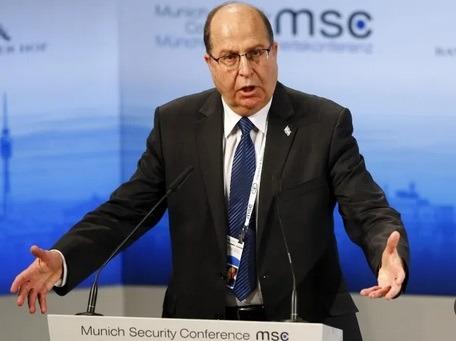
Pardon Delayed, Plea Sought
Israel’s President Isaac Herzog has decided not to issue a pardon to Prime Minister Benjamin Netanyahu in his corruption case at this time, and instead will seek mediation to reach a plea deal, according to officials cited by the New York Times.
“President Isaac Herzog has stated on several occasions that he regards reaching an amicable solution between the parties as an important public interest.”
The New York Times reports that for months Herzog has deliberated over whether to grant Netanyahu a pardon in his long-running corruption trial, but “does not plan to give Mr. Netanyahu a pardon anytime soon.”
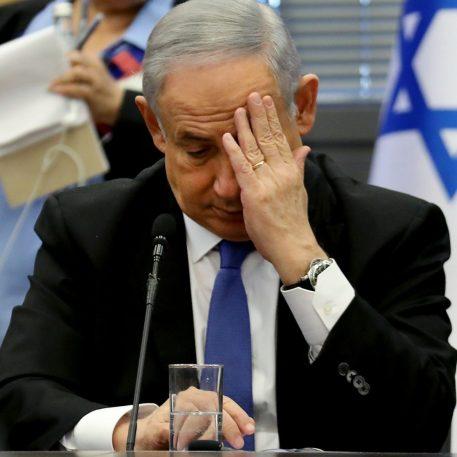
The Times says Herzog believes “there are many options beyond the binary pardon-or-no-pardon choice,” and that his role is to “foster unity,” preferring negotiations over a unilateral decision.
In a statement, Herzog’s office said: “President Isaac Herzog has stated on several occasions that he regards reaching an amicable solution between the parties as an important public interest.”
The Times also notes that Netanyahu, 76, has been on trial for almost six years, charged with bribery, fraud and breach of trust, and that the prime minister’s office and Netanyahu’s lawyer did not immediately respond to requests for comment.
The Times of Israel similarly reports that Herzog “rebuffed, at least temporarily, Prime Minister Benjamin Netanyahu’s request for a pardon,” saying he would instead push for fresh talks to mediate a plea deal between Netanyahu and the Attorney General.
TRT World and ynetnews both describe Herzog’s position as postponing any pardon decision while efforts to reach an agreement outside the courtroom are exhausted, with TRT World quoting Herzog’s statement that “efforts should first be exhausted to reach an agreement between the parties, outside the courtroom.”
Legal Timing and War Pressure
Multiple outlets tie Herzog’s decision to the legal posture of Netanyahu’s case and to the political pressure surrounding it.
The Jerusalem Post says Herzog does not plan to pardon Netanyahu “in the near future,” citing the New York Times and describing Herzog’s preference for negotiations as a way to address a politically explosive question without “tearing further at the country’s already-frayed civic fabric.”
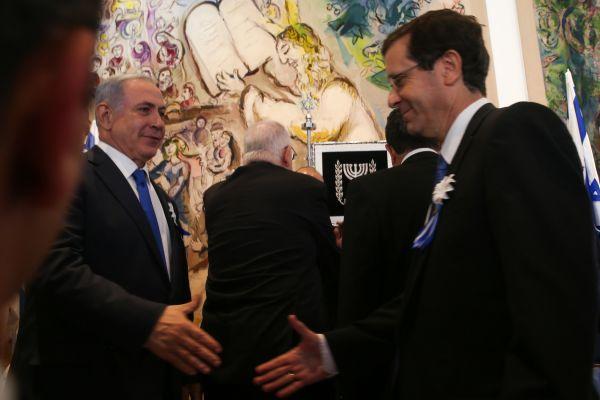
TRT World reports that Herzog said he will consider the pardon request only after efforts to reach a plea deal are exhausted, and it places Netanyahu’s legal troubles as beginning “around a decade ago,” with the trial “began in 2020” and Netanyahu “is Israel's first sitting prime minister to be charged with a crime.”
The Times of Israel adds that Herzog’s statement came after a report that he would seek mediation because he believes his job is to foster unity, and it says Herzog’s reported caution reflects tensions “exacerbated by Israel’s recent wars and this year’s election.”
In the New York Times account, officials say Herzog believes there are options beyond “binary pardon-or-no-pardon,” and that he does not plan to say yes or no at this stage, preferring negotiations.
Minute Mirror similarly states that Israeli law grants the president authority to pardon convicts but that “no precedent exists for granting a pardon during an ongoing trial,” and it says the trial “resumes this week.”
The Times of Israel also reports that the Justice Ministry’s Pardons Department said last month that a pardon would be “extremely problematic,” and it quotes the department’s position that “we cannot recommend that the president take the exceptional and far-reaching step of exercising the pardon authority in a manner that would halt the legal proceedings currently being conducted against Mr. Netanyahu.”
Trump Attacks, Herzog Holds Line
The decision has been accompanied by repeated pressure from U.S. President Donald Trump and sharp public attacks on Herzog.
“Wouldn't your weak president pardon him? He has repeatedly, more than once, promised me that he would pardon him, but he lied to me.”
TRT World reports that Trump has called on Herzog to grant Netanyahu a pardon “several times, including in March, during the Iran war, when the trial was put on hold,” and it says Trump called Herzog “weak and pathetic” and accused him of lying about a promise to pardon Netanyahu.
TRT World quotes Trump saying: “He told me many times, more than once, that he would pardon him, and he lied to me,” and it adds that Trump said Herzog was “not a leader.”
In a separate report, ال جزيرة نت quotes Trump attacking Herzog on Israel’s Channel 14, saying: “Wouldn't your weak president pardon him? He has repeatedly, more than once, promised me that he would pardon him, but he lied to me.”
The same outlet quotes Trump stressing that Netanyahu should focus “on the war, not on these trivialities.”
The Times of Israel adds that Herzog has held off on granting Netanyahu a pardon despite “immense pressure from US President Donald Trump,” and it says Netanyahu’s supporters echoed the request for immediate clemency while Netanyahu’s opponents urged clemency only if he admits guilt and resigns.
Against that backdrop, Herzog’s office statement repeatedly returns to the idea of exhausting mediation efforts outside court, including the formulation: “Therefore, the president believes that before addressing the pardon request itself, efforts should first be exhausted to reach an agreement between the parties, outside the courtroom.”
Different Outlets, Different Emphases
While all the reports describe Herzog delaying a pardon and pushing for mediation toward a plea deal, the outlets differ in what they foreground and how they frame the political stakes.
The New York Times emphasizes Herzog’s internal deliberations and the idea that “there are many options beyond the binary pardon-or-no-pardon choice,” citing “two senior Israeli officials with direct knowledge of Mr. Herzog’s thinking” who spoke anonymously because the issue is “so politically sensitive.”

The Times of Israel frames the move as a rebuff to Netanyahu’s request and highlights the legal complications of a pardon versus a plea bargain, while also quoting Netanyahu’s earlier argument that “national unity is required” and that the trial “stirs divisions and deepens rifts.”
TRT World centers the international pressure narrative by highlighting Trump’s attacks and calling out that Herzog’s spokesperson declined to comment beyond the statement, while ynetnews adds a domestic political context by saying polls indicate “about half of Israelis oppose a pardon.”
Minute Mirror focuses on the legal absence of precedent, stating that “no precedent exists for granting a pardon during an ongoing trial,” and it notes that Netanyahu submitted his pardon request in November.
Israel Hayom and i24NEWS both describe Herzog’s approach as not expected to grant a pardon “at this stage,” and they quote the President’s office language about exhausting a process “outside the walls of the court.”
The Jerusalem Post adds a personal dimension by quoting Herzog’s earlier interview in which he said he would “fully welcome” talks and that a plea bargain could address “yet another painful issue in the Israeli public arena.”
What Happens Next
The next steps described across the reports revolve around whether mediation can produce a plea deal and how that would interact with Netanyahu’s ongoing trial schedule. TRT World says Netanyahu is “due to return to court this week as the trial, which began in 2020, resumes,” and it reiterates that Herzog will consider the pardon request only after plea-deal efforts are exhausted. Minute Mirror similarly says “The trial, which began in 2020, resumes this week,” and it notes that Netanyahu submitted his pardon request in November.
The Times of Israel adds that Herzog’s statement came after the Justice Ministry’s Pardons Department published a position paper saying it was “extremely problematic” to grant a pardon while the trial is ongoing and while Netanyahu has not admitted guilt or expressed remorse. The Times of Israel also reports that a position paper later submitted by far-right Heritage Minister Amichay Eliyahu reportedly endorsed Netanyahu’s pardon request, and it quotes Eliyahu criticizing Herzog’s decision to seek a plea bargain: “It is unfortunate that the president of the country has today chosen the easy way out of legal procedure, rather than the path of leadership.”
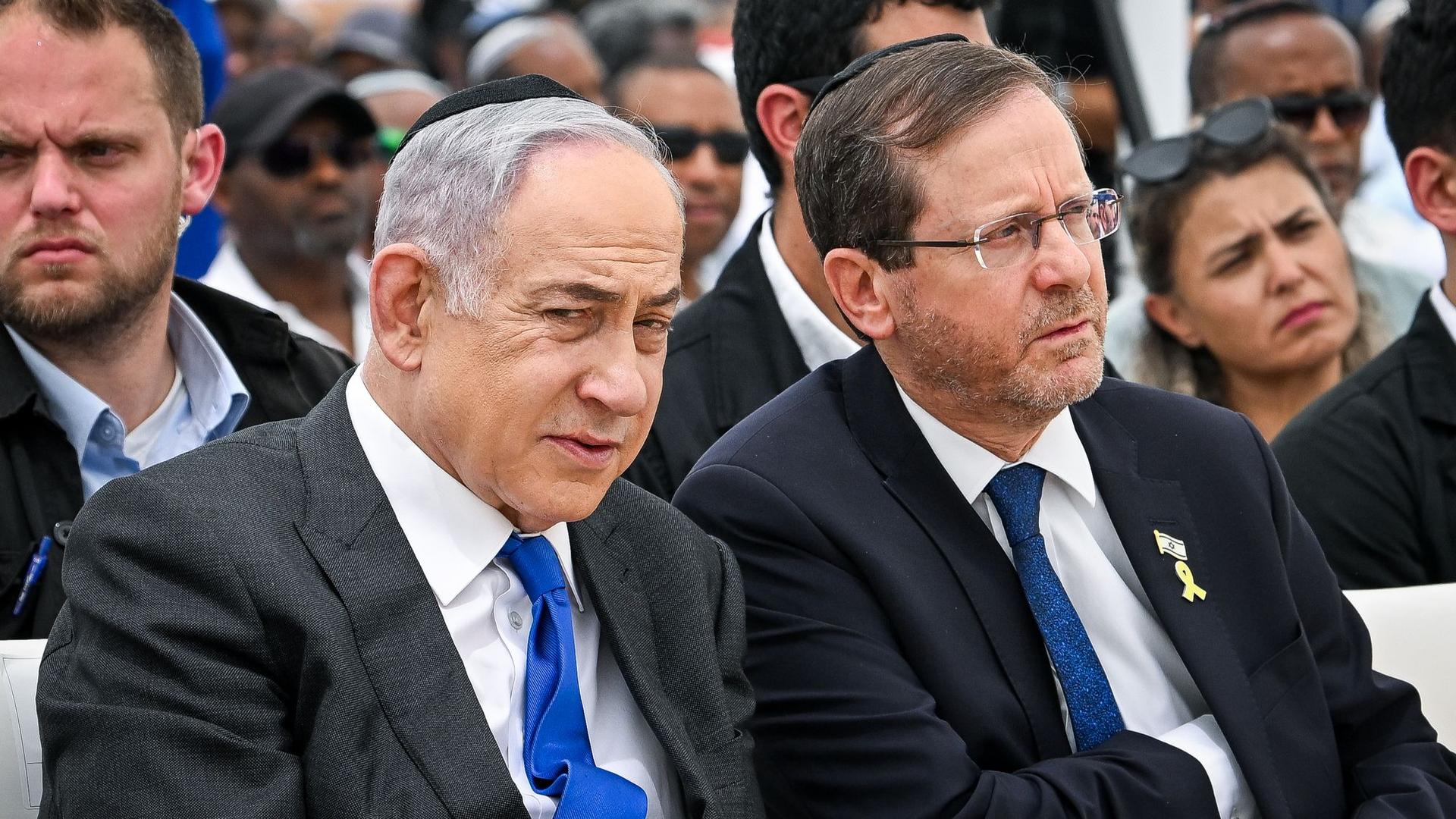
In ynetnews, Yohanan Plesner of the Israel Democracy Institute is quoted saying, “An admission of guilt, expressing remorse and agreeing to leave — or not to run for — office would be the essence of any plea bargain,” and it adds that Netanyahu has shown “no willingness to admit guilt or leave politics.” The Times of Israel reports that Herzog’s legal counsel has yet to submit an official recommendation, and it says Herzog will seek to hold arbitration talks to reach a deal.