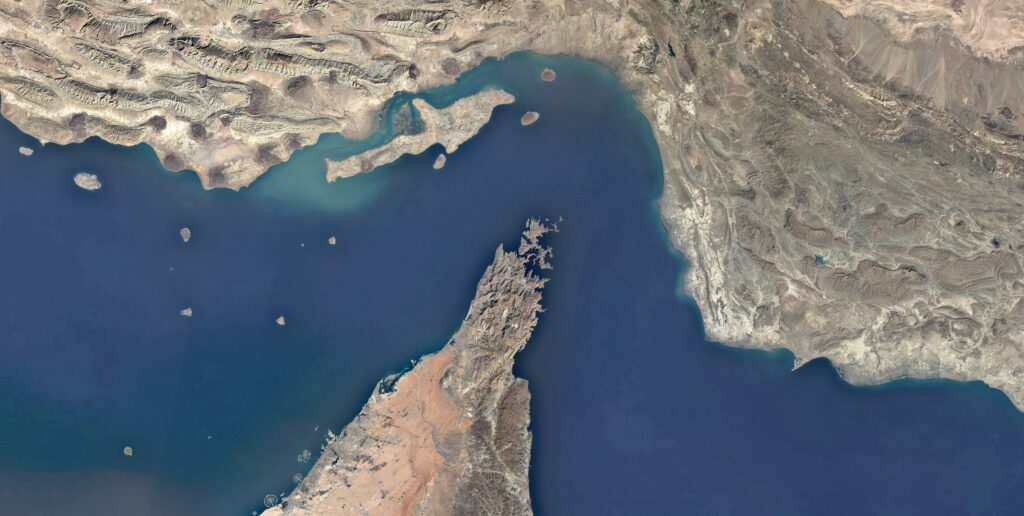
Islamic Revolutionary Guard Corps Closes Strait of Hormuz After US-Israeli Strikes, Triggering De Facto Blockade
Key Takeaways
- Disruption at Hormuz disrupts aluminum supply chains and Middle East shipments.
- Hormuz is a critical global chokepoint for maritime trade.
- Aluminum-related supply chains face disruption, including military-grade aluminum shipments.
Immediate Response
On February 28, 2026 local time, the Islamic Revolutionary Guard Corps (IRGC) announced the immediate closure of the Strait of Hormuz following joint military strikes launched by the United States and Israel against Iran.
This strategic move by Iran's elite military force came as a direct response to the coordinated attack, representing a significant escalation in regional tensions.

The closure of this vital maritime chokepoint, through which approximately 20% of global oil exports pass, immediately disrupted international shipping routes and sent shockwaves through global markets.
The timing of the closure coincided directly with the military strikes, indicating a calculated and immediate reaction by Iranian authorities to the US-Israeli aggression.
Blockade Methods
The IRGC implemented a de facto blockade of the Strait of Hormuz through a combination of sophisticated military tactics and disruptive technologies.
The closure was achieved through naval mines strategically deployed throughout the waterway, coordinated drone harassment operations targeting commercial vessels, GPS signal interference to disrupt navigation systems, and other unspecified measures designed to halt maritime traffic.
These coordinated military actions created an effective blockade that prevented normal shipping operations through one of the world's most critical maritime passages.
The blockade represented a significant demonstration of Iran's asymmetric warfare capabilities, leveraging lower-cost technologies to impose maximum disruption on global shipping lanes.
Global Trade Impact
The immediate economic consequences of the Hormuz blockade were severe and widespread across global trade networks.
Shipping routes passing through the strait faced complete disruption, causing freight rates to soar and creating severe schedule delays for commercial vessels.
This disruption broadly raised cross-border trade fulfillment costs and significantly increased global supply chain risks for multiple industries.
The impact was particularly pronounced in the Middle East region, where trade patterns quickly became strained.
The blockade demonstrated how a single strategic chokepoint could cascade into systemic economic disruption, affecting everything from energy supplies to industrial raw materials and consumer goods.
Industrial Disruptions
The industrial sector, particularly aluminum production, faced significant disruptions due to the Hormuz blockade.
The United Arab Emirates and Bahrain emerged as among the largest global producers of aluminum, with the blockade causing the Aluminum Bahrain smelter to curtail 19% of its annual production capacity of 1.6 million tons.
This reduction represented a substantial loss of output for a critical industrial material that underpins both modern economies and national defense capabilities.
The disruption highlighted the vulnerability of global supply chains for strategic materials and exposed how geopolitical conflicts could directly impact industrial production capabilities.
Military-grade aluminum, in particular, became a focal point of concern due to its critical role in defense manufacturing.
Security Implications
The Hormuz blockade revealed critical vulnerabilities in national security and global supply chain management.
Like oil, aluminum emerged as a foundational industrial commodity that underpins both modern economic activity and defense capabilities.
The disruption served as a stark lesson in how import dependence and global chokepoints imperil national security, forcing policymakers to reconsider strategies for securing critical materials supply chains.
The conflict highlighted the interconnectedness of global markets, where a supply disruption anywhere impacts prices everywhere.
This realization has prompted urgent discussions about diversifying supply sources, developing domestic production capabilities, and creating strategic reserves of critical industrial materials to mitigate future geopolitical risks.
More on Iran

Iranian missiles strike Dimona and Arad, injuring over 100.
47 sources compared
Israel and U.S. Strike Natanz Nuclear Facility Again; Iran Blames Attack
69 sources compared

Iran Attacks Diego Garcia with Long-Range Missiles, Targeting U.S.-UK Base
82 sources compared
Trump Defends Iran War by Citing Pearl Harbor
12 sources compared