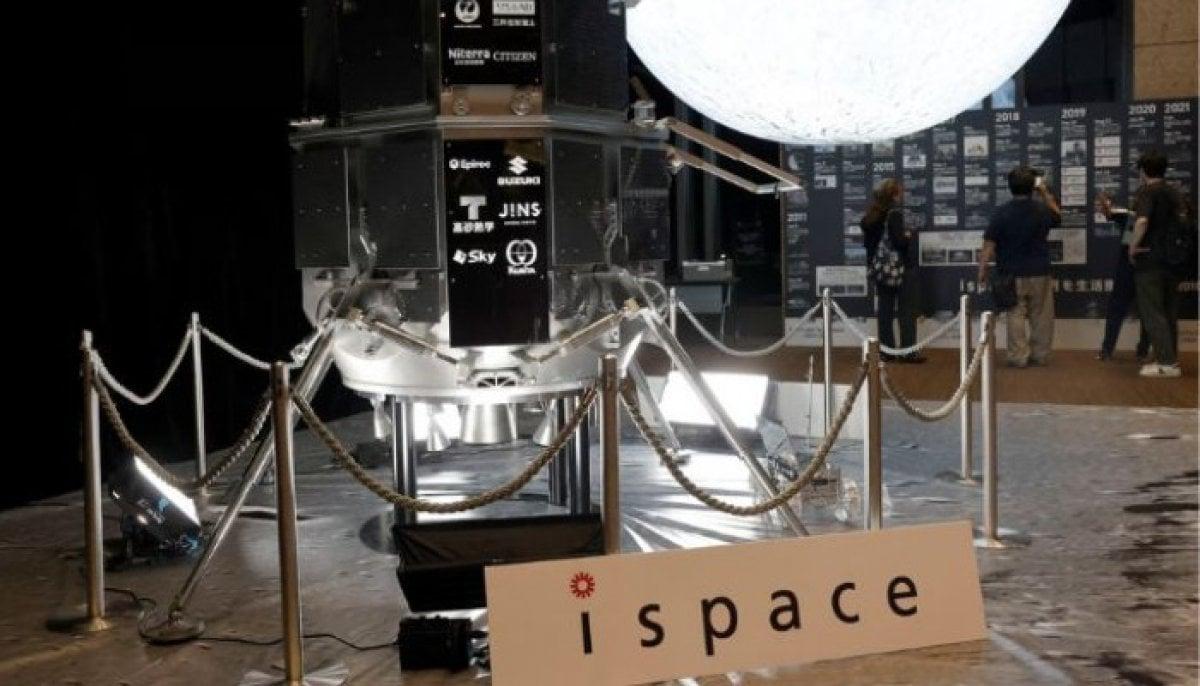
ispace Signs $50 Million Deal With SpaceX Starship for 500 Kilograms Moon Cargo
Key Takeaways
- Ispace partners with SpaceX to carry lunar cargo on Starship.
- Starship-based lunar cargo initiative positions ispace as Moon-cargo logistics intermediary.
- Past Falcon 9 missions contrasted with new Starship plan for lunar cargo.
ispace buys Starship capacity
Japan’s ispace signed a $50 million commercial deal with SpaceX on July 8, giving it 500 kilograms of payload capacity aboard a Starship lunar mission targeting 2030.
“It wasn’t easy to find anyone outside of SpaceX clamoring for a rocket like Starship just 10 years ago”
The announcement came at the Spacetide 2026 conference in Tokyo, where ispace unveiled a new product category it called a "Lunar Access Integrator" service.
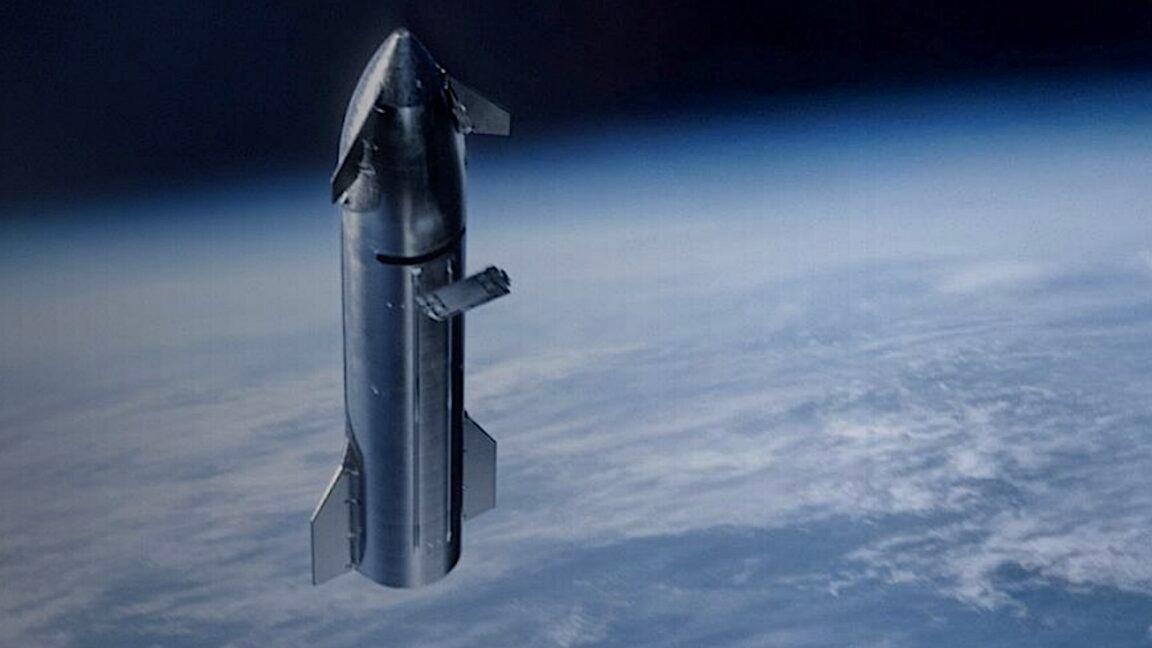
SpaceX Vice President of Commercial Sales Stephanie Bednarek confirmed the deal and said ispace’s integration services provide "a valuable pathway for smaller payloads to secure a ride to the Moon today."
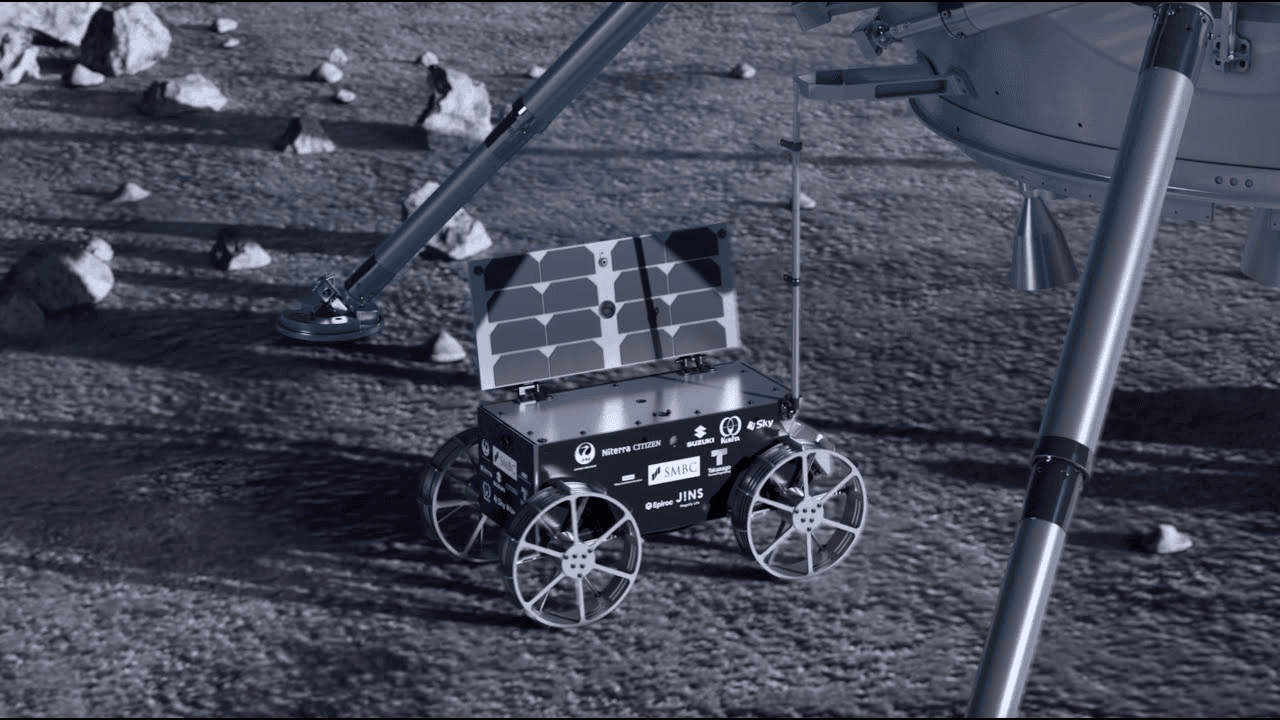
ispace Executive Vice President Hideari Kamiya described the service as a shared "bus" approach, with ispace developing a Mobile Cargo System, or MCS, to move payloads from Starship’s landing site to final destinations.
The deal also positions ispace as a logistics layer between SpaceX’s rocket and customers seeking to send things to the Moon, while ispace’s ULTRA lunar landers are described as dedicated vehicles likened to a "taxi."
Ride-share terms and prior attempts
The News International reported that ispace purchased the 500kg payload capacity for $50 million on a Starship scheduled to land on the moon by 2030, and said the company plans to build a lunar surface vehicle to host payloads from clients globally.
It also said ispace used SpaceX’s Falcon 9 rockets for missions that resulted in failed descents in 2023 and 2025, before the company now aims to soft-land three of its new landers called Ultra onto the moon by 2030.
In that same report, SpaceX endorsed the broadening of its alliance with ispace to fly missions on Starship, and quoted Stephanie Bednarek saying, "Their integration services provide a valuable pathway for smaller payloads to secure a ride to the Moon today."
Ars Technica framed the shift as a change in how payloads dictate launch terms, noting that "Payloads used to dictate the terms of launch. That’s finally changing."
Ars Technica added that Starship is still in an experimental phase, while NASA and the US military are considering novel ways to use Starship to fly to the Moon or transport cargo to far-flung war zones.
What changes for lunar missions
Tech Times said the 500 kilograms ispace purchased includes the mass of the MCS itself, so available customer payload capacity is described as "several hundred kilograms," not the full 500 kg.
“Japan’s ispace partners with SpaceX Starship for moon ride-share missions Ispace used SpaceX’s Falcon 9 rockets for missions that resulted in failed descents in 2023 and 2025 On Wednesday, Japanese moon transport company ispace announced plans to launch a new and lower-cost lunar cargo business using the Starship and the moon lander developed by SpaceX”
It also reported that ispace’s MCS is intended to ferry payloads from the Starship touchdown site to final destinations potentially several kilometers away, creating a post-landing distribution network.
The same source said Starship is designed to land as a complete vehicle and that customers cannot select landing coordinates independently once they book a Starship slot, with the cargo bay not dropping payloads by parachute.
Ars Technica described Starship’s capacity as "more than 100 metric tons (220,000 pounds) to low-Earth orbit," and said the rocket’s volume is drawing interest from scientists eager to launch giant space telescopes.
Ars Technica also noted that competitors are taking notice and that China is looking for its own Starship, while US satellite manufacturers are adapting for the substantial capacity of the world’s most powerful rocket.
More on Technology and Science

OpenAI Sunsets ChatGPT Atlas Browser, Pivots to ChatGPT Desktop App With ChatGPT Work
13 sources compared
FTC And Five States Reach 10-Year Right-To-Repair Settlement With Deere & Company
10 sources compared

Microsoft Fixes 165 Vulnerabilities, Including Exploited SharePoint Zero-Day CVE-2026-32201
13 sources compared

Meta Disables Ray-Ban Meta Camera After Users Tamper With Capture LED
18 sources compared