Gaza Genocide10 October, 20253 min read
Israel Agrees to Ceasefire Allowing Limited Humanitarian Aid Into Gaza
This article is an automated aggregation of coverage from news outlets. Our editorials offer in-depth analysis curated by the NewsCord team.
Israel and Hamas agreed to a ceasefire ending a two-year genocide in Gaza. The ceasefire includes Hamas releasing 48 hostages and Israel freeing about 2,000 Palestinian prisoners.
93 outlets told this the same way.
Ceasefire and Humanitarian Plan
Israel agreed to a ceasefire that begins a phased pullback of troops and opens Gaza to constrained humanitarian aid and a tightly sequenced hostage–prisoner exchange. Western mainstream outlets report Israel will keep control over roughly half of Gaza to pressure Hamas to disarm, even as some forces withdraw to pre-agreed lines within the first phase of a U.S.-backed 20-point plan. Multiple sources state Hamas is required to release hostages within 72 hours, while Israel will free roughly 2,000 Palestinian prisoners and detainees.
“The ceasefire has prompted Israeli troop withdrawals from parts of Gaza... Israeli forces will retain control over half of Gaza... Hamas will release 20 Israeli hostages within 72 hours, after which Israel will free 250 long-term Palestinian prisoners and 1,700 others.”
Across these reports, Israel’s bombing and ground operations are described as having killed more than 67,000 Palestinians, with West Asian and humanitarian sources stressing that the dead are mostly civilians, including women and children. The U.S. is deploying about 200 troops to support ceasefire logistics and monitoring, while aid flows resume under international oversight.

Humanitarian Crisis and Aid in Gaza
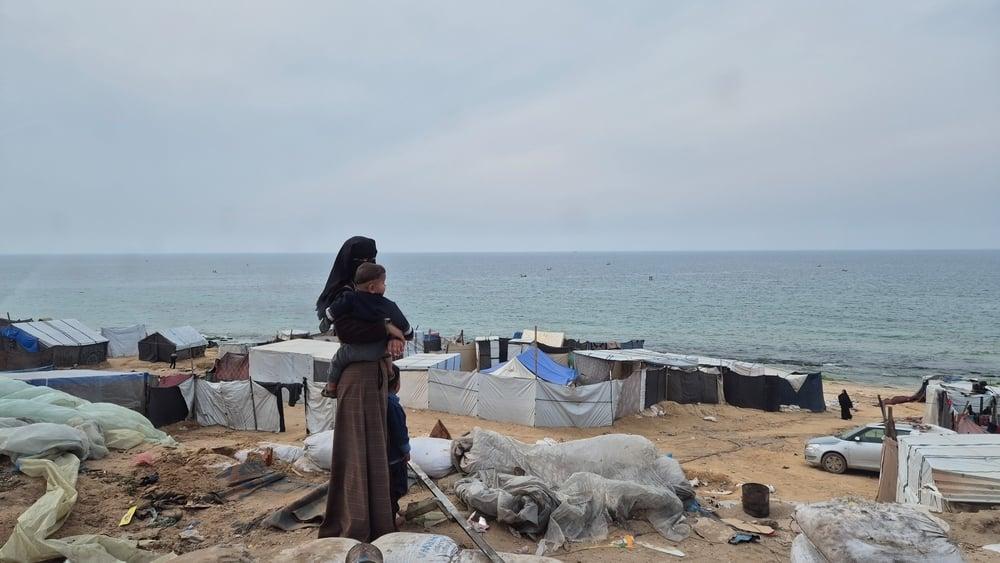
Aid agencies and media describe the humanitarian access as limited relative to needs, even as deliveries scale up. The Disasters Emergency Committee says famine is officially confirmed in Gaza City and surrounding areas and warns that aid access must be sustained at scale. Médicos Sin Fronteras demands unrestricted humanitarian access, condemns the use of hunger as a weapon, and urges medical evacuations and supplies.
NBC News reports about 600 trucks a day and notes UN warnings that aid alone cannot resolve Gaza’s catastrophe. The Telegraph says Rafah will reopen under EU monitoring, while Sky News underscores severe famine and child malnutrition. These perspectives converge that Israel’s siege and bombardment devastated Gaza’s food, health, and water systems, and that the ceasefire only partially loosens a chokehold on aid.

Hostage Releases and Prisoner Exchanges
Accounts differ on the exact details and timing of hostage releases and prisoner swaps. CBC reports that a group will release 20 Israeli hostages within 72 hours, prompting Israel to free 250 long-term prisoners and 1,700 detainees. The Guardian and ITVX state that about 48 hostages will be released in total, with Israel freeing approximately 2,000 prisoners.
“Hamas will release 20 Israeli hostages within 72 hours, after which Israel will free 250 long-term Palestinian prisoners and 1,700 others.”
AL-Monitor specifies that all 48 hostages will be released within 72 hours, with 20 confirmed alive and international teams assigned to recover bodies. The Times and Anadolu report that 20 living hostages and 28 bodies—totaling 48—will be released, which aligns with WTOP's count of about 20 believed alive. The Globe and Mail agrees on the 20 alive figure but lists 26 presumed dead and two unknown, indicating that casualty numbers are still being updated.
Gaza Security and Control Plans
Security control remains contested. CBC and RTE.ie report Israel will keep control over half of Gaza to force the militant group to disarm, even as troops withdraw from urban centers. PBS outlines an international force—mainly Arab and Muslim countries—overseeing security inside Gaza with the U.S. contributing about 200 troops, while Israel maintains a military presence along Gaza’s border.
The Guardian and The Straits Times echo partial Israeli withdrawal with Israeli forces still holding about 53% of the territory. Haaretz reports Netanyahu opposes a future Palestinian state and vows to demilitarize Gaza by force if necessary, signaling that Israel plans to keep coercive leverage even under a ceasefire. These plans leave Gaza’s governance unresolved, with sources noting Netanyahu’s rejection of Palestinian Authority involvement and debates over an international stabilization force.

Ceasefire and Gaza Crisis
Multiple outlets explicitly tie the ceasefire to an Israeli campaign that killed over 67,000 Palestinians and devastated Gaza. West Asian and humanitarian sources describe mass civilian death and famine. Western outlets report that the UN has accused Israel of genocide.
“Since October 2023, Israeli attacks have killed nearly 67,200 Palestinians, mostly women and children.”
Anadolu Ajansı states Israeli attacks killed nearly 67,200 Palestinians, mostly women and children. NPR and Houston Public Media report the UN genocide accusation, which Israel rejects. PBS notes that allegations of genocide have been raised.
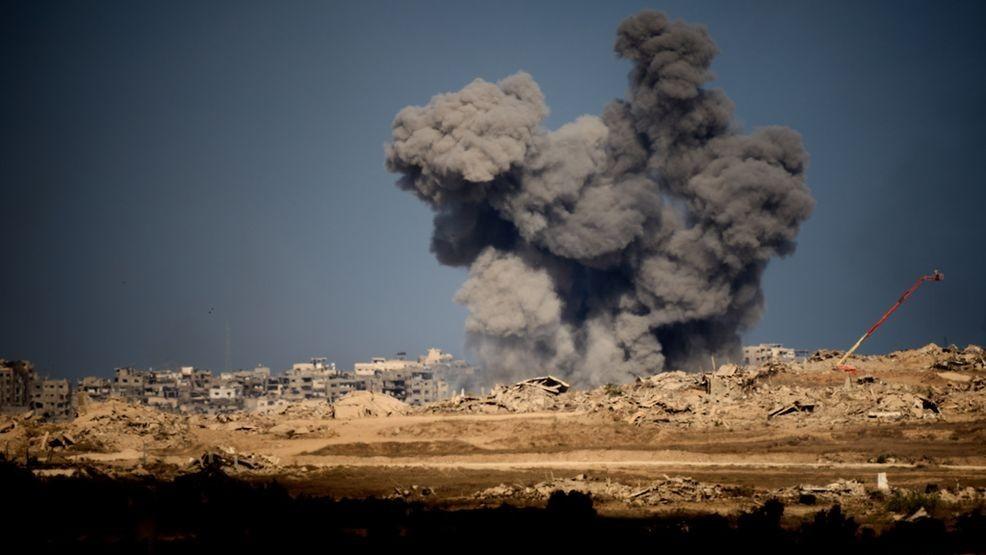
DEC and MSF warn of confirmed famine and condemn the weaponization of hunger. Local Western and alternative outlets add context: Peeblesshire News reports mass displacement and continued body recovery amid rubble. Middle East Eye describes widespread destruction and return movements under a U.S.-led truce.
Together, these sources depict a ceasefire that only partly eases Israel’s siege after a campaign many describe as genocidal. Governance, disarmament, and accountability remain unresolved.