
Abbas Araqchi Says US-Iran Deal Ends War on All Fronts, Including Lebanon
Key Takeaways
- Iran-US deal ends war on all fronts, including Lebanon.
- Lebanon is included in the Iran-US deal.
- Attacks between Israel and Iran have paused amid talks.
Lebanon in the deal
Iran’s foreign minister Abbas Araqchi said an end to war on all fronts includes Lebanon as part of a US-Iran arrangement, with Reuters reporting that “end of war on all fronts includes Lebanon but Tehran won’t give up nuclear programme.”
Araqchi told Iranian state media that nuclear talks with the US would only take place at a later stage, and that the talks would not proceed until the proposed interim agreement is implemented.
The Guardian reported that Israel’s defence minister Israel Katz posted on X that Israel would not withdraw from security zones in Lebanon, Syria or Gaza, even as Araqchi linked Lebanon to the deal’s end-of-war language.
In parallel, the Al-Monitor report said a draft circulating in Iranian state media would include “a permanent and immediate ceasefire on all fronts, including Lebanon,” while limiting final talks to nuclear issues and excluding its missile program and proxies.
Hezbollah also framed Lebanon as part of any wider settlement, with Hassan Fadlallah telling al-Manar TV that the Islamic Republic would insist on “any agreement including the file of Lebanon.”
Conflicting signals
While Trump said the US and Iran were on the verge of a peace agreement, multiple outlets described Tehran’s position as not yet finalized, with the BBC noting that Tehran had not given a final answer to Trump’s claim.
Ynetnews said Trump told reporters that he understood Iranian Supreme Leader Mojtaba Khamenei had approved an agreement, but it also reported that “Tehran has yet to confirm any agreement.”

The Guardian added that Araqchi said the agreement with the US includes ending the war in Lebanon, meaning Israel’s withdrawal from occupied areas, while Israel Katz said Israel would not withdraw from security zones in Lebanon, Syria or Gaza.
In Lebanon, the Hezbollah-affiliated newspaper Al-Akhbar presented the understanding as “the end of the war in Lebanon,” claiming Iran had received a final US answer that Lebanon was included and that Trump had spoken three times with Prime Minister Benjamin Netanyahu about Lebanon.
Israeli officials and media also reacted to Trump’s statements, with Axios reporting that Israel was “stunned and asked for clarifications from the White House” over the Lebanon truce framing.
What’s at stake next
The draft terms described by Al-Monitor tied Lebanon ceasefire expectations to broader sequencing, including “Release of $24 billion in blocked Iranian funds during the 60-day period of final negotiations,” with half available before nuclear talks begin.
Al-Monitor also said the draft would include a US commitment to non-interference and respect for sovereignty, alongside a US commitment to withdraw its forces from around Iran, and a reopening of the Strait of Hormuz within 30 days with “Iranian arrangements.”
In Lebanon’s political debate, Hassan Fadlallah said Iran’s insistence on including Lebanon’s file “does not mean it intends to replace the Lebanese government,” but rather that it wants the Lebanese government to make use of the agreement.
Naharnet reported that the US confirmed Lebanon is included in Trump’s deal with Iran, and that Trump’s messaging to Israel emphasized that ending the war requires more than a simple ceasefire and must include “a total halt to military actions, an end to demolitions, a prisoner release.”
The Guardian’s account of Israel Katz’s position underscored the immediate friction point for any Lebanon-linked end to hostilities, because Katz posted that Israel would not withdraw from security zones in Lebanon, Syria or Gaza even as Lebanon was described as part of the deal’s end-of-war language.
More on Lebanon
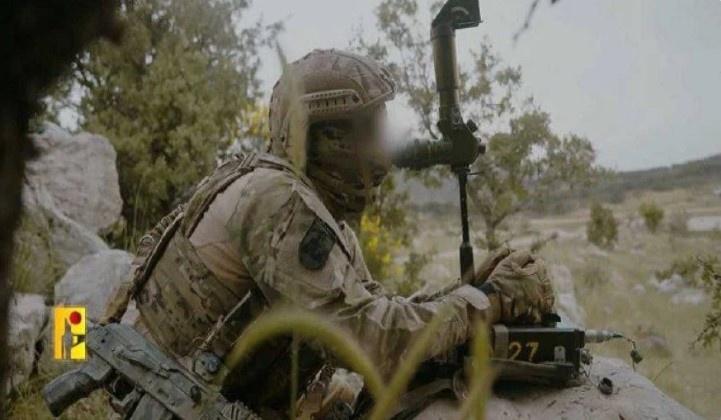
Hezbollah Drone Attack Kills One Israeli Soldier Near Nimr Al-Jamal, Wounds Six
14 sources compared

Iran’s Abbas Araqchi Says Ceasefire With U.S. Includes Lebanon, Nuclear Talks Later
28 sources compared

Israeli Strikes On Tyre Kill Five, Wound Eight; Army Orders Evacuation Of Zakouk El-Mefdi
14 sources compared
Gunman In Military Uniform Killed After Firing On Israeli Troops At Lebanon Border
13 sources compared