Lebanon14 April, 20261 min read
Israel And Lebanon Hold First Direct Talks In Washington Amid Hezbollah Opposition
This article is an automated aggregation of coverage from news outlets. Our editorials offer in-depth analysis curated by the NewsCord team.
Israel and Lebanon hold direct talks in Washington, overseen by the United States. First direct diplomatic talks in decades between the two states.
Historic Talks
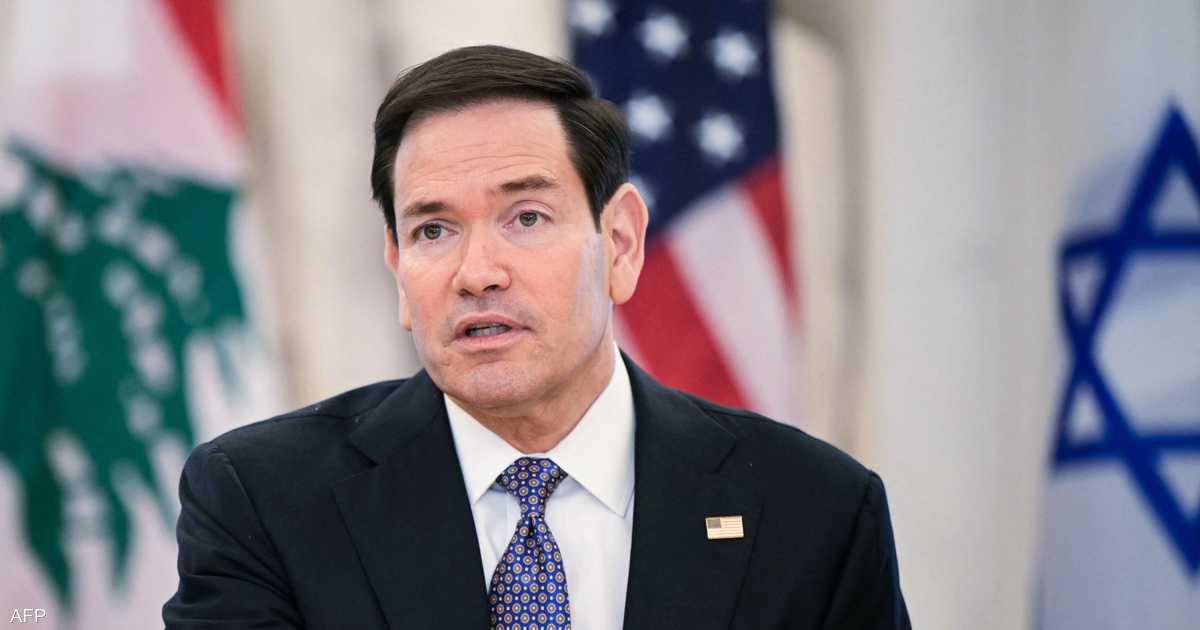
Lebanon and Israel held their first direct diplomatic talks in more than 30 years on April 14, 2026. The meeting brought together Israel's ambassador and Lebanon's ambassador under the supervision of Secretary of State Marco Rubio. The talks were described as preparatory and meant to lay out a framework for future negotiations.
Rubio framed the talks as a historic opportunity to bring a permanent end to Hezbollah influence. The talks came after six weeks of fighting that killed more than 2,000 people in Lebanon and displaced over one million.

Hezbollah opposed the talks and was not represented. Israeli airstrikes continued during the talks.
Divergent Objectives
Lebanon sought a commitment to a ceasefire, while Israel insisted Lebanon disarm Hezbollah first. Netanyahu and Katz had joined invading troops inside Lebanon the weekend before. Aoun expressed hope the talks would mark the beginning of the end of suffering.
He stressed stability would not return unless Israel withdraws and the Lebanese army becomes the sole responsible force. Hezbollah's leader Naim Qassem called the talks futile.

Hezbollah's Role
Hezbollah was not a party to the talks and openly opposed them. The group operates largely independently of the Lebanese government and receives funding from Iran. Hezbollah enjoys wide influence in Beirut's southern suburbs and large swaths of the country.
Hezbollah-allied politicians hold two Cabinet minister positions. The group's ties have soured with Lebanon's top political authorities. Wafiq Safa said the group would not abide by any agreements made during the talks.
Skepticism and Stakes
Expectations for the talks were low in Beirut. The talks took place amid ongoing Israeli military operations. More than 2,100 people had been killed in Lebanon.
The Israeli military had invaded southern Lebanon. Israel's defense minister said people would not be allowed to return home until demilitarization. The talks represented a foundational step toward a new phase.
