Syria05 January, 20262 min read
Israel and Syria Resume U.S.-Mediated Paris Talks to Reactivate 1974 Disengagement Agreement
U.S. envoy Tom Barrack is mediating two-day Israel–Syria talks in Paris Negotiations aim to reactivate the 1974 Disengagement Agreement and restore pre‑Dec 8, 2024 Israeli lines
17 outlets told this the same way.
Outlets did split on France Suspends Police Stun Grenades at High School Protests After 15-Year-Old Loses Hand →
Israel-Syria Paris Talks
Senior Israeli and Syrian officials resumed U.S.-mediated talks in Paris at a two-day meeting. Multiple outlets described the gathering as the fifth round of negotiations aimed at reactivating the 1974 Israel–Syria Disengagement Agreement. Syrian state media and several reports named Foreign Minister Asaad al-Shaibani as leading the Damascus delegation and indicated U.S. envoy Tom Barrack was involved.
“Senior Syrian and Israeli officials will meet in Paris for a two-day, fifth round of talks aimed at a border security agreement...”
Israeli sources said a new Israeli team was led by Ambassador Yechiel Leiter and included military and national security advisers. The meetings were framed as exploratory and marked the first high-level contacts in weeks or months, with allied partners such as France receiving Syrian officials in Paris during the talks.

Reactivating 1974 Agreement
All sides framed the immediate objective as reactivating the 1974 Disengagement Agreement.
Syrian and allied reports say Damascus seeks Israeli withdrawal to the lines held before Dec. 8, 2024, under arrangements that emphasize Syrian sovereignty and bar outside interference.

Syrian state descriptions call the talks a firm step to reclaim "non-negotiable national rights."
Israeli and some Western reports portray the negotiations as focused on stabilizing security along the frontier and managing tensions rather than full diplomatic normalization.
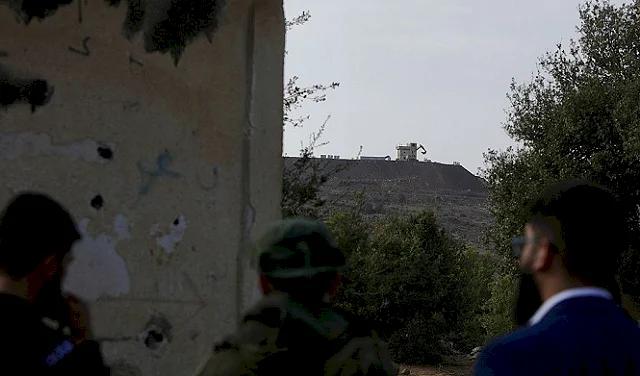
Security reporting on Golan
Reporting stresses a tense operational backdrop, with Al Jazeera and several regional outlets documenting repeated Israeli incursions, strikes and an advance into the UN buffer zone since the fall of Assad, and noting sustained military activity and civilian impact; Al Jazeera cites ACLED's tally of more than 600 Israeli attacks over the past year.
“Air, drone and artillery strikes have continued against Syrian army sites and civilians; ACLED counts more than 600 Israeli attacks in the past year (about two per day).”
Other outlets place more emphasis on diplomatic channels and restraint, but all note the talks come amid recent security flare-ups on the Golan-Quneitra frontier.
Negotiations and domestic concerns
Political friction and domestic sensitivities shape positions on both sides. Israeli coverage emphasizes Prime Minister Benjamin Netanyahu's insistence that any agreement must safeguard Israel's security and protect minorities such as the Druze. Reports note the replacement of negotiators after Ron Dermer's resignation.
Syrian and regional outlets emphasize Damascus's demand for guarantees of sovereignty and non-interference. They describe the negotiations as a step to reclaim national rights. Several reports also underline that large gaps remain and that the talks are exploratory rather than immediately transformative.

Golan diplomatic talks
Outlets differ on the talks' immediate prospects but converge that U.S. involvement and other international actors matter. Some sources say the meetings could open a path toward diplomatic normalization if security concerns are resolved. Others call them limited confidence‑building steps unlikely to produce a final accord quickly.
“President Trump, who urged Prime Minister Netanyahu at Mar‑a‑Lago to resume talks, said he was optimistic and has Tom Barrack as a U.S. mediator...”
Reports note U.S. pressure and direct mediation, citing President Trump urging resumption and Tom Barrack's expected mediation. French diplomacy has received Syrian officials in Paris, underscoring an international push to stabilize the Golan frontier even as major obstacles persist.
