Israel and U.S. War on Iran Disrupts Hormuz, Upends Global Energy Markets
Key Takeaways
- Israel-U.S. war on Iran closes Hormuz, triggering energy-market uncertainty.
- Asia's major energy importers, especially China and India, face immediate supply disruption and higher costs.
- The crisis could boost Russia's role in Asia's energy markets, altering supply dynamics.
Global Energy Crisis
The Israel-U.S. war on Iran and the effective closure of the Strait of Hormuz have injected a new level of uncertainty into global energy markets.
“Recent Features Subscribe for ads-free reading”
The strategic waterway's closure represents a major geopolitical crisis that has immediately threatened energy supplies for Asia's major importers.
This conflict has fundamentally altered global energy trade patterns, forcing countries to reassess their energy security strategies.
The disruption has created complex market dynamics for producers and consumers worldwide.
Asian Importers' Crisis
For Asia's major energy importers, particularly China and India, the Hormuz crisis represents an immediate and severe threat.
The disruption to crude and liquefied natural gas flows from the Middle East has pushed energy prices higher.
“Recent Features Subscribe for ads-free reading”
These Asian nations rely heavily on Middle Eastern energy supplies and face difficult choices in diversifying import sources.
Higher energy costs could undermine their competitive economic positions globally.
Russia's Strategic Opportunity
Russia has identified the Hormuz crisis as an opportunity to accelerate its pivot toward Asian energy markets.
“Recent Features Subscribe for ads-free reading”
The crisis could deepen Russia's role as a core hydrocarbon supplier to the region.
Russia faces structural challenges including depleting fields in Western Siberia and sanctions constraints.
Limited export infrastructure connecting Russia to Asian markets remains a significant hurdle.
The instability around Hormuz could make Russian energy more attractive and help finance needed infrastructure investments.
Russia's Pre-Crisis Struggles
Russia's energy sector was already under significant pressure before the Hormuz crisis erupted.
Western sanctions, Ukrainian attacks, and low oil prices have eroded exports and state revenues since February 2022.
“Recent Features Subscribe for ads-free reading”
Washington imposed its toughest energy sanctions in early 2025, hitting major producers and infrastructure.
The EU's phased ban on Russian gas imports, aiming for a halt by end of 2027, further compounds Russia's challenges.
Global markets are reconfiguring in response to the Hormuz crisis, creating additional complexities.
Declining Russian Exports
Russia's seaborne oil exports have dropped from 4.3 million barrels per day in 2025 to 2.8 million in February 2026.
“Recent Features Subscribe for ads-free reading”
This decline reflects both Western sanctions' effectiveness and shifting purchasing patterns by Asian importers.
India has cut Russian crude purchases under U.S. pressure and turned to alternative suppliers.
The Hormuz crisis intersects with existing geopolitical tensions to reshape global energy flows.
Nations are scrambling to secure alternative energy supplies amid heightened market uncertainty.
More on Asia

Drone strike at Dubai International Airport shuts down flights; attacker unconfirmed.
50 sources compared
Iran Strikes Italian Military Base in Erbil, Forcing Troops Into Bunkers
28 sources compared
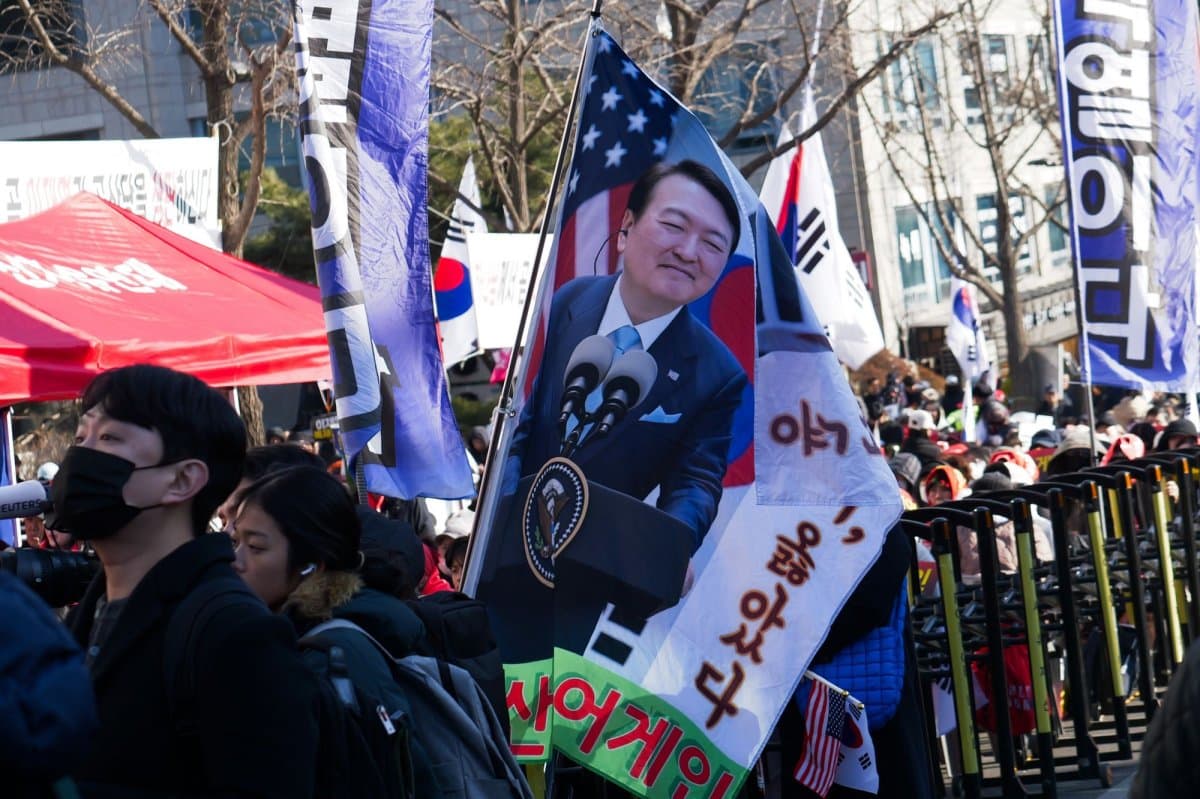
Former South Korean president Yoon Suk-yeol appeals life sentence for leading insurrection
14 sources compared

Diet Re-elects Sanae Takaichi as Prime Minister of Japan After LDP Landslide
14 sources compared