
Israel Kills Iran's Intelligence Minister Esmail Khatib
Key Takeaways
- Israel says Iranian Intelligence Minister Esmail Khatib killed in Tehran overnight strike.
- Third Iranian official killed in two days, after Ali Larijani and Basij head Soleimani.
- Tehran has not commented on or confirmed the strike.
Khatib Assassination
Israel's Defense Minister Israel Katz announced on Wednesday that the Israeli military killed Iranian Intelligence Minister Esmail Khatib in an overnight strike in Tehran, marking the third senior Iranian official eliminated in two days.
“Israel says Iran's intelligence minister killed in overnight strike Israeli Defense Minister Israel Katz on Wednesday said that Iranian Intelligence Minister Esmaeil Khatib was killed in an overnight Israeli strike in Tehran, according to a statement issued by Katz's office”
Katz stated that Khatib was "eliminated" during an operation that followed the killings of Iran's top security official Ali Larijani and the head of the Revolutionary Guard's Basij force the previous day.

"On this day, significant surprises are expected throughout this day on all fronts," Katz warned during a security assessment, as Israeli officials authorized military operations to continue against senior Iranian targets without additional approval.
Iran has yet to confirm Khatib's death, though Israeli outlets reported indications he was killed in the Tehran strike.
The killing comes amid escalating violence across the region as the conflict between Israel, the U.S. and Iran shows no signs of abating.
Khatib Background
Esmail Khatib, who served as Iran's intelligence minister since August 2021, was a close confidant of the late Supreme Leader Ayatollah Ali Khamenei and played a significant role in Iran's security apparatus.
According to U.S. Treasury sanctions from 2022, Khatib directed several networks of cyber threat actors involved in cyber espionage and ransomware attacks against the United States and its allies.

The Treasury described him as overseeing "serious human rights abuses" including crackdowns on human rights defenders, women-rights activists, journalists, filmmakers, and religious minority groups.
Khatib, a Shiite cleric who served in the Revolutionary Guard during the Iran-Iraq war in the 1980s, also claimed in June 2025 that Iran had seized documents from Israel's nuclear program, specifically targeting what was likely Israel's Soreq Nuclear Research Center near Tel Aviv.
His reported death represents a significant blow to Iran's intelligence capabilities as the country faces direct attacks from Israeli and U.S. forces.
Israeli Strategy
Israel's targeted killing of Khatib reflects a broader strategy to systematically dismantle Iran's leadership structure through decapitation strikes, according to senior Israeli military officials.
“Defence Minister Israel Katz says Israel has killed Iran’s intelligence minister, Esmaeil Khatib”
"The regime has been affected with a force six to 10 times greater than in operation Rising Lion," one Israeli intelligence official told CNN, referring to the 12-day war on Iran in June 2025.
"They are struggling to form policy, make decisions and issue orders between military and political levels. We see chaos, and the situation is expected to worsen soon."
The Israeli military described Khatib as having "advanced intelligence capabilities" and conducting operations worldwide, including those against Israel, noting he "played a significant role during the recent protests throughout Iran, both with regards to the arrest and killing of protestors as well as shaping the regime's intelligence assessment."
Following these targeted killings, Netanyahu and Katz streamlined the process for authorizing additional strikes on Iranian leadership, with Katz declaring "Israel's policy is clear and unequivocal: no one in Iran has immunity, and everyone is a target."
Iranian Response
Iran responded to the killings with immediate attacks on Israel and regional infrastructure, as Iranian Foreign Minister Abbas Araghchi blamed the United States for starting the war and bearing responsibility for all its consequences.
"We did not limit ourselves to the official bases of the enemies. Wherever American forces were gathered, wherever their facilities were, they were targeted," Araghchi told Al Jazeera, while maintaining that Iran "exclusively targets military bases" and not civilian sites.
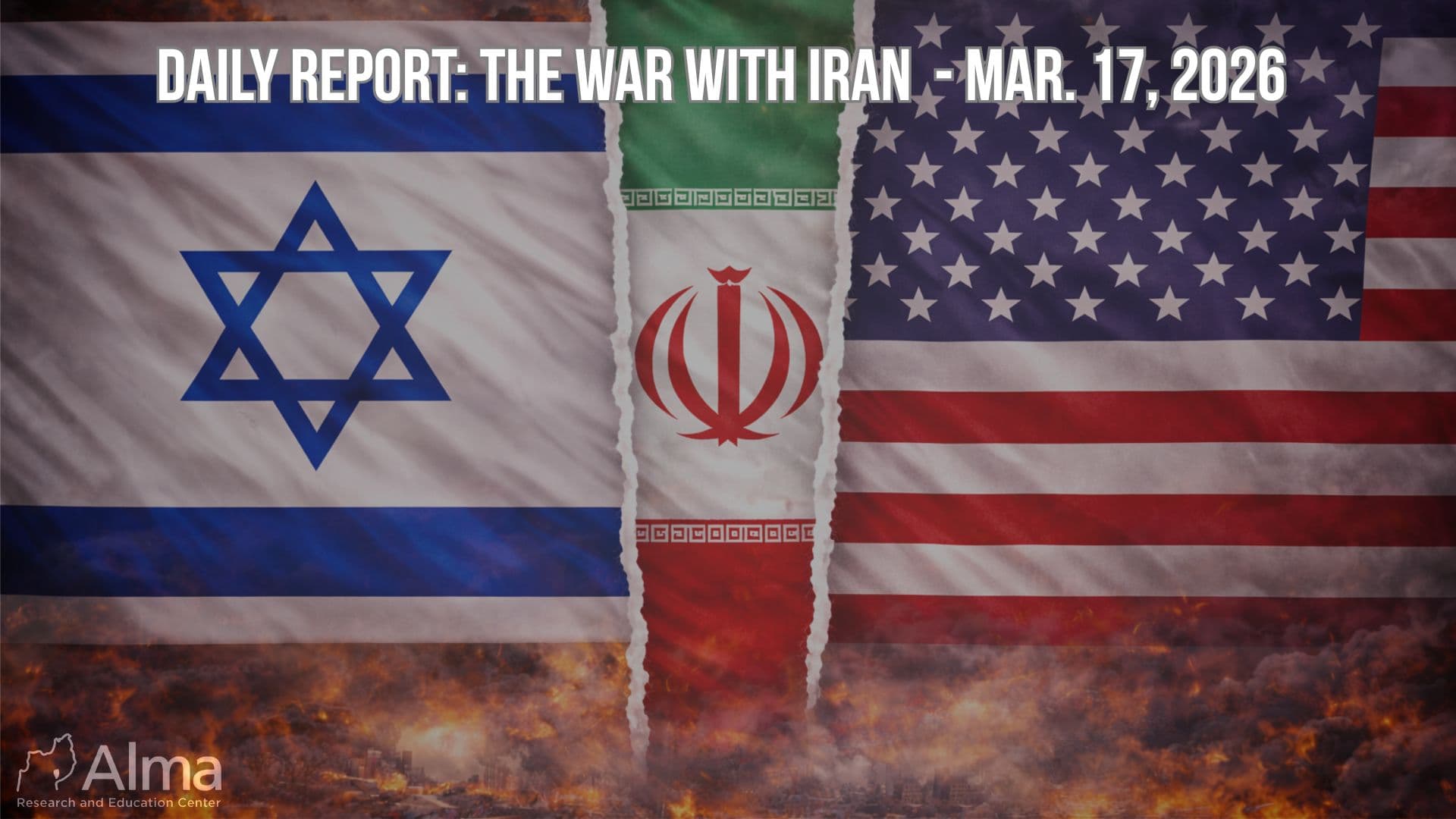
Iran launched fresh attacks on Israel on Wednesday, vowing revenge for the killing of its leaders, with Iranian military spokesperson Amir Akraminia stating they are using weapons "not used before" in the conflict.
The attacks included ballistic missiles that killed two people near Tel Aviv, where emergency services found debris on residential streets and vehicles set ablaze.
Meanwhile, Iran intensified its blockade of the Strait of Hormuz, allowing only a "small but growing number" of commercial ships through the vital shipping lane that normally handles a fifth of the world's oil trade, sending oil prices soaring.
International Reactions
The international community reacted with concern to the escalating violence, with German Foreign Minister Johann Wadephul stating that regime change in Iran is "desirable" but must come from within.
“ANI |Updated:Mar 18, 2026 08:10 IST Tehran [Iran], March 18 (ANI): Senior Iranian figures have paid high-level tributes following the death of the nation's top security official, Ali Larijani, who was killed during a military strike carried out by the Israeli and US forces, according to state broadcaster Press TV”
Russia condemned the killings of senior Iranian officials, with Kremlin spokesman Dmitry Peskov declaring: "We certainly condemn actions aimed at causing harm to the health, or even more so, the murder and liquidation of representatives of the leadership of sovereign Iran."

Meanwhile, Saudi Arabia hosted a consultative meeting of foreign ministers from Arab and Islamic countries to discuss regional security as the war shows no sign of abating.
In the Gulf region, Saudi forces shot down drones approaching the diplomatic quarter in Riyadh, which houses the U.S. embassy and other foreign missions, while Qatar blamed Israel for a "dangerous and irresponsible" attack on an Iran gas facility.
The international community remains concerned about the potential for further escalation as both sides continue to exchange strikes across the region.
Conflict Context
The killing of Khatib represents a significant escalation in the broader conflict that began when Israel and the U.S. attacked Iran on February 28, following the death of Supreme Leader Ayatollah Ali Khamenei in an Israeli strike.
Since the start of the war, Iran has launched 257 waves of attacks against Israel, with 38.5% targeting the Tel Aviv metropolitan area, according to data from the Alma Research and Education Center.
The conflict has had severe economic consequences, with Brent crude oil prices rising more than 40% since the start of the war, exceeding $100 per barrel in early trading.
This has led to gas prices in the U.S. exceeding $5 per gallon on average, prompting the Trump administration to lift restrictions on Russian oil and release 172 million barrels from the U.S. strategic oil reserve.
Meanwhile, Hezbollah has continued attacks on Israel, with 37 waves identified on March 16 alone, predominantly targeting settlements along the border and the Galilee region.
The ongoing violence has displaced more than 1 million people in Lebanon, according to French envoy Jean-Yves Le Drian, who criticized Israel's "disproportionate" response.
More on Iran

Israel Kills Iran's Intelligence Minister Esmaeil Khatib in Tehran Strike
36 sources compared

Trump Seeks Japan's Military Aid for the Middle East
14 sources compared

Israel Kills Iran's SNSC Secretary Ali Larijani in Overnight Strike
34 sources compared
Joe Kent Resigns as NCTC Director Over Iran War
48 sources compared